
Art print Hedvig Elisabet Paulin 1716-1806 - Johan Henrik Scheffel


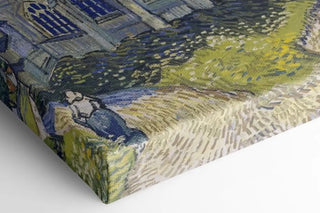
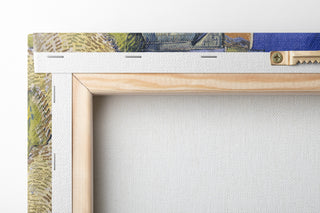
View from behind
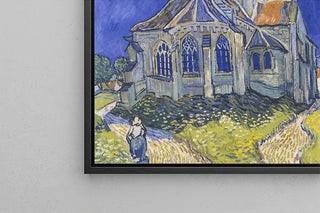
Frame (optional)
In the vibrant universe of art, some works stand out for their ability to capture the very essence of an era. The art print Hedvig Elisabet Paulin 1716-1806 - Johan Henrik Scheffel is a perfect example. This portrait, which transcends the simple frame of painting to become a window into the 18th century, evokes not only the beauty of a woman but also the subtleties of a society in full transformation. Through the artist's gaze, the viewer is invited to delve into a world where delicacy and sophistication blend with social and political concerns. This piece, crafted with finesse, embodies a period of transition where art becomes the reflection of human aspirations and emotions.
Style and uniqueness of the work
Johan Henrik Scheffel's style is characterized by meticulous attention to detail and skillful use of light. In the portrait of Hedvig Elisabet Paulin, every brushstroke seems to tell a story, and every shadow and color is carefully chosen to emphasize the psychological depth of the subject. The artist manages to convey not only the physical beauty of his model but also a certain introspection, a melancholy that seems to emanate from her gaze. The garments, richly decorated, reflect the social status of the woman while revealing the fashion trends of her time. The drapery is painted with such virtuosity that it almost feels tangible, adding a tactile dimension to the work. Thus, the portrait transforms into a true living tableau, where the personality of the depicted figure emerges with strength and subtlety.
The artist and his influence
Johan Henrik Scheffel, though less known than some of his contemporaries, managed to leave his mark on his era through his artistic sensitivity and innovative approach. Trained in classical traditions, he reinterpreted them in his own way, incorporating elements of the emerging Romanticism that was rising in Europe. His work is often seen as a bridge between styles, a crossroads where classical rigor and Romantic passion meet. Scheffel influenced many artists of his time, demonstrating how painting could be a means of
Art print Hedvig Elisabet Paulin 1716-1806 - Johan Henrik Scheffel

-10% FROM €95 IN PURCHASES
-15% FROM €195 IN PURCHASES
Regular price
- Unit price
- per
Tax included.
Free shipping
€4.90 / Free shipping on orders over €39
Satisfied or Money Back
Free returns within 30 days
10-year warranty
Our prints are guaranteed for 10 years
Any questions? We are here!
by email to contact@artemlegrand.com
THE STEPS OF YOUR ORDER
STEP 1 - ORDER PLACED
Your order has been confirmed and we are starting production
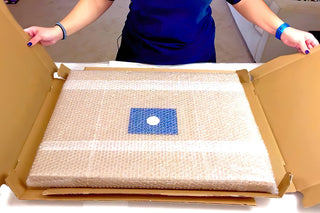
STEP 2 - SHIPPING
We ship your order. We send you an email to track the progress

STEP 3 - DELIVERY
You receive your order. You can also, according to your choice, be delivered to a relay point.
Matte finish
View from behind
Frame (optional)
In the vibrant universe of art, some works stand out for their ability to capture the very essence of an era. The art print Hedvig Elisabet Paulin 1716-1806 - Johan Henrik Scheffel is a perfect example. This portrait, which transcends the simple frame of painting to become a window into the 18th century, evokes not only the beauty of a woman but also the subtleties of a society in full transformation. Through the artist's gaze, the viewer is invited to delve into a world where delicacy and sophistication blend with social and political concerns. This piece, crafted with finesse, embodies a period of transition where art becomes the reflection of human aspirations and emotions.
Style and uniqueness of the work
Johan Henrik Scheffel's style is characterized by meticulous attention to detail and skillful use of light. In the portrait of Hedvig Elisabet Paulin, every brushstroke seems to tell a story, and every shadow and color is carefully chosen to emphasize the psychological depth of the subject. The artist manages to convey not only the physical beauty of his model but also a certain introspection, a melancholy that seems to emanate from her gaze. The garments, richly decorated, reflect the social status of the woman while revealing the fashion trends of her time. The drapery is painted with such virtuosity that it almost feels tangible, adding a tactile dimension to the work. Thus, the portrait transforms into a true living tableau, where the personality of the depicted figure emerges with strength and subtlety.
The artist and his influence
Johan Henrik Scheffel, though less known than some of his contemporaries, managed to leave his mark on his era through his artistic sensitivity and innovative approach. Trained in classical traditions, he reinterpreted them in his own way, incorporating elements of the emerging Romanticism that was rising in Europe. His work is often seen as a bridge between styles, a crossroads where classical rigor and Romantic passion meet. Scheffel influenced many artists of his time, demonstrating how painting could be a means of
12,34 €