
Painting Head of a Black Man - Govert Flinck


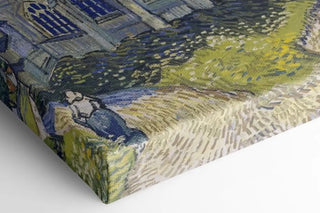
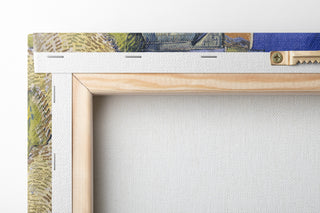
View from behind
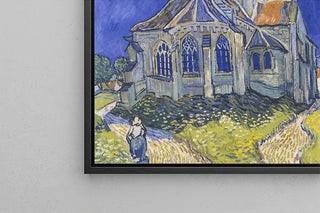
Frame (optional)
Captivating Introduction to the Art print Head of a Black Man - Govert Flinck
The "Head of a Black Man" by Govert Flinck is a work that transcends a simple portrait to become a profound exploration of identity and the human condition. Created in the 17th century, this piece showcases the technical skill and artistic sensitivity of its creator, while also reflecting a rich historical context. Flinck, a pupil of Rembrandt, masterfully captures not only the physical features of his subject but also an emotional essence that invites the viewer to introspection. Through this art print, the work becomes a bearer of history, culture, and timeless beauty.
Style and uniqueness of the work
Flinck's style is distinguished by his masterful use of light and shadow, a legacy of chiaroscuro techniques. In "Head of a Black Man," light gently caresses the face of the subject, highlighting the nuances of his skin and the details of his features. Every shadow and reflection is carefully studied, creating a depth that seems almost tangible. The expression of the model, both serene and mysterious, adds an extra dimension to the piece, prompting the viewer to reflect on his thoughts and emotions. Flinck succeeds in bringing this face to life, making each gaze a silent exchange between the artist, the model, and the observer.
The artist and his influence
Govert Flinck, born in 1615, is often regarded as one of the most brilliant representatives of the Dutch school of painting. A pupil of Rembrandt, he mastered his master's techniques while developing a personal style unique to himself. Flinck navigated between portraiture and historical scenes, leaving an indelible mark on the art of his time. His work influenced many artists, and his ability to capture the humanity of his models paved the way for deeper explorations of identity in art. Through his works, Flinck helped broaden the horizons of representation, incorporating subjects often overlooked in Western art of his era, and "Head of a
Painting Head of a Black Man - Govert Flinck

-10% FROM €95 IN PURCHASES
-15% FROM €195 IN PURCHASES
Regular price
- Unit price
- per
Tax included.
Free shipping
€4.90 / Free shipping on orders over €39
Satisfied or Money Back
Free returns within 30 days
10-year warranty
Our prints are guaranteed for 10 years
Any questions? We are here!
by email to contact@artemlegrand.com
THE STEPS OF YOUR ORDER

STEP 1 - ORDER PLACED
Your order has been confirmed and we are starting production
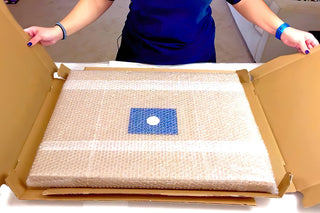
STEP 2 - SHIPPING
We ship your order. We send you an email to track the progress

STEP 3 - DELIVERY
You receive your order. You can also, according to your choice, be delivered to a relay point.
Matte finish
View from behind
Frame (optional)
Captivating Introduction to the Art print Head of a Black Man - Govert Flinck
The "Head of a Black Man" by Govert Flinck is a work that transcends a simple portrait to become a profound exploration of identity and the human condition. Created in the 17th century, this piece showcases the technical skill and artistic sensitivity of its creator, while also reflecting a rich historical context. Flinck, a pupil of Rembrandt, masterfully captures not only the physical features of his subject but also an emotional essence that invites the viewer to introspection. Through this art print, the work becomes a bearer of history, culture, and timeless beauty.
Style and uniqueness of the work
Flinck's style is distinguished by his masterful use of light and shadow, a legacy of chiaroscuro techniques. In "Head of a Black Man," light gently caresses the face of the subject, highlighting the nuances of his skin and the details of his features. Every shadow and reflection is carefully studied, creating a depth that seems almost tangible. The expression of the model, both serene and mysterious, adds an extra dimension to the piece, prompting the viewer to reflect on his thoughts and emotions. Flinck succeeds in bringing this face to life, making each gaze a silent exchange between the artist, the model, and the observer.
The artist and his influence
Govert Flinck, born in 1615, is often regarded as one of the most brilliant representatives of the Dutch school of painting. A pupil of Rembrandt, he mastered his master's techniques while developing a personal style unique to himself. Flinck navigated between portraiture and historical scenes, leaving an indelible mark on the art of his time. His work influenced many artists, and his ability to capture the humanity of his models paved the way for deeper explorations of identity in art. Through his works, Flinck helped broaden the horizons of representation, incorporating subjects often overlooked in Western art of his era, and "Head of a
12,34 €