
Art print Head of an Italian Woman - Jean-Léon Gérôme | Art print


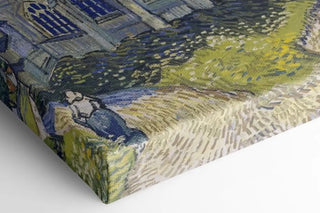
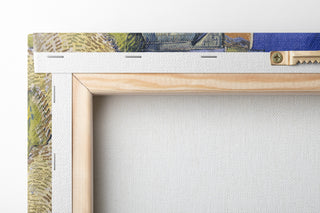
View from behind
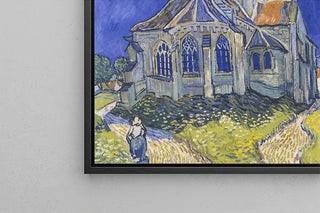
Frame (optional)
Introduction captivante
The canvas "Tête d'une femme italienne" by Jean-Léon Gérôme is a work that embodies both timeless beauty and deep expression of human emotions. This piece, created in the 19th century, draws the eye with its striking realism and ability to capture the essence of a female figure. Gérôme, a renowned academic painter, transcended simple representations to offer a glimpse into the psyche of his subjects. Through this art print, the viewer is invited to delve into the fascinating universe of the artist, where every detail matters and every gaze tells a story.
Style and uniqueness of the work
Gérôme's style is undeniably characterized by meticulous attention to detail and impressive mastery of light. In "Tête d'une femme italienne," the delicacy of facial features, the subtlety of shadows, and the richness of colors testify to an unparalleled technique. The woman depicted seems to emerge from the canvas, almost alive, with an expression that oscillates between melancholy and serenity. This emotional duality is accentuated by the choice of colors, where earth tones and flesh tones blend harmoniously. Gérôme thus manages to create an intimate atmosphere, inviting the viewer to ponder the thoughts and feelings of this mysterious character. The composition of the work, centered on the face, also allows for a focus on the eyes, true windows to the soul, which captivate and enchant.
The artist and his influence
Jean-Léon Gérôme is an emblematic figure of 19th-century academic art. Trained at the École des Beaux-Arts in Paris, he skillfully combined tradition and innovation, integrating elements of neoclassicism while exploring orientalist and historical themes. His influence extends far beyond his time, inspiring many contemporary and future artists. Gérôme captured the collective imagination of his era, offering idealized visions of distant cultures while remaining rooted in a realistic technique. Through his works, he also contributed to shaping the perception of art as a means of ex
Art print Head of an Italian Woman - Jean-Léon Gérôme | Art print

-10% FROM €95 IN PURCHASES
-15% FROM €195 IN PURCHASES
Regular price
- Unit price
- per
Tax included.
Free shipping
€4.90 / Free shipping on orders over €39
Satisfied or Money Back
Free returns within 30 days
10-year warranty
Our prints are guaranteed for 10 years
Any questions? We are here!
by email to contact@artemlegrand.com
THE STEPS OF YOUR ORDER
STEP 1 - ORDER PLACED
Your order has been confirmed and we are starting production
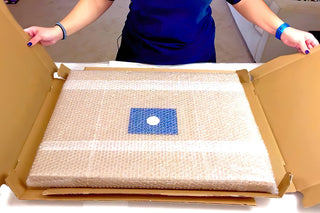
STEP 2 - SHIPPING
We ship your order. We send you an email to track the progress

STEP 3 - DELIVERY
You receive your order. You can also, according to your choice, be delivered to a relay point.
Matte finish
View from behind
Frame (optional)
Introduction captivante
The canvas "Tête d'une femme italienne" by Jean-Léon Gérôme is a work that embodies both timeless beauty and deep expression of human emotions. This piece, created in the 19th century, draws the eye with its striking realism and ability to capture the essence of a female figure. Gérôme, a renowned academic painter, transcended simple representations to offer a glimpse into the psyche of his subjects. Through this art print, the viewer is invited to delve into the fascinating universe of the artist, where every detail matters and every gaze tells a story.
Style and uniqueness of the work
Gérôme's style is undeniably characterized by meticulous attention to detail and impressive mastery of light. In "Tête d'une femme italienne," the delicacy of facial features, the subtlety of shadows, and the richness of colors testify to an unparalleled technique. The woman depicted seems to emerge from the canvas, almost alive, with an expression that oscillates between melancholy and serenity. This emotional duality is accentuated by the choice of colors, where earth tones and flesh tones blend harmoniously. Gérôme thus manages to create an intimate atmosphere, inviting the viewer to ponder the thoughts and feelings of this mysterious character. The composition of the work, centered on the face, also allows for a focus on the eyes, true windows to the soul, which captivate and enchant.
The artist and his influence
Jean-Léon Gérôme is an emblematic figure of 19th-century academic art. Trained at the École des Beaux-Arts in Paris, he skillfully combined tradition and innovation, integrating elements of neoclassicism while exploring orientalist and historical themes. His influence extends far beyond his time, inspiring many contemporary and future artists. Gérôme captured the collective imagination of his era, offering idealized visions of distant cultures while remaining rooted in a realistic technique. Through his works, he also contributed to shaping the perception of art as a means of ex
12,34 €