
Painting Haas Lepus europaeus Haeze Lepus Hare - Anselmus Botius de Boodt | Art print


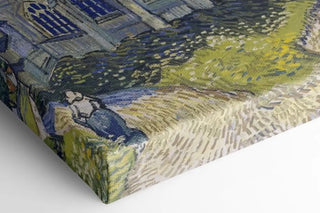
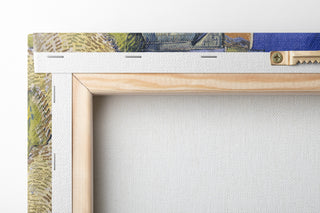
View from behind
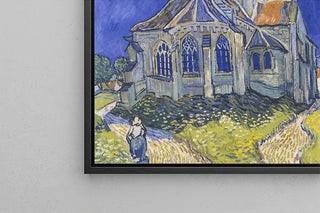
Frame (optional)
In the vast panorama of art history, certain works emerge as poignant testimonies of the relationship between humans and nature. The Haas Lepus europaeus Haeze Lepus Hare - Anselmus Botius de Boodt is one of these emblematic pieces. This painting, which captures the very essence of the hare, a creature both graceful and enigmatic, immerses us in a universe where meticulous detail meets the poetry of wildlife. By contemplating this piece, the viewer is immediately transported to a world where each brushstroke seems to whisper the secrets of fauna, inviting reflection on our own place within the ecosystem.
Style and uniqueness of the work
The uniqueness of this piece lies in its ability to blend realism and symbolism. Anselmus Botius de Boodt, as an artist, transcended the simple representation of the hare to make it a true symbol of wild nature. The carefully chosen colors, ranging from earthy tones to luminous highlights, create an atmosphere that is both lively and serene. The precision of details, whether in the hare's fur or in the rendering of surrounding elements, demonstrates meticulous observation and a deep understanding of animal anatomy. Every element of the composition, from delicate shadows to light reflections, contributes to a visual harmony that captures the eye and the mind. This work is not merely a simple illustration; it is an invitation to explore the beauty and complexity of the natural world.
The artist and his influence
Anselmus Botius de Boodt, a Flemish artist of the early 17th century, marked his era with his innovative approach to animal painting. At a time when naturalism was beginning to gain momentum, he distinguished himself by his ability to combine scientific observation with artistic sensitivity. His work influenced many contemporary and future artists, establishing a bridge between art and science. Boodt was not only a painter but also a passionate scholar of natural history, which
Painting Haas Lepus europaeus Haeze Lepus Hare - Anselmus Botius de Boodt | Art print

-10% FROM €95 IN PURCHASES
-15% FROM €195 IN PURCHASES
Regular price
- Unit price
- per
Free shipping
€4.90 / Free shipping on orders over €39
Satisfied or Money Back
Free returns within 30 days
10-year warranty
Our prints are guaranteed for 10 years
Any questions? We are here!
by email to contact@artemlegrand.com
THE STEPS OF YOUR ORDER

STEP 1 - ORDER PLACED
Your order has been confirmed and we are starting production
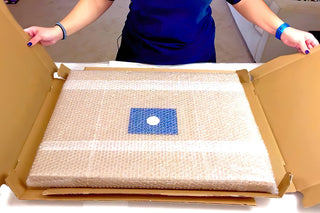
STEP 2 - SHIPPING
We ship your order. We send you an email to track the progress

STEP 3 - DELIVERY
You receive your order. You can also, according to your choice, be delivered to a relay point.
Matte finish
View from behind
Frame (optional)
In the vast panorama of art history, certain works emerge as poignant testimonies of the relationship between humans and nature. The Haas Lepus europaeus Haeze Lepus Hare - Anselmus Botius de Boodt is one of these emblematic pieces. This painting, which captures the very essence of the hare, a creature both graceful and enigmatic, immerses us in a universe where meticulous detail meets the poetry of wildlife. By contemplating this piece, the viewer is immediately transported to a world where each brushstroke seems to whisper the secrets of fauna, inviting reflection on our own place within the ecosystem.
Style and uniqueness of the work
The uniqueness of this piece lies in its ability to blend realism and symbolism. Anselmus Botius de Boodt, as an artist, transcended the simple representation of the hare to make it a true symbol of wild nature. The carefully chosen colors, ranging from earthy tones to luminous highlights, create an atmosphere that is both lively and serene. The precision of details, whether in the hare's fur or in the rendering of surrounding elements, demonstrates meticulous observation and a deep understanding of animal anatomy. Every element of the composition, from delicate shadows to light reflections, contributes to a visual harmony that captures the eye and the mind. This work is not merely a simple illustration; it is an invitation to explore the beauty and complexity of the natural world.
The artist and his influence
Anselmus Botius de Boodt, a Flemish artist of the early 17th century, marked his era with his innovative approach to animal painting. At a time when naturalism was beginning to gain momentum, he distinguished himself by his ability to combine scientific observation with artistic sensitivity. His work influenced many contemporary and future artists, establishing a bridge between art and science. Boodt was not only a painter but also a passionate scholar of natural history, which