
Painting L'adieu - Ludwig Knaus | Art print


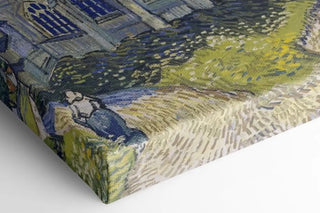
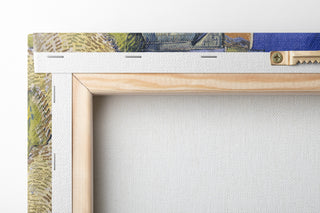
View from behind
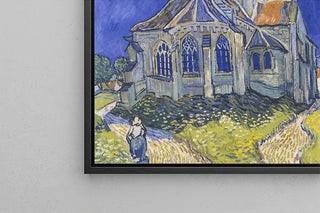
Frame (optional)
Reproduction The Farewell - Ludwig Knaus – Engaging Introduction
The artwork "The Farewell" by Ludwig Knaus is a masterpiece that captures the essence of human emotions through a poignant and intimate scene. In this depiction, the artist manages to freeze a moment of separation, evoking both melancholy and tenderness. The gaze of the characters, their delicate gestures, and the atmosphere emanating from the canvas immerse us in a universe where time seems suspended. It is an invitation to feel the depth of human relationships, to explore the subtleties of farewells, often charged with promises and regrets. The magic of this piece lies in its ability to touch us at the heart, to make us reflect on our own experiences of separation.
Style and uniqueness of the work
Knaus's style is characterized by an impressive mastery of details and a carefully chosen color palette. In "The Farewell," delicate nuances of light and shadow create an atmosphere that is both realistic and poetic. The faces of the characters, carefully modeled, reveal a range of emotions that transcend mere visual representation. The artist skillfully plays with textures, making the fabrics of clothing almost tangible, while the backgrounds, subtly blurred, highlight the intensity of the captured moment. This artwork does not merely depict a scene; it tells a story, invites introspection and empathy, and reminds us that every separation is a step in the journey of life.
The artist and his influence
Ludwig Knaus, a German painter of the 19th century, is often associated with the realist movement, which aims to depict everyday life with striking fidelity. His work is marked by a deep sensitivity to human emotions, a characteristic that is evident in "The Farewell." Knaus was able to draw inspiration from the great masters while developing a style that is uniquely his own, influencing many artists of his time and beyond. His humanist approach, centered on lived experience and interpersonal relationships, paved the way for a new way of perceiving and representing reality. By evoking universal themes such as love, loss, and
Painting L'adieu - Ludwig Knaus | Art print

-10% FROM €95 IN PURCHASES
-15% FROM €195 IN PURCHASES
Regular price
- Unit price
- per
Tax included.
Free shipping
€4.90 / Free shipping on orders over €39
Satisfied or Money Back
Free returns within 30 days
10-year warranty
Our prints are guaranteed for 10 years
Any questions? We are here!
by email to contact@artemlegrand.com
THE STEPS OF YOUR ORDER

STEP 1 - ORDER PLACED
Your order has been confirmed and we are starting production
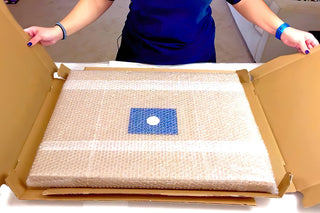
STEP 2 - SHIPPING
We ship your order. We send you an email to track the progress

STEP 3 - DELIVERY
You receive your order. You can also, according to your choice, be delivered to a relay point.
Matte finish
View from behind
Frame (optional)
Reproduction The Farewell - Ludwig Knaus – Engaging Introduction
The artwork "The Farewell" by Ludwig Knaus is a masterpiece that captures the essence of human emotions through a poignant and intimate scene. In this depiction, the artist manages to freeze a moment of separation, evoking both melancholy and tenderness. The gaze of the characters, their delicate gestures, and the atmosphere emanating from the canvas immerse us in a universe where time seems suspended. It is an invitation to feel the depth of human relationships, to explore the subtleties of farewells, often charged with promises and regrets. The magic of this piece lies in its ability to touch us at the heart, to make us reflect on our own experiences of separation.
Style and uniqueness of the work
Knaus's style is characterized by an impressive mastery of details and a carefully chosen color palette. In "The Farewell," delicate nuances of light and shadow create an atmosphere that is both realistic and poetic. The faces of the characters, carefully modeled, reveal a range of emotions that transcend mere visual representation. The artist skillfully plays with textures, making the fabrics of clothing almost tangible, while the backgrounds, subtly blurred, highlight the intensity of the captured moment. This artwork does not merely depict a scene; it tells a story, invites introspection and empathy, and reminds us that every separation is a step in the journey of life.
The artist and his influence
Ludwig Knaus, a German painter of the 19th century, is often associated with the realist movement, which aims to depict everyday life with striking fidelity. His work is marked by a deep sensitivity to human emotions, a characteristic that is evident in "The Farewell." Knaus was able to draw inspiration from the great masters while developing a style that is uniquely his own, influencing many artists of his time and beyond. His humanist approach, centered on lived experience and interpersonal relationships, paved the way for a new way of perceiving and representing reality. By evoking universal themes such as love, loss, and
12,34 €