
Art print of the Fish tile painting with flounder and three carp from the Tosa Diary series Tosa nikki - Kubo Shunman


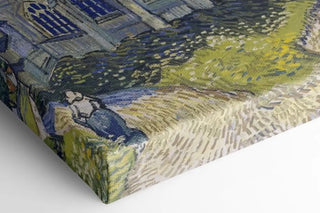
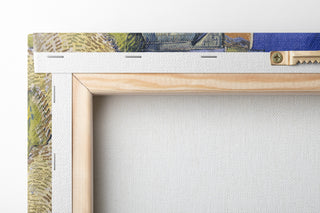
View from behind
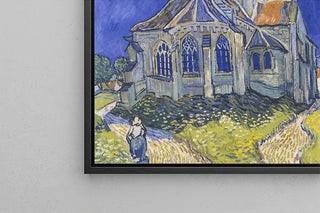
Frame (optional)
The Poisson-tuile à limande et trois carassins art print from the Tosa Diary Tosa nikki series by Kubo Shunman is a piece that invites contemplation and reflection. This painting, stemming from a refined Japanese artistic tradition, evokes a world where nature and art meet in delicate harmony. Through this depiction, the artist immerses us in an aquatic universe, where fish, true symbols of life and movement, seem to dance on the water's surface. The work is a tribute to the ephemeral beauty of nature, captured with precision and poetry that transcend time. This piece, both simple and complex, reminds us of the importance of observation and appreciation of the details that surround us.
Style and uniqueness of the work
Kubo Shunman's style is distinguished by its meticulous approach and attention to detail. In this piece, colors are carefully chosen, ranging from soft, pastel shades to more vivid hues, creating a soothing visual balance. The fish, with their elegant shapes and shimmering scales, are depicted with such finesse that they almost seem alive. The artist employs techniques of layering and gradation to give an impression of depth and movement, making the scene almost three-dimensional. This art print is rooted in the ukiyo-e tradition, where nature is often highlighted, but it stands out for its ability to capture not only the appearance of the subjects but also their essence. The composition is harmonious, with each element finding its place within a coherent whole, demonstrating Shunman's creative genius.
The artist and his influence
Kubo Shunman, an emblematic figure of 18th-century Japanese art, left his mark on his era with his unique style and artistic vision. Trained within the ukiyo-e milieu, he drew inspiration from traditions while adding his personal touch. His work is characterized by a particular attention to detail and a sensitivity to colors, which allowed him to stand out from his contemporaries.
Art print of the Fish tile painting with flounder and three carp from the Tosa Diary series Tosa nikki - Kubo Shunman

-10% FROM €95 IN PURCHASES
-15% FROM €195 IN PURCHASES
Regular price
- Unit price
- per
Tax included.
Free shipping
€4.90 / Free shipping on orders over €39
Satisfied or Money Back
Free returns within 30 days
10-year warranty
Our prints are guaranteed for 10 years
Any questions? We are here!
by email to contact@artemlegrand.com
THE STEPS OF YOUR ORDER

STEP 1 - ORDER PLACED
Your order has been confirmed and we are starting production
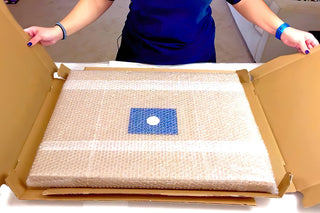
STEP 2 - SHIPPING
We ship your order. We send you an email to track the progress

STEP 3 - DELIVERY
You receive your order. You can also, according to your choice, be delivered to a relay point.
Matte finish
View from behind
Frame (optional)
The Poisson-tuile à limande et trois carassins art print from the Tosa Diary Tosa nikki series by Kubo Shunman is a piece that invites contemplation and reflection. This painting, stemming from a refined Japanese artistic tradition, evokes a world where nature and art meet in delicate harmony. Through this depiction, the artist immerses us in an aquatic universe, where fish, true symbols of life and movement, seem to dance on the water's surface. The work is a tribute to the ephemeral beauty of nature, captured with precision and poetry that transcend time. This piece, both simple and complex, reminds us of the importance of observation and appreciation of the details that surround us.
Style and uniqueness of the work
Kubo Shunman's style is distinguished by its meticulous approach and attention to detail. In this piece, colors are carefully chosen, ranging from soft, pastel shades to more vivid hues, creating a soothing visual balance. The fish, with their elegant shapes and shimmering scales, are depicted with such finesse that they almost seem alive. The artist employs techniques of layering and gradation to give an impression of depth and movement, making the scene almost three-dimensional. This art print is rooted in the ukiyo-e tradition, where nature is often highlighted, but it stands out for its ability to capture not only the appearance of the subjects but also their essence. The composition is harmonious, with each element finding its place within a coherent whole, demonstrating Shunman's creative genius.
The artist and his influence
Kubo Shunman, an emblematic figure of 18th-century Japanese art, left his mark on his era with his unique style and artistic vision. Trained within the ukiyo-e milieu, he drew inspiration from traditions while adding his personal touch. His work is characterized by a particular attention to detail and a sensitivity to colors, which allowed him to stand out from his contemporaries.
12,34 €