
Painting Glaucus and Scylla - Laurent de La Hyre | Art print


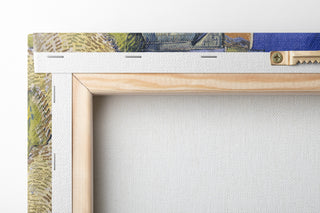
View from behind
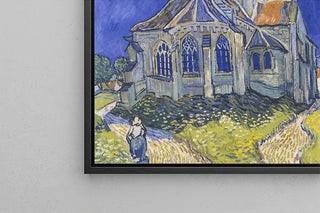
Frame (optional)
Reproduction Glaucus et Scylla - Laurent de La Hyre – Engaging Introduction
In the vibrant universe of baroque art, the artwork "Glaucus et Scylla" by Laurent de La Hyre stands out as a true ode to mythology and human sensitivity. This painting, depicting an emotionally charged scene, transports us to the heart of a legend where love, betrayal, and metamorphosis intertwine. The depiction of Glaucus, this sea god in love with the nymph Scylla, evokes a dramatic tension that resonates through the ages. La Hyre, with his technical skill and poetic vision, manages to capture the very essence of this mythological story, offering a window into a time when art was a means of expressing the deepest human passions.
Style and uniqueness of the work
The piece is distinguished by its masterful use of light and shadow, a chiaroscuro that enhances the depth of the characters' emotions. The color palette chosen by La Hyre, both vibrant and nuanced, helps create an atmosphere that is simultaneously dramatic and romantic. The meticulous details of the faces, drapery, and natural elements, such as tumultuous waves and marine fauna, demonstrate undeniable technical mastery. La Hyre does not merely reproduce a mythological scene; he embeds it within an emotional context, where each brushstroke tells a story. Thus, the artwork transcends the simple painting to become a true visual narration, inviting the viewer to delve into the intricacies of the human soul.
The artist and his influence
Laurent de La Hyre, an emblematic figure of the 17th century, knew how to mark his era with his ability to combine tradition and innovation. Trained under the guidance of the great masters of his time, he developed a distinctive style, blending classical influences with contemporary inspirations. His approach to mythology, often tinged with personal sensitivity, allowed him to stand out in the artistic landscape of his time. La Hyre not only contributed to enriching French artistic heritage but also paved the way for future artists.
Painting Glaucus and Scylla - Laurent de La Hyre | Art print

-10% FROM €95 IN PURCHASES
-15% FROM €195 IN PURCHASES
Regular price
- Unit price
- per
Tax included.
Free shipping
€4.90 / Free shipping on orders over €39
Satisfied or Money Back
Free returns within 30 days
10-year warranty
Our prints are guaranteed for 10 years
Any questions? We are here!
by email to contact@artemlegrand.com
THE STEPS OF YOUR ORDER

STEP 1 - ORDER PLACED
Your order has been confirmed and we are starting production
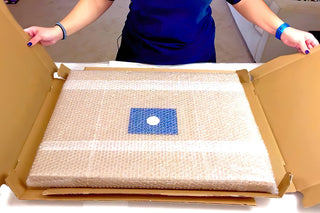
STEP 2 - SHIPPING
We ship your order. We send you an email to track the progress

STEP 3 - DELIVERY
You receive your order. You can also, according to your choice, be delivered to a relay point.
Matte finish
View from behind
Frame (optional)
Reproduction Glaucus et Scylla - Laurent de La Hyre – Engaging Introduction
In the vibrant universe of baroque art, the artwork "Glaucus et Scylla" by Laurent de La Hyre stands out as a true ode to mythology and human sensitivity. This painting, depicting an emotionally charged scene, transports us to the heart of a legend where love, betrayal, and metamorphosis intertwine. The depiction of Glaucus, this sea god in love with the nymph Scylla, evokes a dramatic tension that resonates through the ages. La Hyre, with his technical skill and poetic vision, manages to capture the very essence of this mythological story, offering a window into a time when art was a means of expressing the deepest human passions.
Style and uniqueness of the work
The piece is distinguished by its masterful use of light and shadow, a chiaroscuro that enhances the depth of the characters' emotions. The color palette chosen by La Hyre, both vibrant and nuanced, helps create an atmosphere that is simultaneously dramatic and romantic. The meticulous details of the faces, drapery, and natural elements, such as tumultuous waves and marine fauna, demonstrate undeniable technical mastery. La Hyre does not merely reproduce a mythological scene; he embeds it within an emotional context, where each brushstroke tells a story. Thus, the artwork transcends the simple painting to become a true visual narration, inviting the viewer to delve into the intricacies of the human soul.
The artist and his influence
Laurent de La Hyre, an emblematic figure of the 17th century, knew how to mark his era with his ability to combine tradition and innovation. Trained under the guidance of the great masters of his time, he developed a distinctive style, blending classical influences with contemporary inspirations. His approach to mythology, often tinged with personal sensitivity, allowed him to stand out in the artistic landscape of his time. La Hyre not only contributed to enriching French artistic heritage but also paved the way for future artists.
12,34 €