
Art print of a girl with a blue jacket and a white scarf - Pietro Rotari | Art print


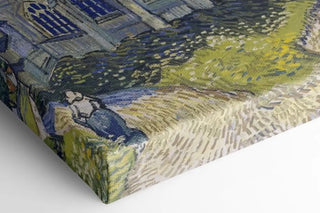
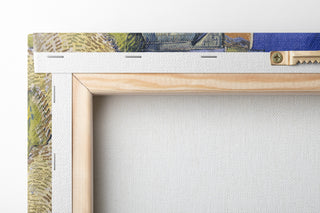
View from behind
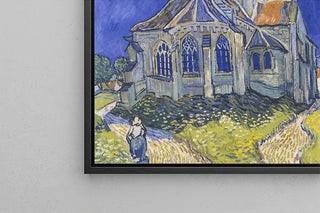
Frame (optional)
In the world of art, some works transcend time and space, captivating the eye and mind of viewers across centuries. "A girl with a blue jacket and a white scarf" by Pietro Rotari is one of those creations that, through its apparent simplicity, evokes emotional depth and narrative richness. This artwork, painted in the 18th century, delicately illustrates the beauty and tenderness of a young woman, while revealing the technical mastery of the artist. The harmony of colors and the softness of the strokes make this painting a true treasure, an open window to an era when art was a mirror of human feelings and aspirations.
Style and uniqueness of the work
Rotari's style is characterized by an intimate approach and particular attention to detail. In "A girl with a blue jacket and a white scarf," the choice of colors is anything but trivial. The blue of the jacket, both soothing and vibrant, delicately contrasts with the whiteness of the scarf, creating an atmosphere that is both serene and dynamic. The play of light and shadow highlights the face of the young woman, emphasizing her gentle and contemplative expression. Each brushstroke seems charged with emotion, inviting the viewer to ponder the thoughts and dreams of this enigmatic character. Rotari, through his style, manages to capture the essence of youth and beauty, while offering a reflection on the female condition of his time.
The artist and his influence
Pietro Rotari, born in 1707 in Verona, is often regarded as one of the masters of portraiture in the 18th century. His career, marked by stays in Venice and Saint Petersburg, demonstrates his ability to adapt to the varied tastes of the elites of his era. Rotari successfully bridged the baroque and rococo styles, incorporating elements of sensuality and lightness into his works. His influence extends beyond his own production, inspiring many contemporary and future artists. Through his portraits, he contributed to redefining the image of women in art, giving them
Art print of a girl with a blue jacket and a white scarf - Pietro Rotari | Art print

-10% FROM €95 IN PURCHASES
-15% FROM €195 IN PURCHASES
Regular price
- Unit price
- per
Tax included.
Free shipping
€4.90 / Free shipping on orders over €39
Satisfied or Money Back
Free returns within 30 days
10-year warranty
Our prints are guaranteed for 10 years
Any questions? We are here!
by email to contact@artemlegrand.com
THE STEPS OF YOUR ORDER

STEP 1 - ORDER PLACED
Your order has been confirmed and we are starting production
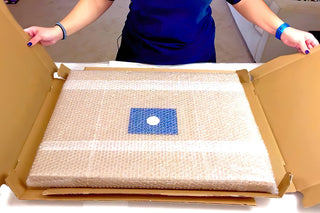
STEP 2 - SHIPPING
We ship your order. We send you an email to track the progress

STEP 3 - DELIVERY
You receive your order. You can also, according to your choice, be delivered to a relay point.
Matte finish
View from behind
Frame (optional)
In the world of art, some works transcend time and space, captivating the eye and mind of viewers across centuries. "A girl with a blue jacket and a white scarf" by Pietro Rotari is one of those creations that, through its apparent simplicity, evokes emotional depth and narrative richness. This artwork, painted in the 18th century, delicately illustrates the beauty and tenderness of a young woman, while revealing the technical mastery of the artist. The harmony of colors and the softness of the strokes make this painting a true treasure, an open window to an era when art was a mirror of human feelings and aspirations.
Style and uniqueness of the work
Rotari's style is characterized by an intimate approach and particular attention to detail. In "A girl with a blue jacket and a white scarf," the choice of colors is anything but trivial. The blue of the jacket, both soothing and vibrant, delicately contrasts with the whiteness of the scarf, creating an atmosphere that is both serene and dynamic. The play of light and shadow highlights the face of the young woman, emphasizing her gentle and contemplative expression. Each brushstroke seems charged with emotion, inviting the viewer to ponder the thoughts and dreams of this enigmatic character. Rotari, through his style, manages to capture the essence of youth and beauty, while offering a reflection on the female condition of his time.
The artist and his influence
Pietro Rotari, born in 1707 in Verona, is often regarded as one of the masters of portraiture in the 18th century. His career, marked by stays in Venice and Saint Petersburg, demonstrates his ability to adapt to the varied tastes of the elites of his era. Rotari successfully bridged the baroque and rococo styles, incorporating elements of sensuality and lightness into his works. His influence extends beyond his own production, inspiring many contemporary and future artists. Through his portraits, he contributed to redefining the image of women in art, giving them
12,34 €