
Art print of a girl in a white dress with roses - Eduard Swoboda | Art print


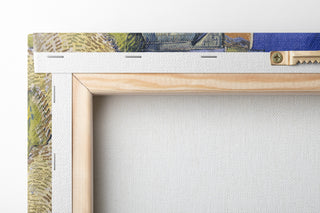
View from behind
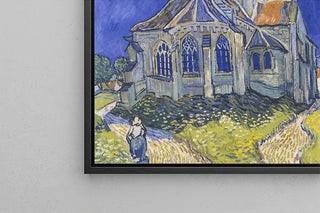
Frame (optional)
In the world of art, some works manage to capture the very essence of human emotion, transcending time and space. "A Girl in a White Dress with Roses" by Eduard Swoboda is one of these creations. This painting evokes a softness and delicacy that invite the viewer to immerse themselves in a universe of beauty and poetry. Through fine brushstrokes and delicate colors, Swoboda transports us to a frozen moment where grace and innocence meet. The white dress of the young girl, adorned with roses, symbolizes both purity and fragility of existence, while also suggesting an intimate connection with nature.
Style and uniqueness of the work
The piece stands out for its unique style, blending realism and impressionism. Swoboda masters the art of light, creating plays of shadows and reflections that bring the canvas to life. The roses, painted with remarkable precision, seem almost tangible, adding a tactile dimension to the whole. The composition is carefully orchestrated, with the central figure of the young girl immediately drawing the eye. Her gentle, dreamy expression, combined with the fluidity of her dress, evokes a sense of serenity. Every detail, from the movement of the dress's folds to the softness of the petals, testifies to diligent work and rare artistic sensitivity. Thus, the work does not merely depict a scene; it tells a story, that of ephemeral youth and a moment of contemplation.
The artist and his influence
Eduard Swoboda, an artist of Austro-Hungarian origin, established himself on the 19th-century art scene thanks to his undeniable talent and unique vision. His career, marked by various influences ranging from old masters to contemporary movements of his time, allowed him to develop a distinctive style. Swoboda was particularly interested in representing femininity, often associated with themes of nature and romanticism. His work reflects a deep sensitivity to human emotions, an aspect that earned him the admiration of his contemporaries and continues
Art print of a girl in a white dress with roses - Eduard Swoboda | Art print

-10% FROM €95 IN PURCHASES
-15% FROM €195 IN PURCHASES
Regular price
- Unit price
- per
Free shipping
€4.90 / Free shipping on orders over €39
Satisfied or Money Back
Free returns within 30 days
10-year warranty
Our prints are guaranteed for 10 years
Any questions? We are here!
by email to contact@artemlegrand.com
THE STEPS OF YOUR ORDER

STEP 1 - ORDER PLACED
Your order has been confirmed and we are starting production
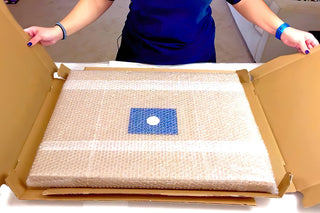
STEP 2 - SHIPPING
We ship your order. We send you an email to track the progress

STEP 3 - DELIVERY
You receive your order. You can also, according to your choice, be delivered to a relay point.
Matte finish
View from behind
Frame (optional)
In the world of art, some works manage to capture the very essence of human emotion, transcending time and space. "A Girl in a White Dress with Roses" by Eduard Swoboda is one of these creations. This painting evokes a softness and delicacy that invite the viewer to immerse themselves in a universe of beauty and poetry. Through fine brushstrokes and delicate colors, Swoboda transports us to a frozen moment where grace and innocence meet. The white dress of the young girl, adorned with roses, symbolizes both purity and fragility of existence, while also suggesting an intimate connection with nature.
Style and uniqueness of the work
The piece stands out for its unique style, blending realism and impressionism. Swoboda masters the art of light, creating plays of shadows and reflections that bring the canvas to life. The roses, painted with remarkable precision, seem almost tangible, adding a tactile dimension to the whole. The composition is carefully orchestrated, with the central figure of the young girl immediately drawing the eye. Her gentle, dreamy expression, combined with the fluidity of her dress, evokes a sense of serenity. Every detail, from the movement of the dress's folds to the softness of the petals, testifies to diligent work and rare artistic sensitivity. Thus, the work does not merely depict a scene; it tells a story, that of ephemeral youth and a moment of contemplation.
The artist and his influence
Eduard Swoboda, an artist of Austro-Hungarian origin, established himself on the 19th-century art scene thanks to his undeniable talent and unique vision. His career, marked by various influences ranging from old masters to contemporary movements of his time, allowed him to develop a distinctive style. Swoboda was particularly interested in representing femininity, often associated with themes of nature and romanticism. His work reflects a deep sensitivity to human emotions, an aspect that earned him the admiration of his contemporaries and continues