
Painting George IV as Prince of Wales - Gainsborough Dupont | Art print


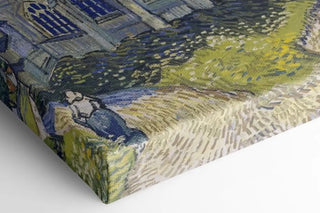
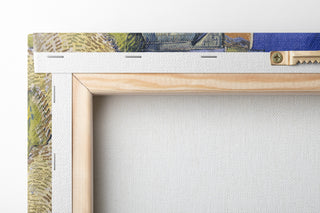
View from behind
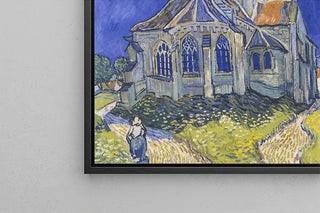
Frame (optional)
In the fascinating world of art, some works transcend their era to become symbols of past grandeur. The art print of George IV as Prince of Wales - Gainsborough Dupont is a perfect example. This painting, which captures the very essence of British royalty, immerses us in the heart of the 18th century, a period marked by elegance and refinement. The depiction of the Prince of Wales, future King George IV, is much more than a simple portrait; it is an open window to a time when power and aesthetics intertwined harmoniously. Through this piece, the viewer is invited to explore the subtleties of a bygone world, where each brushstroke tells a story.
Style and uniqueness of the work
Gainsborough Dupont's style is distinguished by its ability to combine realism and idealization. In this portrait, the Prince of Wales is depicted with remarkable majesty, his delicate features and noble expression. The color palette chosen by the artist evokes an atmosphere of serenity and luxury, while light plays a crucial role in highlighting the details. The sumptuous drapery of the royal attire, as well as carefully selected accessories, testify to a meticulous attention to detail that characterizes the work. This painting does not merely depict an individual; it immortalizes an iconic figure of British history, while capturing the spirit of a time when painting was a means of asserting social status and power.
The artist and his influence
Gainsborough Dupont, a student of the renowned Thomas Gainsborough, established himself in the art world thanks to his undeniable talent and unique vision. Although influenced by his master, Dupont developed a style that is his own, blending finesse and emotional depth. His work on the portrait of George IV demonstrates his skill in capturing not only physical appearance but also the personality of his subjects. As an artist, he contributed to the evolution of the portrait genre by incorporating narrative elements that go beyond simple representation. The impact of his work is felt not only in the field of the
Painting George IV as Prince of Wales - Gainsborough Dupont | Art print

-10% FROM €95 IN PURCHASES
-15% FROM €195 IN PURCHASES
Regular price
- Unit price
- per
Tax included.
Free shipping
€4.90 / Free shipping on orders over €39
Satisfied or Money Back
Free returns within 30 days
10-year warranty
Our prints are guaranteed for 10 years
Any questions? We are here!
by email to contact@artemlegrand.com
THE STEPS OF YOUR ORDER

STEP 1 - ORDER PLACED
Your order has been confirmed and we are starting production
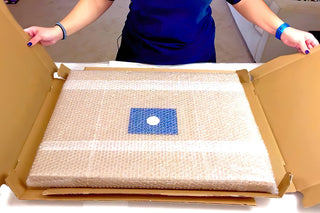
STEP 2 - SHIPPING
We ship your order. We send you an email to track the progress

STEP 3 - DELIVERY
You receive your order. You can also, according to your choice, be delivered to a relay point.
Matte finish
View from behind
Frame (optional)
In the fascinating world of art, some works transcend their era to become symbols of past grandeur. The art print of George IV as Prince of Wales - Gainsborough Dupont is a perfect example. This painting, which captures the very essence of British royalty, immerses us in the heart of the 18th century, a period marked by elegance and refinement. The depiction of the Prince of Wales, future King George IV, is much more than a simple portrait; it is an open window to a time when power and aesthetics intertwined harmoniously. Through this piece, the viewer is invited to explore the subtleties of a bygone world, where each brushstroke tells a story.
Style and uniqueness of the work
Gainsborough Dupont's style is distinguished by its ability to combine realism and idealization. In this portrait, the Prince of Wales is depicted with remarkable majesty, his delicate features and noble expression. The color palette chosen by the artist evokes an atmosphere of serenity and luxury, while light plays a crucial role in highlighting the details. The sumptuous drapery of the royal attire, as well as carefully selected accessories, testify to a meticulous attention to detail that characterizes the work. This painting does not merely depict an individual; it immortalizes an iconic figure of British history, while capturing the spirit of a time when painting was a means of asserting social status and power.
The artist and his influence
Gainsborough Dupont, a student of the renowned Thomas Gainsborough, established himself in the art world thanks to his undeniable talent and unique vision. Although influenced by his master, Dupont developed a style that is his own, blending finesse and emotional depth. His work on the portrait of George IV demonstrates his skill in capturing not only physical appearance but also the personality of his subjects. As an artist, he contributed to the evolution of the portrait genre by incorporating narrative elements that go beyond simple representation. The impact of his work is felt not only in the field of the
12,34 €