
Art print Fruits roses roses et nature morte - George Leslie Hunter | Art print


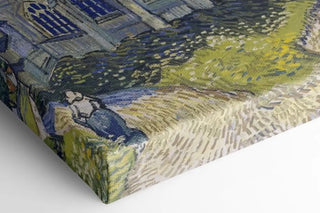
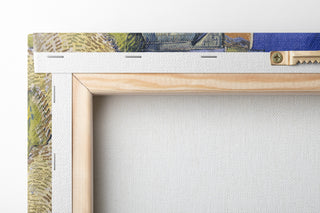
View from behind
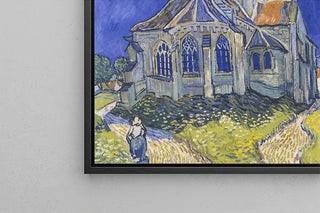
Frame (optional)
Fruits roses roses and still life - George Leslie Hunter – Captivating introduction
In the world of painting, some works transcend the simple frame to become true windows into emotions and atmospheres. "Fruits roses roses and still life - George Leslie Hunter" is one of those creations that, through its beauty and delicacy, invites deep contemplation. This piece, created by a master of the Glasgow movement, evokes a subtle harmony between nature and art, where each element blends to create a living tableau. By immersing ourselves in this work, we discover not only a realistic representation of the fruits but also an exploration of colors and textures that transform still life into a sensory experience.
Style and uniqueness of the work
The uniqueness of "Fruits roses roses and still life" lies in the bold use of color and the way Hunter captures light. The pink hues of the fruits, both vibrant and soft, stand out against a background that seems almost ethereal. The artist plays with shadows and reflections, creating an illusion of volume and depth that brings each element of the painting to life. The meticulous details, from dewdrops to the delicate nuances of the fruit skins, testify to attentive observation of nature. Hunter does not merely reproduce reality; he interprets it, infusing it with visual poetry that transforms a simple still life into a pictorial poem. This work is a celebration of the ephemeral beauty of nature, a tribute to the richness of forms and colors that surround us.
The artist and his influence
George Leslie Hunter, an emblematic figure of the Glasgow Boys group, mastered blending impressionist influences with a unique sensitivity. His artistic journey is marked by a constant quest for authenticity and emotion, seeking to capture the very essence of his subjects. Drawing inspiration from Scottish landscapes and daily life, Hunter created a style that is uniquely his own, where light and color meet in a harmonious dance. His influence extends beyond his era; it paved the way for many artists who, in turn, explored the relationships between nature, color, and form. By redefining the
Art print Fruits roses roses et nature morte - George Leslie Hunter | Art print

-10% FROM €95 IN PURCHASES
-15% FROM €195 IN PURCHASES
Regular price
- Unit price
- per
Tax included.
Free shipping
€4.90 / Free shipping on orders over €39
Satisfied or Money Back
Free returns within 30 days
10-year warranty
Our prints are guaranteed for 10 years
Any questions? We are here!
by email to contact@artemlegrand.com
THE STEPS OF YOUR ORDER

STEP 1 - ORDER PLACED
Your order has been confirmed and we are starting production
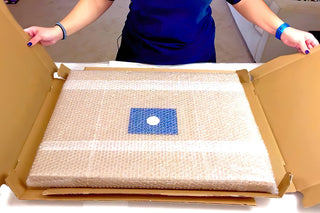
STEP 2 - SHIPPING
We ship your order. We send you an email to track the progress

STEP 3 - DELIVERY
You receive your order. You can also, according to your choice, be delivered to a relay point.
Matte finish
View from behind
Frame (optional)
Fruits roses roses and still life - George Leslie Hunter – Captivating introduction
In the world of painting, some works transcend the simple frame to become true windows into emotions and atmospheres. "Fruits roses roses and still life - George Leslie Hunter" is one of those creations that, through its beauty and delicacy, invites deep contemplation. This piece, created by a master of the Glasgow movement, evokes a subtle harmony between nature and art, where each element blends to create a living tableau. By immersing ourselves in this work, we discover not only a realistic representation of the fruits but also an exploration of colors and textures that transform still life into a sensory experience.
Style and uniqueness of the work
The uniqueness of "Fruits roses roses and still life" lies in the bold use of color and the way Hunter captures light. The pink hues of the fruits, both vibrant and soft, stand out against a background that seems almost ethereal. The artist plays with shadows and reflections, creating an illusion of volume and depth that brings each element of the painting to life. The meticulous details, from dewdrops to the delicate nuances of the fruit skins, testify to attentive observation of nature. Hunter does not merely reproduce reality; he interprets it, infusing it with visual poetry that transforms a simple still life into a pictorial poem. This work is a celebration of the ephemeral beauty of nature, a tribute to the richness of forms and colors that surround us.
The artist and his influence
George Leslie Hunter, an emblematic figure of the Glasgow Boys group, mastered blending impressionist influences with a unique sensitivity. His artistic journey is marked by a constant quest for authenticity and emotion, seeking to capture the very essence of his subjects. Drawing inspiration from Scottish landscapes and daily life, Hunter created a style that is uniquely his own, where light and color meet in a harmonious dance. His influence extends beyond his era; it paved the way for many artists who, in turn, explored the relationships between nature, color, and form. By redefining the
12,34 €