
Fruit of officinal myristic from William Jackson Hooker - Art print


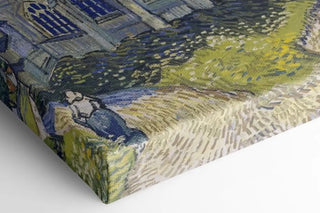
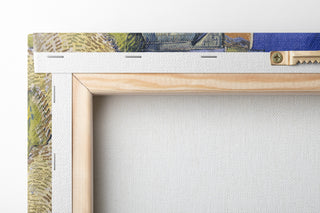
View from behind
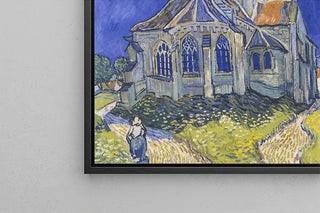
Frame (optional)
William Jackson Hooker’s "Fruit of myristic officinalis" artwork offers a captivating glimpse into the fascinating world of 19th-century botany. With a style that is both precise and poetic, Hooker manages to capture the very essence of this plant, whose fruits have been prized not only for their culinary properties but also for their medicinal virtues. Immersing oneself in this piece transports the viewer into a universe where nature is celebrated in all its splendor, revealing intricate details that highlight the richness of terrestrial flora. This artwork is much more than a simple representation; it is an invitation to explore the mysteries of botany and to appreciate the inherent beauty of every element of nature.
Style and uniqueness of the work
Hooker’s style is distinguished by striking realism, combined with an artistic sensitivity that elevates his subject to the level of art. Every detail of the fruit of myristic officinalis is rendered with surgical precision, demonstrating meticulous observation. The vibrant colors, ranging from deep greens to warm shades of orange, evoke a rich and harmonious palette that captures the eye. Hooker succeeds in balancing scientific rigor with aesthetic appeal, creating a piece that delights both botanical enthusiasts and art lovers. The carefully thought-out composition guides the viewer’s eye through organic forms, while conveying a sense of lightness. This fusion of art and science makes "Fruit of myristic officinalis" a unique work, where each element contributes to a captivating visual story.
The artist and his influence
William Jackson Hooker, botanist and artist, played a pivotal role in the evolution of botanical illustration in the 19th century. His work is rooted in a tradition that values scientific accuracy while celebrating the beauty of nature. Hooker had the opportunity to travel around the world, collecting samples and knowledge that enriched his art. His influence extends beyond his era; it endures today, inspiring artists and scientists who seek to establish a dialogue between art and nature. As a
Fruit of officinal myristic from William Jackson Hooker - Art print

-10% FROM €95 IN PURCHASES
-15% FROM €195 IN PURCHASES
Regular price
- Unit price
- per
Tax included.
Free shipping
€4.90 / Free shipping on orders over €39
Satisfied or Money Back
Free returns within 30 days
10-year warranty
Our prints are guaranteed for 10 years
Any questions? We are here!
by email to contact@artemlegrand.com
THE STEPS OF YOUR ORDER

STEP 1 - ORDER PLACED
Your order has been confirmed and we are starting production
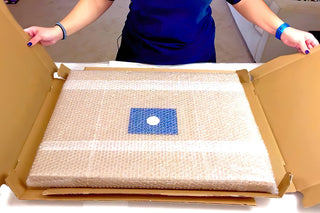
STEP 2 - SHIPPING
We ship your order. We send you an email to track the progress

STEP 3 - DELIVERY
You receive your order. You can also, according to your choice, be delivered to a relay point.
Matte finish
View from behind
Frame (optional)
William Jackson Hooker’s "Fruit of myristic officinalis" artwork offers a captivating glimpse into the fascinating world of 19th-century botany. With a style that is both precise and poetic, Hooker manages to capture the very essence of this plant, whose fruits have been prized not only for their culinary properties but also for their medicinal virtues. Immersing oneself in this piece transports the viewer into a universe where nature is celebrated in all its splendor, revealing intricate details that highlight the richness of terrestrial flora. This artwork is much more than a simple representation; it is an invitation to explore the mysteries of botany and to appreciate the inherent beauty of every element of nature.
Style and uniqueness of the work
Hooker’s style is distinguished by striking realism, combined with an artistic sensitivity that elevates his subject to the level of art. Every detail of the fruit of myristic officinalis is rendered with surgical precision, demonstrating meticulous observation. The vibrant colors, ranging from deep greens to warm shades of orange, evoke a rich and harmonious palette that captures the eye. Hooker succeeds in balancing scientific rigor with aesthetic appeal, creating a piece that delights both botanical enthusiasts and art lovers. The carefully thought-out composition guides the viewer’s eye through organic forms, while conveying a sense of lightness. This fusion of art and science makes "Fruit of myristic officinalis" a unique work, where each element contributes to a captivating visual story.
The artist and his influence
William Jackson Hooker, botanist and artist, played a pivotal role in the evolution of botanical illustration in the 19th century. His work is rooted in a tradition that values scientific accuracy while celebrating the beauty of nature. Hooker had the opportunity to travel around the world, collecting samples and knowledge that enriched his art. His influence extends beyond his era; it endures today, inspiring artists and scientists who seek to establish a dialogue between art and nature. As a
12,34 €