
Art print of Four Peonies and an Imperial Crown - Pierre-Joseph Redouté | Art print


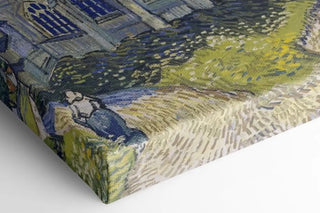
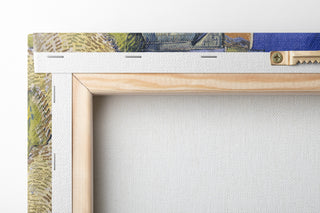
View from behind
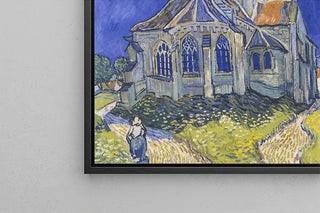
Frame (optional)
The artwork "Four Peonies and an Imperial Crown" by Pierre-Joseph Redouté is part of a floral tradition that transcends mere decoration to touch the very essence of natural beauty. Created in the 19th century, this floral composition embodies the genius of the artist, renowned for his ability to capture the delicacy and richness of flowers. The peonies, with their generous petals and delicate shades, stand majestically, while the imperial crown, a symbol of royalty, adds a dimension of grandeur and nobility. This piece does not merely depict nature; it evokes a universe where each flower tells a story, a moment frozen in time, inviting the viewer to silent and respectful contemplation.
Style and uniqueness of the work
Redouté's style is characterized by striking realism and meticulous attention to detail. In "Four Peonies and an Imperial Crown," he manages to marry botanical accuracy with refined aesthetics. The colors, both vivid and subtly nuanced, reveal an impressive mastery of light and shadow, giving the flowers an almost living dimension. Every petal turn, every gradient of color, bears witness to patient observation and a passion for nature. Redouté does not simply reproduce forms; he infuses a soul into his creations, transforming natural elements into true works of art. This singularity makes his work a benchmark in the world of floral art, and "Four Peonies and an Imperial Crown" is the perfect illustration, combining aesthetic beauty with scientific precision.
The artist and his influence
Pierre-Joseph Redouté, nicknamed the "Raphael of Flowers," left his mark on his era with works of rare delicacy. Originally from Belgium, he established himself at the French court, notably under the reign of Marie Antoinette and Emperor Napoleon. His talent not only influenced the field of botanical illustration but also inspired
Art print of Four Peonies and an Imperial Crown - Pierre-Joseph Redouté | Art print

-10% FROM €95 IN PURCHASES
-15% FROM €195 IN PURCHASES
Regular price
- Unit price
- per
Tax included.
Free shipping
€4.90 / Free shipping on orders over €39
Satisfied or Money Back
Free returns within 30 days
10-year warranty
Our prints are guaranteed for 10 years
Any questions? We are here!
by email to contact@artemlegrand.com
THE STEPS OF YOUR ORDER

STEP 1 - ORDER PLACED
Your order has been confirmed and we are starting production
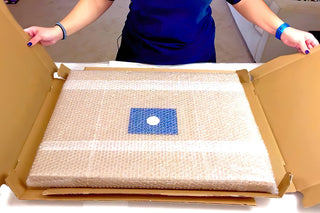
STEP 2 - SHIPPING
We ship your order. We send you an email to track the progress

STEP 3 - DELIVERY
You receive your order. You can also, according to your choice, be delivered to a relay point.
Matte finish
View from behind
Frame (optional)
The artwork "Four Peonies and an Imperial Crown" by Pierre-Joseph Redouté is part of a floral tradition that transcends mere decoration to touch the very essence of natural beauty. Created in the 19th century, this floral composition embodies the genius of the artist, renowned for his ability to capture the delicacy and richness of flowers. The peonies, with their generous petals and delicate shades, stand majestically, while the imperial crown, a symbol of royalty, adds a dimension of grandeur and nobility. This piece does not merely depict nature; it evokes a universe where each flower tells a story, a moment frozen in time, inviting the viewer to silent and respectful contemplation.
Style and uniqueness of the work
Redouté's style is characterized by striking realism and meticulous attention to detail. In "Four Peonies and an Imperial Crown," he manages to marry botanical accuracy with refined aesthetics. The colors, both vivid and subtly nuanced, reveal an impressive mastery of light and shadow, giving the flowers an almost living dimension. Every petal turn, every gradient of color, bears witness to patient observation and a passion for nature. Redouté does not simply reproduce forms; he infuses a soul into his creations, transforming natural elements into true works of art. This singularity makes his work a benchmark in the world of floral art, and "Four Peonies and an Imperial Crown" is the perfect illustration, combining aesthetic beauty with scientific precision.
The artist and his influence
Pierre-Joseph Redouté, nicknamed the "Raphael of Flowers," left his mark on his era with works of rare delicacy. Originally from Belgium, he established himself at the French court, notably under the reign of Marie Antoinette and Emperor Napoleon. His talent not only influenced the field of botanical illustration but also inspired
12,34 €