
Painting Fontaine S. Maclou against the S. Maclou in Rouen - Samuel Prout


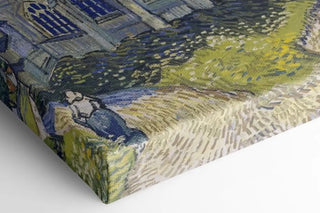
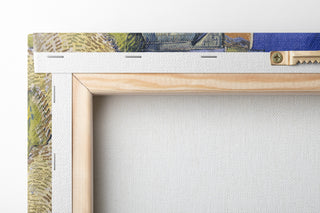
View from behind
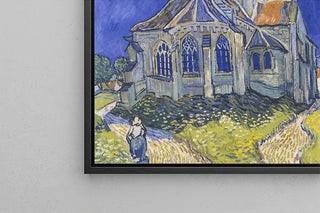
Frame (optional)
Fontaine S. Maclou against the S. Maclou in Rouen - Samuel Prout – Captivating introduction
The "Fontaine S. Maclou against the S. Maclou in Rouen" by Samuel Prout is a work that transcends the simple pictorial frame to immerse the viewer in the very essence of the architecture and atmosphere of Rouen in the 19th century. Prout, master of urban landscape, manages to capture light and shadow in a way that evokes a visual melody, where every detail tells a story. By contemplating this work, one is transported to a world where time seems suspended, where the stones of the fountain whisper tales of the past, and where every reflection on the water invites daydreaming. The art print of this work allows rediscovering the soul of Rouen, a city rich in history and culture, through the eyes of an artist who knew how to immortalize its essence.
Style and uniqueness of the work
Samuel Prout's style is undeniably marked by a finesse of observation and an exceptional mastery of light. In this work, he uses delicate nuances to depict the play of shadow and light dancing on the surface of the fountain. The architectural details, carefully observed, are enhanced by a palette of colors that evoke the softness of a sunny day. Prout manages to create an atmosphere that is both serene and lively, where passersby seem almost to come alive under the artist's benevolent gaze. What makes this work unique is its ability to combine the rigor of realism with an almost romantic approach, where each element of the composition is harmoniously integrated to create a living tableau. The fountain, emblematic of the city, thus becomes the focal point of a scene that celebrates Rouen's architectural heritage while inviting contemplation.
The artist and his influence
Samuel Prout, born in 1783, established himself as one of the great masters of urban landscape in the 19th century. Influenced by the Romantic movement, he captured the essence of European cities with a unique sensitivity. His work is not limited to a simple representation of architecture; it also evokes the emotions and atmospheres that
Painting Fontaine S. Maclou against the S. Maclou in Rouen - Samuel Prout

-10% FROM €95 IN PURCHASES
-15% FROM €195 IN PURCHASES
Regular price
- Unit price
- per
Tax included.
Free shipping
€4.90 / Free shipping on orders over €39
Satisfied or Money Back
Free returns within 30 days
10-year warranty
Our prints are guaranteed for 10 years
Any questions? We are here!
by email to contact@artemlegrand.com
THE STEPS OF YOUR ORDER

STEP 1 - ORDER PLACED
Your order has been confirmed and we are starting production
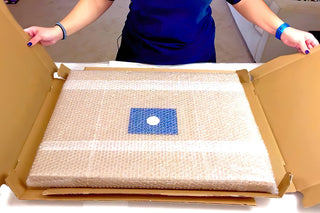
STEP 2 - SHIPPING
We ship your order. We send you an email to track the progress

STEP 3 - DELIVERY
You receive your order. You can also, according to your choice, be delivered to a relay point.
Matte finish
View from behind
Frame (optional)
Fontaine S. Maclou against the S. Maclou in Rouen - Samuel Prout – Captivating introduction
The "Fontaine S. Maclou against the S. Maclou in Rouen" by Samuel Prout is a work that transcends the simple pictorial frame to immerse the viewer in the very essence of the architecture and atmosphere of Rouen in the 19th century. Prout, master of urban landscape, manages to capture light and shadow in a way that evokes a visual melody, where every detail tells a story. By contemplating this work, one is transported to a world where time seems suspended, where the stones of the fountain whisper tales of the past, and where every reflection on the water invites daydreaming. The art print of this work allows rediscovering the soul of Rouen, a city rich in history and culture, through the eyes of an artist who knew how to immortalize its essence.
Style and uniqueness of the work
Samuel Prout's style is undeniably marked by a finesse of observation and an exceptional mastery of light. In this work, he uses delicate nuances to depict the play of shadow and light dancing on the surface of the fountain. The architectural details, carefully observed, are enhanced by a palette of colors that evoke the softness of a sunny day. Prout manages to create an atmosphere that is both serene and lively, where passersby seem almost to come alive under the artist's benevolent gaze. What makes this work unique is its ability to combine the rigor of realism with an almost romantic approach, where each element of the composition is harmoniously integrated to create a living tableau. The fountain, emblematic of the city, thus becomes the focal point of a scene that celebrates Rouen's architectural heritage while inviting contemplation.
The artist and his influence
Samuel Prout, born in 1783, established himself as one of the great masters of urban landscape in the 19th century. Influenced by the Romantic movement, he captured the essence of European cities with a unique sensitivity. His work is not limited to a simple representation of architecture; it also evokes the emotions and atmospheres that
12,34 €