
Art print Blacksmiths - Émile Jacque | Art print


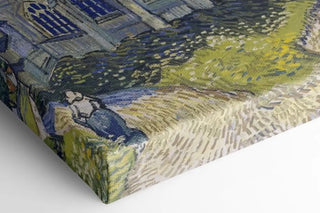
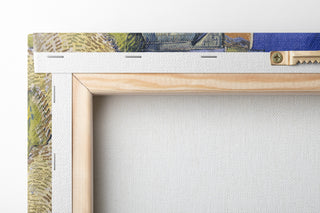
View from behind
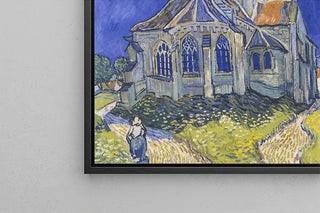
Frame (optional)
Reproduction forgers - Émile Jacque – Captivating introduction
In the rich and diverse universe of art history, certain works stand out for their ability to capture the very essence of everyday life. "forgers - Émile Jacque" is such a piece, bearing witness to a suspended moment where the diligent work of artisans blends with refined aesthetics. This piece, both realistic and poetic, immerses us in a world where strength and beauty coexist, revealing the artist's passion for his subject. The scene depicted by Jacque invites us to contemplate the forgers at work, illustrating not only their craftsmanship but also the importance of craftsmanship in 19th-century society.
Style and uniqueness of the work
Émile Jacque's style is characterized by meticulous attention to detail and skillful use of light. In "forgers," the figures are rendered with precision that reflects the artist's attentive observation. The tense muscles of the forgers, the heat of the fire, and the texture of the molten metal are evoked with such mastery that one can almost feel the warmth emanating from the forge. Earth tones, mixed with touches of light, create an atmosphere that is both intense and immersive. This work is not limited to depicting a scene of labor; it also evokes a reflection on the human condition, effort, and creation. The dynamic composition, centered on the figures of the forgers, draws the eye and invites prolonged contemplation, making each observation revealing new nuances.
The artist and his influence
Émile Jacque, although less known than some of his contemporaries, marked his era with his commitment to realistic representation and the valorization of manual trades. His artistic journey, influenced by the realist movement, allowed him to capture scenes of daily life with a unique sensitivity. Jacque knew how to give a voice to workers, elevating them to the status of full-fledged art objects. His work is part of a tradition that celebrates labor and human dignity, while opposing the romantic ideals that prevailed in his time. Jacque's legacy is still felt today.
Art print Blacksmiths - Émile Jacque | Art print

-10% FROM €95 IN PURCHASES
-15% FROM €195 IN PURCHASES
Regular price
- Unit price
- by
Free shipping
€4.90 / Free shipping on orders over €39
Satisfied or Money Back
Free returns within 30 days
10-year warranty
Our prints are guaranteed for 10 years
Any questions? We are here!
by email to contact@artemlegrand.com
THE STEPS OF YOUR ORDER
STEP 1 - ORDER PLACED
Your order has been confirmed and we are starting production
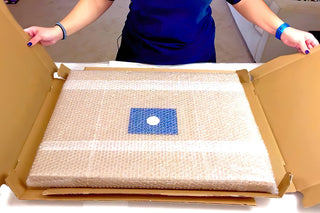
STEP 2 - SHIPPING
We ship your order. We send you an email to track the progress

STEP 3 - DELIVERY
You receive your order. You can also, according to your choice, be delivered to a relay point.
Matte finish
View from behind
Frame (optional)
Reproduction forgers - Émile Jacque – Captivating introduction
In the rich and diverse universe of art history, certain works stand out for their ability to capture the very essence of everyday life. "forgers - Émile Jacque" is such a piece, bearing witness to a suspended moment where the diligent work of artisans blends with refined aesthetics. This piece, both realistic and poetic, immerses us in a world where strength and beauty coexist, revealing the artist's passion for his subject. The scene depicted by Jacque invites us to contemplate the forgers at work, illustrating not only their craftsmanship but also the importance of craftsmanship in 19th-century society.
Style and uniqueness of the work
Émile Jacque's style is characterized by meticulous attention to detail and skillful use of light. In "forgers," the figures are rendered with precision that reflects the artist's attentive observation. The tense muscles of the forgers, the heat of the fire, and the texture of the molten metal are evoked with such mastery that one can almost feel the warmth emanating from the forge. Earth tones, mixed with touches of light, create an atmosphere that is both intense and immersive. This work is not limited to depicting a scene of labor; it also evokes a reflection on the human condition, effort, and creation. The dynamic composition, centered on the figures of the forgers, draws the eye and invites prolonged contemplation, making each observation revealing new nuances.
The artist and his influence
Émile Jacque, although less known than some of his contemporaries, marked his era with his commitment to realistic representation and the valorization of manual trades. His artistic journey, influenced by the realist movement, allowed him to capture scenes of daily life with a unique sensitivity. Jacque knew how to give a voice to workers, elevating them to the status of full-fledged art objects. His work is part of a tradition that celebrates labor and human dignity, while opposing the romantic ideals that prevailed in his time. Jacque's legacy is still felt today.