
Art print Les aumôniers étrangers trouvés dans les trois parties du monde Asie, Afrique et Amérique pl43 - Pieter Cramer


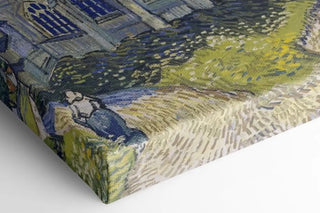
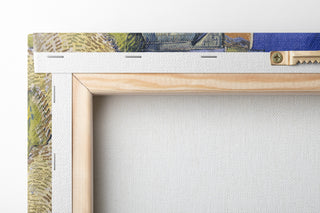
View from behind
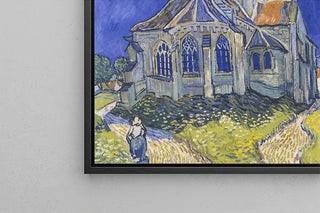
Frame (optional)
The work "Les aumôniers étrangers trouvés dans les trois parties du monde Asia, Africa, and America" by Pieter Cramer is part of an artistic tradition that celebrates cultural diversity through rich and evocative visual representations. This piece, through its subject and treatment, immerses us in a universe where geographical borders fade away to make room for a communion of cultures. Cramer, with his mastery of details and sensitivity towards the subjects he chooses, manages to capture the very essence of human exchanges across ages. The art print of this iconic piece allows us to rediscover not only the artist but also the universal values he advocates through his work.
Style and uniqueness of the work
Pieter Cramer's style is distinguished by a meticulous approach and a keen sense of composition. In this piece, each character is depicted with precision that reflects attentive observation of human traits and traditional costumes. The colors, both vivid and harmonious, enhance the visual impact of the work, creating an atmosphere that is both lively and contemplative. Cramer uses light subtly, playing with shadows and reflections to bring his characters to life. The diversity of the art prints, each bearing the marks of its culture of origin, invites reflection on identity and the meeting of civilizations. This painting thus becomes a true tableau of humanity, where each figure, although distinct, contributes to a coherent and fascinating whole.
The artist and his influence
Pieter Cramer, a Dutch artist of the 17th century, established himself as a major figure of his time thanks to his talent and unique vision of art. His ability to depict a variety of subjects, from religious scenes to portraits, demonstrates his eclecticism and desire to capture the complexity of the world around him. Influenced by the artistic currents of his era, Cramer does not merely reproduce classical models but seeks to add a personal touch to his works. His commitment to representing cultural diversity and his interest in exchanges
Art print Les aumôniers étrangers trouvés dans les trois parties du monde Asie, Afrique et Amérique pl43 - Pieter Cramer

-10% FROM €95 IN PURCHASES
-15% FROM €195 IN PURCHASES
Regular price
- Unit price
- per
Tax included.
Free shipping
€4.90 / Free shipping on orders over €39
Satisfied or Money Back
Free returns within 30 days
10-year warranty
Our prints are guaranteed for 10 years
Any questions? We are here!
by email to contact@artemlegrand.com
THE STEPS OF YOUR ORDER

STEP 1 - ORDER PLACED
Your order has been confirmed and we are starting production
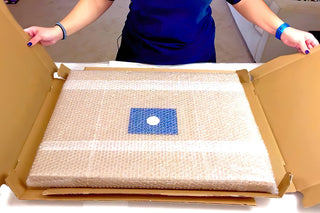
STEP 2 - SHIPPING
We ship your order. We send you an email to track the progress

STEP 3 - DELIVERY
You receive your order. You can also, according to your choice, be delivered to a relay point.
Matte finish
View from behind
Frame (optional)
The work "Les aumôniers étrangers trouvés dans les trois parties du monde Asia, Africa, and America" by Pieter Cramer is part of an artistic tradition that celebrates cultural diversity through rich and evocative visual representations. This piece, through its subject and treatment, immerses us in a universe where geographical borders fade away to make room for a communion of cultures. Cramer, with his mastery of details and sensitivity towards the subjects he chooses, manages to capture the very essence of human exchanges across ages. The art print of this iconic piece allows us to rediscover not only the artist but also the universal values he advocates through his work.
Style and uniqueness of the work
Pieter Cramer's style is distinguished by a meticulous approach and a keen sense of composition. In this piece, each character is depicted with precision that reflects attentive observation of human traits and traditional costumes. The colors, both vivid and harmonious, enhance the visual impact of the work, creating an atmosphere that is both lively and contemplative. Cramer uses light subtly, playing with shadows and reflections to bring his characters to life. The diversity of the art prints, each bearing the marks of its culture of origin, invites reflection on identity and the meeting of civilizations. This painting thus becomes a true tableau of humanity, where each figure, although distinct, contributes to a coherent and fascinating whole.
The artist and his influence
Pieter Cramer, a Dutch artist of the 17th century, established himself as a major figure of his time thanks to his talent and unique vision of art. His ability to depict a variety of subjects, from religious scenes to portraits, demonstrates his eclecticism and desire to capture the complexity of the world around him. Influenced by the artistic currents of his era, Cramer does not merely reproduce classical models but seeks to add a personal touch to his works. His commitment to representing cultural diversity and his interest in exchanges
12,34 €