
Art print of Les chapelles étrangères présentes sur les trois continents Asie, Afrique et Amérique pl. 23 - Pieter Cramer


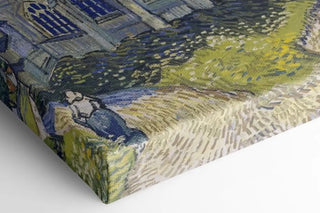
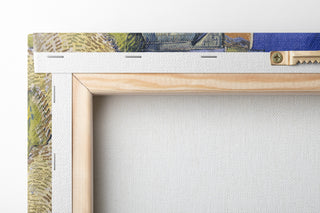
View from behind
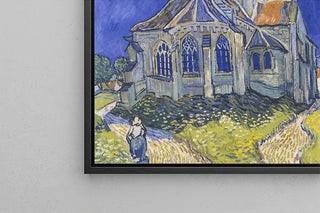
Frame (optional)
In a world where art transcends borders, "Les chapelles étrangères présentes sur les trois continents Asie, Afrique et Amérique pl. 23" by Pieter Cramer stands as a compelling testament to cultural and religious diversity. This piece, rich in detail and symbolism, invites viewers on a visual journey through varied landscapes, where each chapel tells a unique story. By offering a glimpse into different sacred architectures, Cramer captures the essence of spiritual traditions that inhabit these continents. The artwork thus becomes a bridge between cultures, uniting diverse beliefs and practices under a single canvas.
Style and uniqueness of the work
Pieter Cramer's style is distinguished by meticulousness and attention to detail. Each chapel is depicted with precision that reflects careful observation and a deep understanding of architectural elements. The chosen colors, both vibrant and nuanced, breathe new life into the structures, while light and shadow are skillfully manipulated to create an almost tangible atmosphere. The composition is carefully arranged, allowing for a smooth visual exploration that guides the viewer’s eye through the various scenes. Cramer succeeds in blending aesthetics and storytelling, transforming each element into a piece of a larger puzzle that celebrates the richness of faith and architecture around the world.
The artist and his influence
Pieter Cramer, a multi-talented artist, has established himself in the art scene through his ability to merge scientific observation with artistic sensitivity. His work is the result of a journey marked by insatiable curiosity for cultures and traditions. Influenced by the great masters of his time, Cramer developed a style that is uniquely his own, combining realism and romanticism. His approach, which emphasizes exploring religious and cultural themes, has inspired many contemporary artists to question the role of art in intercultural dialogue. By highlighting chapels from different backgrounds, he contributes to a reflection on the universality of faith and on how art
Art print of Les chapelles étrangères présentes sur les trois continents Asie, Afrique et Amérique pl. 23 - Pieter Cramer

-10% FROM €95 IN PURCHASES
-15% FROM €195 IN PURCHASES
Regular price
- Unit price
- per
Tax included.
Free shipping
€4.90 / Free shipping on orders over €39
Satisfied or Money Back
Free returns within 30 days
10-year warranty
Our prints are guaranteed for 10 years
Any questions? We are here!
by email to contact@artemlegrand.com
THE STEPS OF YOUR ORDER
STEP 1 - ORDER PLACED
Your order has been confirmed and we are starting production
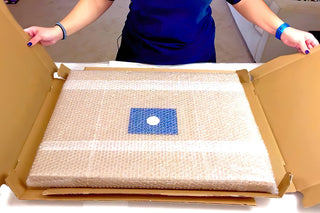
STEP 2 - SHIPPING
We ship your order. We send you an email to track the progress

STEP 3 - DELIVERY
You receive your order. You can also, according to your choice, be delivered to a relay point.
Matte finish
View from behind
Frame (optional)
In a world where art transcends borders, "Les chapelles étrangères présentes sur les trois continents Asie, Afrique et Amérique pl. 23" by Pieter Cramer stands as a compelling testament to cultural and religious diversity. This piece, rich in detail and symbolism, invites viewers on a visual journey through varied landscapes, where each chapel tells a unique story. By offering a glimpse into different sacred architectures, Cramer captures the essence of spiritual traditions that inhabit these continents. The artwork thus becomes a bridge between cultures, uniting diverse beliefs and practices under a single canvas.
Style and uniqueness of the work
Pieter Cramer's style is distinguished by meticulousness and attention to detail. Each chapel is depicted with precision that reflects careful observation and a deep understanding of architectural elements. The chosen colors, both vibrant and nuanced, breathe new life into the structures, while light and shadow are skillfully manipulated to create an almost tangible atmosphere. The composition is carefully arranged, allowing for a smooth visual exploration that guides the viewer’s eye through the various scenes. Cramer succeeds in blending aesthetics and storytelling, transforming each element into a piece of a larger puzzle that celebrates the richness of faith and architecture around the world.
The artist and his influence
Pieter Cramer, a multi-talented artist, has established himself in the art scene through his ability to merge scientific observation with artistic sensitivity. His work is the result of a journey marked by insatiable curiosity for cultures and traditions. Influenced by the great masters of his time, Cramer developed a style that is uniquely his own, combining realism and romanticism. His approach, which emphasizes exploring religious and cultural themes, has inspired many contemporary artists to question the role of art in intercultural dialogue. By highlighting chapels from different backgrounds, he contributes to a reflection on the universality of faith and on how art
12,34 €