
Art print Butterflies from different countries present on the three continents Asia, Africa, and America Pl114 - Pieter Cramer


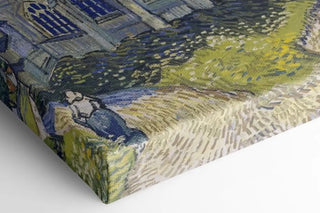
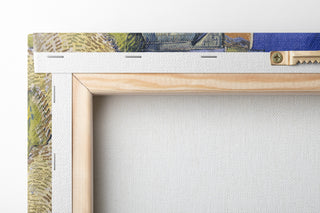
View from behind
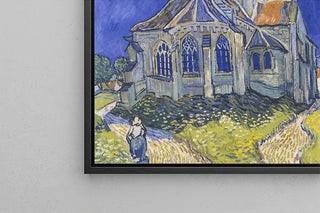
Frame (optional)
In the fascinating world of naturalist art, the artwork "Papillons étrangers présents sur les trois continents Asie Afrique et Amérique Pl114" by Pieter Cramer stands out for its delicacy and precision. This painting, a true ode to biodiversity, invites viewers to immerse themselves in a world where the beauty of insects blends with scientific rigor. Cramer, through this piece, does not merely depict butterflies; he also evokes the richness of the continents and the diversity of ecosystems. The light playing on the colorful wings of the butterflies and the meticulous details of each species capture the very essence of nature, while offering a reflection on the fragility of life.
Style and uniqueness of the artwork
Pieter Cramer's style is characterized by a meticulous approach and a keen sense of observation. Each butterfly is depicted with remarkable fidelity, revealing not only their vivid colors but also their textures and unique shapes. The composition of the piece is carefully orchestrated, with each element placed with precision that demonstrates undeniable technical mastery. Cramer manages to create a visual harmony where each butterfly, though distinct, contributes to a captivating overall scene. The way he uses light and shadow to bring his subjects to life enhances the impression of movement, as if the butterflies are about to take flight. This striking realism, combined with a palette of vibrant colors, makes this work a centerpiece of naturalist genre.
The artist and his influence
Pieter Cramer, a Dutch entomologist and illustrator of the 18th century, played a crucial role in the study of insects, particularly lepidoptera. His work is the result of a passion for nature and a desire to document the diversity of the living world. By combining art and science, Cramer paved the way for a new way of understanding species, influencing many artists and scientists of his time. His illustrations, often considered references in the field of entomology, testify to a meticulous attention to detail and scientific rigor that marked his era
Art print Butterflies from different countries present on the three continents Asia, Africa, and America Pl114 - Pieter Cramer

-10% FROM €95 IN PURCHASES
-15% FROM €195 IN PURCHASES
Regular price
- Unit price
- per
Tax included.
Free shipping
€4.90 / Free shipping on orders over €39
Satisfied or Money Back
Free returns within 30 days
10-year warranty
Our prints are guaranteed for 10 years
Any questions? We are here!
by email to contact@artemlegrand.com
THE STEPS OF YOUR ORDER

STEP 1 - ORDER PLACED
Your order has been confirmed and we are starting production
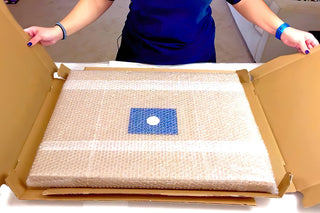
STEP 2 - SHIPPING
We ship your order. We send you an email to track the progress

STEP 3 - DELIVERY
You receive your order. You can also, according to your choice, be delivered to a relay point.
Matte finish
View from behind
Frame (optional)
In the fascinating world of naturalist art, the artwork "Papillons étrangers présents sur les trois continents Asie Afrique et Amérique Pl114" by Pieter Cramer stands out for its delicacy and precision. This painting, a true ode to biodiversity, invites viewers to immerse themselves in a world where the beauty of insects blends with scientific rigor. Cramer, through this piece, does not merely depict butterflies; he also evokes the richness of the continents and the diversity of ecosystems. The light playing on the colorful wings of the butterflies and the meticulous details of each species capture the very essence of nature, while offering a reflection on the fragility of life.
Style and uniqueness of the artwork
Pieter Cramer's style is characterized by a meticulous approach and a keen sense of observation. Each butterfly is depicted with remarkable fidelity, revealing not only their vivid colors but also their textures and unique shapes. The composition of the piece is carefully orchestrated, with each element placed with precision that demonstrates undeniable technical mastery. Cramer manages to create a visual harmony where each butterfly, though distinct, contributes to a captivating overall scene. The way he uses light and shadow to bring his subjects to life enhances the impression of movement, as if the butterflies are about to take flight. This striking realism, combined with a palette of vibrant colors, makes this work a centerpiece of naturalist genre.
The artist and his influence
Pieter Cramer, a Dutch entomologist and illustrator of the 18th century, played a crucial role in the study of insects, particularly lepidoptera. His work is the result of a passion for nature and a desire to document the diversity of the living world. By combining art and science, Cramer paved the way for a new way of understanding species, influencing many artists and scientists of his time. His illustrations, often considered references in the field of entomology, testify to a meticulous attention to detail and scientific rigor that marked his era
12,34 €