
Art print Butterflies from different countries present on the three continents Asia, Africa, and America Pl140 - Pieter Cramer


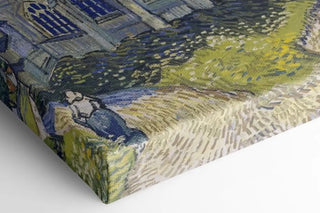
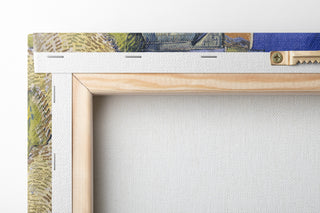
View from behind
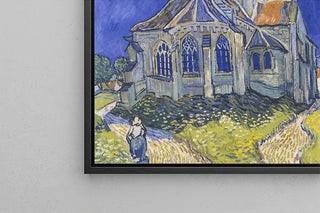
Frame (optional)
In the vibrant world of naturalist art, the "Art print of exotic butterflies present on the three continents Asia, Africa, and America Pl140" by Pieter Cramer stands out for its finesse and precision. This vivid depiction of butterflies, unfolding in all their splendor, invites a visual exploration of nature's wonders. The artist manages to capture not only the physical appearance of these delicate creatures but also the very essence of their habitat, evoking a journey through exotic landscapes. This painting, a true ode to biodiversity, transports us to a world where every detail matters, and every color tells a story.
Style and uniqueness of the work
Pieter Cramer's style is characterized by remarkable meticulousness and attention to detail. In "Art print of exotic butterflies present on the three continents Asia, Africa, and America Pl140," the bright color palette and the precision of the lines demonstrate extraordinary technical mastery. The butterflies, with their wings adorned with complex patterns, seem almost to come alive on the canvas, as if they are about to take flight at any moment. This striking realism results from attentive observation and a passion for nature, which is evident in every brushstroke. Furthermore, the piece stands out for its encyclopedic approach, paying homage to the diversity of species and their geographical distribution. Cramer, as a naturalist illustrator, thus offers a vision that is both aesthetic and scientific, uniting art and knowledge in perfect harmony.
The artist and his influence
Pieter Cramer is an iconic figure of the 18th century, known for his contributions to the illustration of natural history. His work played a crucial role in documenting butterfly species, making him a pioneer in this field. Cramer does not merely reproduce the beauty of nature; he seeks to educate and raise awareness about the importance of biodiversity. His influence extends beyond his era, inspiring many artists and scientists who followed in his footsteps. By rediscovering his work, we better understand the impact of art on the perception of
Art print Butterflies from different countries present on the three continents Asia, Africa, and America Pl140 - Pieter Cramer

-10% FROM €95 IN PURCHASES
-15% FROM €195 IN PURCHASES
Regular price
- Unit price
- per
Tax included.
Free shipping
€4.90 / Free shipping on orders over €39
Satisfied or Money Back
Free returns within 30 days
10-year warranty
Our prints are guaranteed for 10 years
Any questions? We are here!
by email to contact@artemlegrand.com
THE STEPS OF YOUR ORDER

STEP 1 - ORDER PLACED
Your order has been confirmed and we are starting production
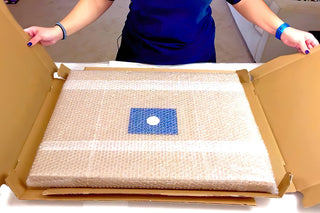
STEP 2 - SHIPPING
We ship your order. We send you an email to track the progress

STEP 3 - DELIVERY
You receive your order. You can also, according to your choice, be delivered to a relay point.
Matte finish
View from behind
Frame (optional)
In the vibrant world of naturalist art, the "Art print of exotic butterflies present on the three continents Asia, Africa, and America Pl140" by Pieter Cramer stands out for its finesse and precision. This vivid depiction of butterflies, unfolding in all their splendor, invites a visual exploration of nature's wonders. The artist manages to capture not only the physical appearance of these delicate creatures but also the very essence of their habitat, evoking a journey through exotic landscapes. This painting, a true ode to biodiversity, transports us to a world where every detail matters, and every color tells a story.
Style and uniqueness of the work
Pieter Cramer's style is characterized by remarkable meticulousness and attention to detail. In "Art print of exotic butterflies present on the three continents Asia, Africa, and America Pl140," the bright color palette and the precision of the lines demonstrate extraordinary technical mastery. The butterflies, with their wings adorned with complex patterns, seem almost to come alive on the canvas, as if they are about to take flight at any moment. This striking realism results from attentive observation and a passion for nature, which is evident in every brushstroke. Furthermore, the piece stands out for its encyclopedic approach, paying homage to the diversity of species and their geographical distribution. Cramer, as a naturalist illustrator, thus offers a vision that is both aesthetic and scientific, uniting art and knowledge in perfect harmony.
The artist and his influence
Pieter Cramer is an iconic figure of the 18th century, known for his contributions to the illustration of natural history. His work played a crucial role in documenting butterfly species, making him a pioneer in this field. Cramer does not merely reproduce the beauty of nature; he seeks to educate and raise awareness about the importance of biodiversity. His influence extends beyond his era, inspiring many artists and scientists who followed in his footsteps. By rediscovering his work, we better understand the impact of art on the perception of
12,34 €