
Painting Butterflies from different continents Asia Africa and America Pl139 - Pieter Cramer


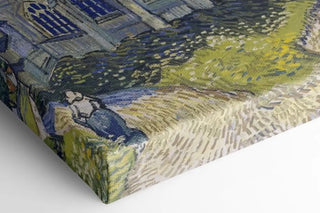
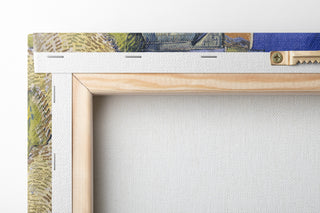
View from behind
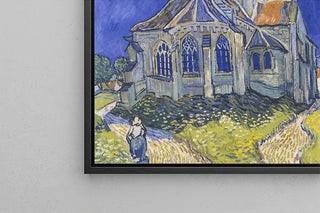
Frame (optional)
In the vast universe of art, certain works stand out for their ability to capture the imagination and awaken the senses. "Foreign butterflies present on the three continents Asia, Africa, and America Pl139 - Pieter Cramer" is one of these creations. This piece, which belongs to the 18th-century movement, offers a fascinating glimpse into biodiversity and the beauty of insects. By exploring this work, the observer is invited to dive into a world where nature and art meet, revealing intricate details and a palette of vibrant colors. The delicacy of the butterflies, immortalized in their splendor, evokes a sense of lightness and grace, while emphasizing the importance of wildlife conservation.
Style and uniqueness of the work
Pieter Cramer's style is characterized by striking realism and meticulous attention to detail. In "Foreign butterflies present on the three continents Asia, Africa, and America Pl139," each butterfly is depicted with precision that reflects thorough observation. Cramer does not merely reproduce shapes; he captures the very essence of these ephemeral creatures. The shades of color, ranging from delicate pastel tones to vivid highlights, create a visual dynamic that draws the eye and stimulates the imagination. The work also stands out for its scientific approach, blending art and naturalism, which was particularly innovative for its time. This unique marriage of aesthetics and the study of nature makes this piece an emblematic example of entomological art, where every detail is carefully orchestrated to offer a harmonious vision.
The artist and his influence
Pieter Cramer, entomologist and artist, successfully combined his passions for science and art throughout his career. Born in the Netherlands, he dedicated part of his life to the study of butterflies, contributing to the classification of numerous species. His work reflects an era when interest in nature and natural sciences was booming. Cramer influenced many artists and scientists, becoming a key figure in the field of artistic entomology. His approach
Painting Butterflies from different continents Asia Africa and America Pl139 - Pieter Cramer

-10% FROM €95 IN PURCHASES
-15% FROM €195 IN PURCHASES
Regular price
- Unit price
- per
Tax included.
Free shipping
€4.90 / Free shipping on orders over €39
Satisfied or Money Back
Free returns within 30 days
10-year warranty
Our prints are guaranteed for 10 years
Any questions? We are here!
by email to contact@artemlegrand.com
THE STEPS OF YOUR ORDER

STEP 1 - ORDER PLACED
Your order has been confirmed and we are starting production
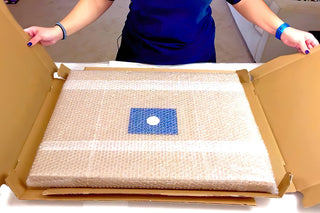
STEP 2 - SHIPPING
We ship your order. We send you an email to track the progress

STEP 3 - DELIVERY
You receive your order. You can also, according to your choice, be delivered to a relay point.
Matte finish
View from behind
Frame (optional)
In the vast universe of art, certain works stand out for their ability to capture the imagination and awaken the senses. "Foreign butterflies present on the three continents Asia, Africa, and America Pl139 - Pieter Cramer" is one of these creations. This piece, which belongs to the 18th-century movement, offers a fascinating glimpse into biodiversity and the beauty of insects. By exploring this work, the observer is invited to dive into a world where nature and art meet, revealing intricate details and a palette of vibrant colors. The delicacy of the butterflies, immortalized in their splendor, evokes a sense of lightness and grace, while emphasizing the importance of wildlife conservation.
Style and uniqueness of the work
Pieter Cramer's style is characterized by striking realism and meticulous attention to detail. In "Foreign butterflies present on the three continents Asia, Africa, and America Pl139," each butterfly is depicted with precision that reflects thorough observation. Cramer does not merely reproduce shapes; he captures the very essence of these ephemeral creatures. The shades of color, ranging from delicate pastel tones to vivid highlights, create a visual dynamic that draws the eye and stimulates the imagination. The work also stands out for its scientific approach, blending art and naturalism, which was particularly innovative for its time. This unique marriage of aesthetics and the study of nature makes this piece an emblematic example of entomological art, where every detail is carefully orchestrated to offer a harmonious vision.
The artist and his influence
Pieter Cramer, entomologist and artist, successfully combined his passions for science and art throughout his career. Born in the Netherlands, he dedicated part of his life to the study of butterflies, contributing to the classification of numerous species. His work reflects an era when interest in nature and natural sciences was booming. Cramer influenced many artists and scientists, becoming a key figure in the field of artistic entomology. His approach
12,34 €