
Art print Butterflies from abroad present on the three continents Asia Africa and America Pl132 - Pieter Cramer


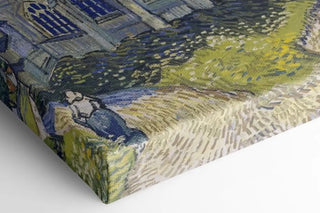
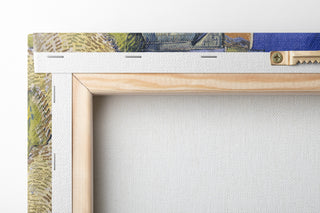
View from behind
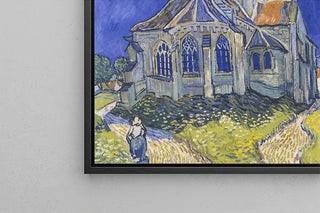
Frame (optional)
Pieter Cramer's "Foreign butterflies present on the three continents of Asia, Africa, and America Pl132" is much more than a simple depiction of insects. It embodies a true exploration of the wonders of nature, while offering a fascinating glimpse into the history of science and art in the 18th century. In a world where curiosity and wonder for biodiversity were flourishing, Cramer manages to capture the essence of these delicate creatures, making his work a valuable testament to the interaction between humans and nature. Through this art print, viewers are invited to immerse themselves in a universe where each butterfly becomes a symbol of beauty and diversity, transcending geographical and cultural boundaries.
Style and uniqueness of the work
Cramer's style is distinguished by his attention to detail and scientific accuracy. Each butterfly is depicted with remarkable precision, revealing not only the beauty of their vibrant colors but also the complexity of their patterns. The delicate nuances and textures of the wings are rendered with such finesse that they seem almost tangible. The work is also characterized by a harmonious composition, where the butterflies are arranged to create visual balance while highlighting the diversity of species. This approach emphasizes the harmony that exists in nature, while celebrating the singularity of each creature. Furthermore, Cramer succeeds in blending art and science, transforming a simple entomological study into a captivating work of art, both educational and aesthetic.
The artist and his influence
Pieter Cramer, entomologist and artist, played a crucial role in documenting butterfly species at a time when scientific classification was rapidly evolving. His work not only contributed to the knowledge of insects but also influenced many artists and scientists of his era. By combining meticulous observation with artistic sensitivity, Cramer paved the way for a new way of understanding nature, where beauty and science come together. His influence is felt not only in the field of entomology but also in naturalist art, inspiring
Art print Butterflies from abroad present on the three continents Asia Africa and America Pl132 - Pieter Cramer

-10% FROM €95 IN PURCHASES
-15% FROM €195 IN PURCHASES
Regular price
- Unit price
- per
Tax included.
Free shipping
€4.90 / Free shipping on orders over €39
Satisfied or Money Back
Free returns within 30 days
10-year warranty
Our prints are guaranteed for 10 years
Any questions? We are here!
by email to contact@artemlegrand.com
THE STEPS OF YOUR ORDER

STEP 1 - ORDER PLACED
Your order has been confirmed and we are starting production
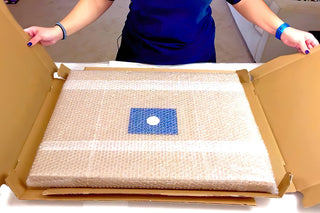
STEP 2 - SHIPPING
We ship your order. We send you an email to track the progress

STEP 3 - DELIVERY
You receive your order. You can also, according to your choice, be delivered to a relay point.
Matte finish
View from behind
Frame (optional)
Pieter Cramer's "Foreign butterflies present on the three continents of Asia, Africa, and America Pl132" is much more than a simple depiction of insects. It embodies a true exploration of the wonders of nature, while offering a fascinating glimpse into the history of science and art in the 18th century. In a world where curiosity and wonder for biodiversity were flourishing, Cramer manages to capture the essence of these delicate creatures, making his work a valuable testament to the interaction between humans and nature. Through this art print, viewers are invited to immerse themselves in a universe where each butterfly becomes a symbol of beauty and diversity, transcending geographical and cultural boundaries.
Style and uniqueness of the work
Cramer's style is distinguished by his attention to detail and scientific accuracy. Each butterfly is depicted with remarkable precision, revealing not only the beauty of their vibrant colors but also the complexity of their patterns. The delicate nuances and textures of the wings are rendered with such finesse that they seem almost tangible. The work is also characterized by a harmonious composition, where the butterflies are arranged to create visual balance while highlighting the diversity of species. This approach emphasizes the harmony that exists in nature, while celebrating the singularity of each creature. Furthermore, Cramer succeeds in blending art and science, transforming a simple entomological study into a captivating work of art, both educational and aesthetic.
The artist and his influence
Pieter Cramer, entomologist and artist, played a crucial role in documenting butterfly species at a time when scientific classification was rapidly evolving. His work not only contributed to the knowledge of insects but also influenced many artists and scientists of his era. By combining meticulous observation with artistic sensitivity, Cramer paved the way for a new way of understanding nature, where beauty and science come together. His influence is felt not only in the field of entomology but also in naturalist art, inspiring
12,34 €