
Art print Butterflies from different countries present on the three continents Asia, Africa, and America Pl112 - Pieter Cramer


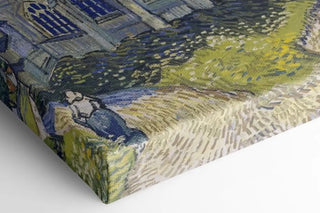
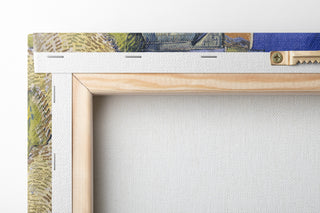
View from behind
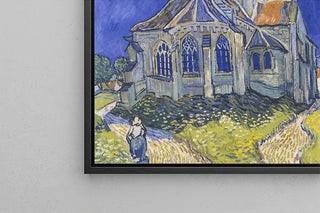
Frame (optional)
In the vibrant universe of natural art, the piece "Papillons étrangers présents sur les trois continents Asie Afrique et Amérique Pl112" by Pieter Cramer stands out for its meticulous and poetic depiction of biodiversity. This emblematic work, rooted in the scientific illustration movement of the 18th century, transports us to a time when curiosity about the natural world was at its peak. Through this art print, we discover not only the beauty of butterflies but also the artist's commitment to capturing the very essence of nature. Cramer, as a keen observer, manages to immortalize these delicate creatures which, through their diversity and brilliance, evoke a sense of wonder and contemplation.
Style and uniqueness of the work
Pieter Cramer's style is characterized by scientific precision combined with undeniable artistic sensitivity. Each butterfly, whether originating from Asia, Africa, or America, is depicted with a level of detail that transcends simple illustration. The vibrant colors and complex wing patterns are rendered with such finesse that they seem to come alive on the paper. Cramer does not merely reproduce reality; he invites the viewer to immerse themselves in a universe where natural beauty is celebrated. The work demonstrates an innovative approach, where art and science meet, allowing for a deeper understanding of nature. Butterflies, often symbols of transformation and lightness, become ambassadors of biological diversity here, reminding everyone of the importance of preserving our environment.
The artist and his influence
Pieter Cramer, Dutch naturalist and illustrator, left his mark on his era through his dedication to the study of insects. His work is part of a broader movement of exploration and classification of the natural world, which emerged at a time when travel and geographic discoveries were flourishing. Cramer skillfully combined his artistic talents with scientific rigor, becoming an emblematic figure of entomological illustration. His work has not only influenced
Art print Butterflies from different countries present on the three continents Asia, Africa, and America Pl112 - Pieter Cramer

-10% FROM €95 IN PURCHASES
-15% FROM €195 IN PURCHASES
Regular price
- Unit price
- per
Tax included.
Free shipping
€4.90 / Free shipping on orders over €39
Satisfied or Money Back
Free returns within 30 days
10-year warranty
Our prints are guaranteed for 10 years
Any questions? We are here!
by email to contact@artemlegrand.com
THE STEPS OF YOUR ORDER

STEP 1 - ORDER PLACED
Your order has been confirmed and we are starting production
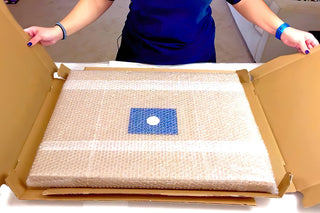
STEP 2 - SHIPPING
We ship your order. We send you an email to track the progress

STEP 3 - DELIVERY
You receive your order. You can also, according to your choice, be delivered to a relay point.
Matte finish
View from behind
Frame (optional)
In the vibrant universe of natural art, the piece "Papillons étrangers présents sur les trois continents Asie Afrique et Amérique Pl112" by Pieter Cramer stands out for its meticulous and poetic depiction of biodiversity. This emblematic work, rooted in the scientific illustration movement of the 18th century, transports us to a time when curiosity about the natural world was at its peak. Through this art print, we discover not only the beauty of butterflies but also the artist's commitment to capturing the very essence of nature. Cramer, as a keen observer, manages to immortalize these delicate creatures which, through their diversity and brilliance, evoke a sense of wonder and contemplation.
Style and uniqueness of the work
Pieter Cramer's style is characterized by scientific precision combined with undeniable artistic sensitivity. Each butterfly, whether originating from Asia, Africa, or America, is depicted with a level of detail that transcends simple illustration. The vibrant colors and complex wing patterns are rendered with such finesse that they seem to come alive on the paper. Cramer does not merely reproduce reality; he invites the viewer to immerse themselves in a universe where natural beauty is celebrated. The work demonstrates an innovative approach, where art and science meet, allowing for a deeper understanding of nature. Butterflies, often symbols of transformation and lightness, become ambassadors of biological diversity here, reminding everyone of the importance of preserving our environment.
The artist and his influence
Pieter Cramer, Dutch naturalist and illustrator, left his mark on his era through his dedication to the study of insects. His work is part of a broader movement of exploration and classification of the natural world, which emerged at a time when travel and geographic discoveries were flourishing. Cramer skillfully combined his artistic talents with scientific rigor, becoming an emblematic figure of entomological illustration. His work has not only influenced
12,34 €