
Art print Butterflies from different countries present on the three continents Asia, Africa, and America Pl092 - Pieter Cramer


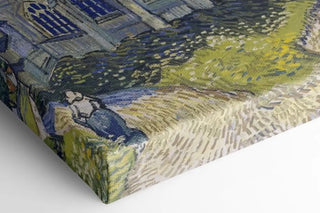
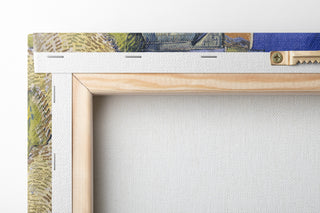
View from behind
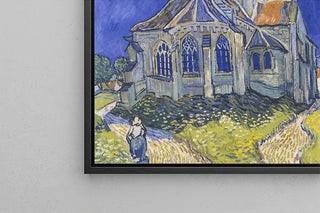
Frame (optional)
In the vast universe of naturalist art, the artwork "Papillons étrangers présents sur les trois continents Asie Afrique et Amérique Pl092" by Pieter Cramer stands out for its delicacy and striking realism. This meticulous depiction of butterflies, often seen as symbols of beauty and transformation, invites viewers to contemplate the richness of nature through an artistic lens. Immersing oneself in this piece transports one to distant landscapes, where the diversity of species evokes the magnificence of global biodiversity. Cramer, through his talent, manages to capture not only the appearance of the butterflies but also their essence, grace, and fragility.
Style and uniqueness of the artwork
Pieter Cramer's style is characterized by meticulous attention to detail, an approach that makes each butterfly almost alive. The vibrant colors and complex patterns of these insects are rendered with precision that reflects rigorous observation and a deep respect for nature. Every wing, every shade of color is carefully crafted, creating a tableau that appears almost photographic. This artwork is not merely a simple illustration; it becomes a celebration of natural beauty and a tribute to the diversity of species present on our planet. The use of light and shadow enhances the three-dimensionality of the butterflies, making them appear as if they are about to take flight. Cramer succeeds in establishing a dialogue between the viewer and nature, making the observation experience not only aesthetic but also emotional.
The artist and his influence
Pieter Cramer, naturalist and illustrator of the 18th century, played a crucial role in the development of entomology as a scientific discipline. His works, notably his monumental publication "De Uitlandsche Kapellen," which documents butterflies from around the world, laid the foundations for the study of insects. Cramer did not merely catalog species; he depicted them with an artistic sense that inspired many artists and scientists after him. His innovative approach, combining scientific rigor with aesthetic sensitivity, helped to evolve the perception of insects.
Art print Butterflies from different countries present on the three continents Asia, Africa, and America Pl092 - Pieter Cramer

-10% FROM €95 IN PURCHASES
-15% FROM €195 IN PURCHASES
Regular price
- Unit price
- per
Tax included.
Free shipping
€4.90 / Free shipping on orders over €39
Satisfied or Money Back
Free returns within 30 days
10-year warranty
Our prints are guaranteed for 10 years
Any questions? We are here!
by email to contact@artemlegrand.com
THE STEPS OF YOUR ORDER

STEP 1 - ORDER PLACED
Your order has been confirmed and we are starting production
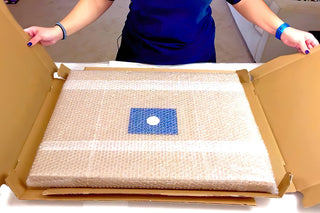
STEP 2 - SHIPPING
We ship your order. We send you an email to track the progress

STEP 3 - DELIVERY
You receive your order. You can also, according to your choice, be delivered to a relay point.
Matte finish
View from behind
Frame (optional)
In the vast universe of naturalist art, the artwork "Papillons étrangers présents sur les trois continents Asie Afrique et Amérique Pl092" by Pieter Cramer stands out for its delicacy and striking realism. This meticulous depiction of butterflies, often seen as symbols of beauty and transformation, invites viewers to contemplate the richness of nature through an artistic lens. Immersing oneself in this piece transports one to distant landscapes, where the diversity of species evokes the magnificence of global biodiversity. Cramer, through his talent, manages to capture not only the appearance of the butterflies but also their essence, grace, and fragility.
Style and uniqueness of the artwork
Pieter Cramer's style is characterized by meticulous attention to detail, an approach that makes each butterfly almost alive. The vibrant colors and complex patterns of these insects are rendered with precision that reflects rigorous observation and a deep respect for nature. Every wing, every shade of color is carefully crafted, creating a tableau that appears almost photographic. This artwork is not merely a simple illustration; it becomes a celebration of natural beauty and a tribute to the diversity of species present on our planet. The use of light and shadow enhances the three-dimensionality of the butterflies, making them appear as if they are about to take flight. Cramer succeeds in establishing a dialogue between the viewer and nature, making the observation experience not only aesthetic but also emotional.
The artist and his influence
Pieter Cramer, naturalist and illustrator of the 18th century, played a crucial role in the development of entomology as a scientific discipline. His works, notably his monumental publication "De Uitlandsche Kapellen," which documents butterflies from around the world, laid the foundations for the study of insects. Cramer did not merely catalog species; he depicted them with an artistic sense that inspired many artists and scientists after him. His innovative approach, combining scientific rigor with aesthetic sensitivity, helped to evolve the perception of insects.
12,34 €