
Art print Butterflies from different countries present on the three continents Asia, Africa, and America Pl072 - Pieter Cramer


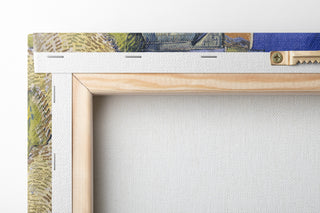
View from behind
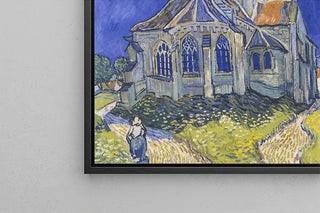
Frame (optional)
The artwork "Foreign butterflies present on the three continents Asia, Africa, and America Pl072" by Pieter Cramer stands as a true ode to the beauty and diversity of the natural world. In this composition, the artist invites us to explore a universe where each butterfly, delicately rendered, evokes not only the lightness of its flight but also the complexity of the ecosystems it inhabits. Cramer, as a naturalist and artist, manages to merge science and aesthetics, offering viewers a window into the richness of biodiversity. This art print, faithful to the original, allows for a renewed appreciation of Cramer's art from a new perspective, while celebrating the splendor of the insects that populate our planet.
Style and uniqueness of the work
Pieter Cramer's style is characterized by meticulous precision and a keen sense of detail. In "Foreign butterflies present on the three continents," each species is depicted with exceptional care, revealing nuances of color and distinctive patterns that make them unique. The artist employs engraving techniques that highlight the delicacy of the wings, creating a fascinating contrast between the apparent fragility of the butterflies and the strength of their presence. This piece stands out not only for its accuracy but also for its ability to capture the very essence of these ephemeral creatures. Cramer succeeds in transcending mere naturalistic representation to offer a true celebration of nature, inviting the viewer to admire the fleeting beauty of each specimen.
The artist and his influence
Pieter Cramer, born in the 18th century, is often regarded as one of the pioneers of artistic entomology. His work played a decisive role in documenting butterfly species, thus contributing to science while enriching the artistic landscape of his time. Cramer knew how to combine scientific rigor with artistic sensitivity, influencing many artists and naturalists who followed in his footsteps. His innovative approach helped popularize insect representations, making his works essential references for art enthusiasts and scientists alike. Cramer's legacy endures today, and his ability to marry art and
Art print Butterflies from different countries present on the three continents Asia, Africa, and America Pl072 - Pieter Cramer

-10% FROM €95 IN PURCHASES
-15% FROM €195 IN PURCHASES
Regular price
- Unit price
- per
Tax included.
Free shipping
€4.90 / Free shipping on orders over €39
Satisfied or Money Back
Free returns within 30 days
10-year warranty
Our prints are guaranteed for 10 years
Any questions? We are here!
by email to contact@artemlegrand.com
THE STEPS OF YOUR ORDER

STEP 1 - ORDER PLACED
Your order has been confirmed and we are starting production
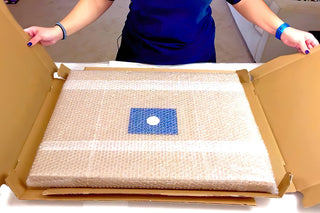
STEP 2 - SHIPPING
We ship your order. We send you an email to track the progress

STEP 3 - DELIVERY
You receive your order. You can also, according to your choice, be delivered to a relay point.
Matte finish
View from behind
Frame (optional)
The artwork "Foreign butterflies present on the three continents Asia, Africa, and America Pl072" by Pieter Cramer stands as a true ode to the beauty and diversity of the natural world. In this composition, the artist invites us to explore a universe where each butterfly, delicately rendered, evokes not only the lightness of its flight but also the complexity of the ecosystems it inhabits. Cramer, as a naturalist and artist, manages to merge science and aesthetics, offering viewers a window into the richness of biodiversity. This art print, faithful to the original, allows for a renewed appreciation of Cramer's art from a new perspective, while celebrating the splendor of the insects that populate our planet.
Style and uniqueness of the work
Pieter Cramer's style is characterized by meticulous precision and a keen sense of detail. In "Foreign butterflies present on the three continents," each species is depicted with exceptional care, revealing nuances of color and distinctive patterns that make them unique. The artist employs engraving techniques that highlight the delicacy of the wings, creating a fascinating contrast between the apparent fragility of the butterflies and the strength of their presence. This piece stands out not only for its accuracy but also for its ability to capture the very essence of these ephemeral creatures. Cramer succeeds in transcending mere naturalistic representation to offer a true celebration of nature, inviting the viewer to admire the fleeting beauty of each specimen.
The artist and his influence
Pieter Cramer, born in the 18th century, is often regarded as one of the pioneers of artistic entomology. His work played a decisive role in documenting butterfly species, thus contributing to science while enriching the artistic landscape of his time. Cramer knew how to combine scientific rigor with artistic sensitivity, influencing many artists and naturalists who followed in his footsteps. His innovative approach helped popularize insect representations, making his works essential references for art enthusiasts and scientists alike. Cramer's legacy endures today, and his ability to marry art and
12,34 €