
Painting Papillons étrangers présents sur les trois continents Asie Afrique et Amérique Pl056 - Pieter Cramer


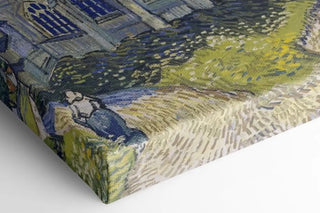
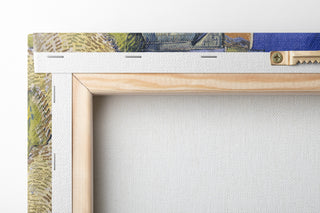
View from behind
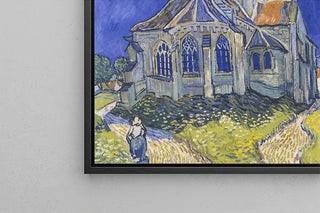
Frame (optional)
In a world where nature and art meet, the "Foreign butterflies present on the three continents Asia, Africa, and America" art print by Pieter Cramer stands as a true ode to the beauty and diversity of the living world. This iconic piece, which evokes the entomological richness of the three continents, invites viewers to a fascinating visual exploration. Through its meticulous details and vibrant colors, Cramer manages to capture the essence of butterflies, these ephemeral creatures symbolizing both the fragility and splendor of nature. Contemplating this art print transports the observer into a universe where each species tells a story, where science meets aesthetics, and where art transcends geographical boundaries.
Style and uniqueness of the work
Pieter Cramer's work is distinguished by its striking realism and scientific accuracy. Each butterfly is depicted with meticulous attention to detail, from the delicate patterns of their wings to the texture of their bodies. This attention to detail reflects a deep admiration for nature, as well as a desire to catalog and preserve the beauty of species. The choice of colors, ranging from pastel shades to more vivid hues, creates a visual harmony that draws the eye and captivates the imagination. Furthermore, the composition of the work, which juxtaposes different species on a single canvas, evokes a sense of movement and life, as if the butterflies are about to take flight. This unique approach makes this piece not only an art object but also a true scientific document of its time, demonstrating the growing interest in entomology in the 18th century.
The artist and his influence
Pieter Cramer, Dutch naturalist and artist, is often regarded as one of the pioneers of entomological illustration. His work has had a lasting impact on how insects are depicted in art and science. By combining his observation skills with a keen sense of aesthetics, Cramer established a link between science and art, paving the way for many artists and scientists who followed. His work
Painting Papillons étrangers présents sur les trois continents Asie Afrique et Amérique Pl056 - Pieter Cramer

-10% FROM €95 IN PURCHASES
-15% FROM €195 IN PURCHASES
Regular price
- Unit price
- per
Tax included.
Free shipping
€4.90 / Free shipping on orders over €39
Satisfied or Money Back
Free returns within 30 days
10-year warranty
Our prints are guaranteed for 10 years
Any questions? We are here!
by email to contact@artemlegrand.com
THE STEPS OF YOUR ORDER

STEP 1 - ORDER PLACED
Your order has been confirmed and we are starting production
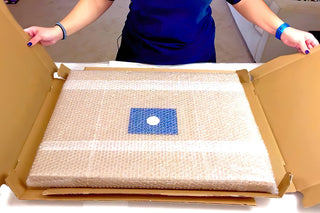
STEP 2 - SHIPPING
We ship your order. We send you an email to track the progress

STEP 3 - DELIVERY
You receive your order. You can also, according to your choice, be delivered to a relay point.
Matte finish
View from behind
Frame (optional)
In a world where nature and art meet, the "Foreign butterflies present on the three continents Asia, Africa, and America" art print by Pieter Cramer stands as a true ode to the beauty and diversity of the living world. This iconic piece, which evokes the entomological richness of the three continents, invites viewers to a fascinating visual exploration. Through its meticulous details and vibrant colors, Cramer manages to capture the essence of butterflies, these ephemeral creatures symbolizing both the fragility and splendor of nature. Contemplating this art print transports the observer into a universe where each species tells a story, where science meets aesthetics, and where art transcends geographical boundaries.
Style and uniqueness of the work
Pieter Cramer's work is distinguished by its striking realism and scientific accuracy. Each butterfly is depicted with meticulous attention to detail, from the delicate patterns of their wings to the texture of their bodies. This attention to detail reflects a deep admiration for nature, as well as a desire to catalog and preserve the beauty of species. The choice of colors, ranging from pastel shades to more vivid hues, creates a visual harmony that draws the eye and captivates the imagination. Furthermore, the composition of the work, which juxtaposes different species on a single canvas, evokes a sense of movement and life, as if the butterflies are about to take flight. This unique approach makes this piece not only an art object but also a true scientific document of its time, demonstrating the growing interest in entomology in the 18th century.
The artist and his influence
Pieter Cramer, Dutch naturalist and artist, is often regarded as one of the pioneers of entomological illustration. His work has had a lasting impact on how insects are depicted in art and science. By combining his observation skills with a keen sense of aesthetics, Cramer established a link between science and art, paving the way for many artists and scientists who followed. His work
12,34 €