
Painting Butterflies from different continents Asia Africa and America Pl048 - Pieter Cramer


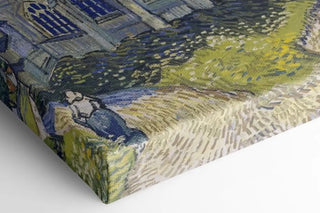
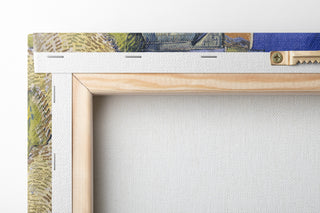
View from behind
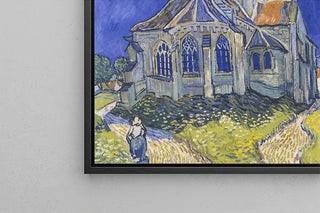
Frame (optional)
Reproduction of "Foreign butterflies present on the three continents Asia, Africa, and America" Pl048 - Pieter Cramer – Captivating introduction
The artwork "Foreign butterflies present on the three continents Asia, Africa, and America" by Pieter Cramer is a true ode to the beauty and diversity of the natural world. Immersing oneself in this creation, the viewer is transported to a universe where the delicacy of butterflies blends with the richness of the continents. Cramer, passionate about entomology, has captured not only the appearance of these ephemeral creatures but also their essence, symbolism, and place within the ecosystem. This art print invites exploration of the fascinating relationship between art and nature, while awakening an insatiable curiosity for the biodiversity that surrounds us.
Style and uniqueness of the work
Pieter Cramer's style is distinguished by meticulous precision and attention to detail. Each butterfly, carefully reproduced, seems to come to life on the paper, revealing patterns and colors of extraordinary richness. The work is characterized by a harmonious composition, where the butterflies are arranged to create a captivating visual balance. The delicate nuances of their wings, ranging from soft hues to vivid flashes, testify to rigorous observation and a deep respect for nature. Cramer does not merely depict specimens; he elevates them to the rank of complete works of art, inviting the viewer to contemplate the fleeting beauty of these creatures. The harmony between art and science is highlighted here, making this work unique in the artistic landscape of the 18th century.
The artist and his influence
Pieter Cramer, born in the 18th century, is often considered one of the pioneers of artistic entomology. His passion for insects and his desire to document them accurately made him an emblematic figure in the field of naturalist art. Influenced by the scientific currents of his time, he managed to combine scientific rigor with artistic sensitivity, thus creating a bridge between these two disciplines. His work has inspired many artists and scientists, and his influence still endures today. Studying his works reveals how art can serve as a vehicle for the
Painting Butterflies from different continents Asia Africa and America Pl048 - Pieter Cramer

-10% FROM €95 IN PURCHASES
-15% FROM €195 IN PURCHASES
Regular price
- Unit price
- per
Tax included.
Free shipping
€4.90 / Free shipping on orders over €39
Satisfied or Money Back
Free returns within 30 days
10-year warranty
Our prints are guaranteed for 10 years
Any questions? We are here!
by email to contact@artemlegrand.com
THE STEPS OF YOUR ORDER

STEP 1 - ORDER PLACED
Your order has been confirmed and we are starting production
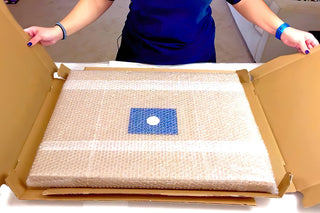
STEP 2 - SHIPPING
We ship your order. We send you an email to track the progress

STEP 3 - DELIVERY
You receive your order. You can also, according to your choice, be delivered to a relay point.
Matte finish
View from behind
Frame (optional)
Reproduction of "Foreign butterflies present on the three continents Asia, Africa, and America" Pl048 - Pieter Cramer – Captivating introduction
The artwork "Foreign butterflies present on the three continents Asia, Africa, and America" by Pieter Cramer is a true ode to the beauty and diversity of the natural world. Immersing oneself in this creation, the viewer is transported to a universe where the delicacy of butterflies blends with the richness of the continents. Cramer, passionate about entomology, has captured not only the appearance of these ephemeral creatures but also their essence, symbolism, and place within the ecosystem. This art print invites exploration of the fascinating relationship between art and nature, while awakening an insatiable curiosity for the biodiversity that surrounds us.
Style and uniqueness of the work
Pieter Cramer's style is distinguished by meticulous precision and attention to detail. Each butterfly, carefully reproduced, seems to come to life on the paper, revealing patterns and colors of extraordinary richness. The work is characterized by a harmonious composition, where the butterflies are arranged to create a captivating visual balance. The delicate nuances of their wings, ranging from soft hues to vivid flashes, testify to rigorous observation and a deep respect for nature. Cramer does not merely depict specimens; he elevates them to the rank of complete works of art, inviting the viewer to contemplate the fleeting beauty of these creatures. The harmony between art and science is highlighted here, making this work unique in the artistic landscape of the 18th century.
The artist and his influence
Pieter Cramer, born in the 18th century, is often considered one of the pioneers of artistic entomology. His passion for insects and his desire to document them accurately made him an emblematic figure in the field of naturalist art. Influenced by the scientific currents of his time, he managed to combine scientific rigor with artistic sensitivity, thus creating a bridge between these two disciplines. His work has inspired many artists and scientists, and his influence still endures today. Studying his works reveals how art can serve as a vehicle for the
12,34 €