
Painting Butterflies from Asia, Africa, and America on three continents pl023 - Pieter Cramer


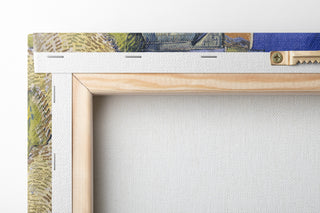
View from behind
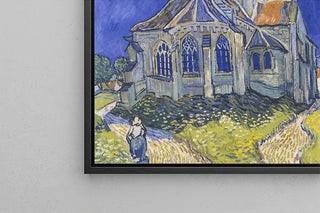
Frame (optional)
The foreign butterflies present on the three continents of Asia, Africa, and America pl023 - Pieter Cramer – Captivating introduction
In the vibrant universe of art history, certain works stand out for their ability to capture the essence of nature while evoking universal themes. The art print of the foreign butterflies present on the three continents of Asia, Africa, and America pl023 - Pieter Cramer is a perfect example. This piece, which unfolds like an ode to the beauty and diversity of species, takes the viewer on a visual journey across continents. The butterflies, symbols of transformation and lightness, are presented here in all their splendor, inviting reflection on the richness of biodiversity. Cramer, through his talent, manages to immortalize these ephemeral creatures, offering a window into a world that is both fragile and fascinating.
Style and uniqueness of the work
Pieter Cramer's style is characterized by meticulous precision and a keen sense of detail. In this piece, each butterfly is rendered with a delicacy that demonstrates a deep respect for nature. The vibrant colors and delicate wing patterns seem almost tangible, creating an illusion of movement that brings the composition to life. Cramer does not merely depict these insects; he elevates them to the status of complete works of art. The subtle nuances of each species, their harmonious arrangement on the canvas, and the carefully chosen background contribute to an atmosphere that is both serene and dynamic. This unique approach allows the viewer to immerse themselves in the work, explore every detail, and feel the wonder inspired by nature.
The artist and his influence
Pieter Cramer, entomologist and artist, was able to combine science and art in his creations. Active in the 18th century, he dedicated a large part of his life to the study of insects, particularly butterflies. His work reflects an era when observing nature was both a passion and a scientific field of study. Cramer contributed to the classification of species, while representing them with such finesse that he left a lasting imprint in the world of naturalist art. His influence is felt not only
Painting Butterflies from Asia, Africa, and America on three continents pl023 - Pieter Cramer

-10% FROM €95 IN PURCHASES
-15% FROM €195 IN PURCHASES
Regular price
- Unit price
- per
Tax included.
Free shipping
€4.90 / Free shipping on orders over €39
Satisfied or Money Back
Free returns within 30 days
10-year warranty
Our prints are guaranteed for 10 years
Any questions? We are here!
by email to contact@artemlegrand.com
THE STEPS OF YOUR ORDER

STEP 1 - ORDER PLACED
Your order has been confirmed and we are starting production
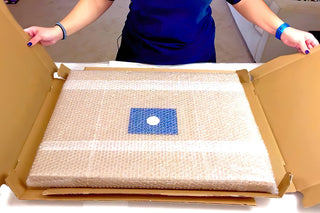
STEP 2 - SHIPPING
We ship your order. We send you an email to track the progress

STEP 3 - DELIVERY
You receive your order. You can also, according to your choice, be delivered to a relay point.
Matte finish
View from behind
Frame (optional)
The foreign butterflies present on the three continents of Asia, Africa, and America pl023 - Pieter Cramer – Captivating introduction
In the vibrant universe of art history, certain works stand out for their ability to capture the essence of nature while evoking universal themes. The art print of the foreign butterflies present on the three continents of Asia, Africa, and America pl023 - Pieter Cramer is a perfect example. This piece, which unfolds like an ode to the beauty and diversity of species, takes the viewer on a visual journey across continents. The butterflies, symbols of transformation and lightness, are presented here in all their splendor, inviting reflection on the richness of biodiversity. Cramer, through his talent, manages to immortalize these ephemeral creatures, offering a window into a world that is both fragile and fascinating.
Style and uniqueness of the work
Pieter Cramer's style is characterized by meticulous precision and a keen sense of detail. In this piece, each butterfly is rendered with a delicacy that demonstrates a deep respect for nature. The vibrant colors and delicate wing patterns seem almost tangible, creating an illusion of movement that brings the composition to life. Cramer does not merely depict these insects; he elevates them to the status of complete works of art. The subtle nuances of each species, their harmonious arrangement on the canvas, and the carefully chosen background contribute to an atmosphere that is both serene and dynamic. This unique approach allows the viewer to immerse themselves in the work, explore every detail, and feel the wonder inspired by nature.
The artist and his influence
Pieter Cramer, entomologist and artist, was able to combine science and art in his creations. Active in the 18th century, he dedicated a large part of his life to the study of insects, particularly butterflies. His work reflects an era when observing nature was both a passion and a scientific field of study. Cramer contributed to the classification of species, while representing them with such finesse that he left a lasting imprint in the world of naturalist art. His influence is felt not only
12,34 €