
Art print Flour of flowers observed under the microscope - Robert John Thornton | Art print


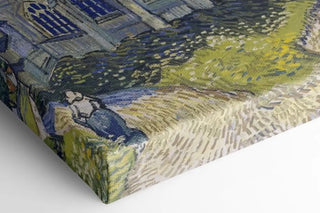
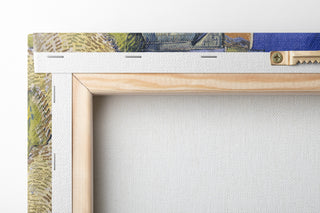
View from behind
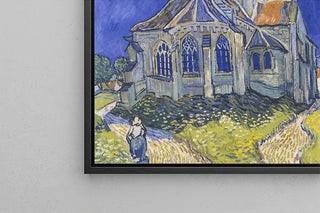
Frame (optional)
In the fascinating world of botanical art, the piece titled "Farine de fleurs observée au microscope" by Robert John Thornton stands out for its ability to blend science and aesthetics. This work, both scientific and artistic, invites viewers to delve into the microscopic universe of flowers, revealing an unsuspected beauty that escapes the naked eye. By exploring the intricate details of floral structures, Thornton offers a unique vision where the rigor of scientific observation merges with the delicacy of art. The art print of this piece, both informative and poetic, allows appreciation of nature's richness from a new perspective, transforming our perception of flowers into a captivating visual experience.
Style and uniqueness of the work
Thornton's work is characterized by remarkable precision, typical of 18th-century botanical illustrations. Every detail is carefully rendered, from the delicate textures of the petals to the subtle nuances of color. This level of detail reflects meticulous observation and a deep understanding of floral biology. Using the microscope as an exploration tool, Thornton does not merely depict flowers as they appear to the naked eye but reveals a hidden world where each cell and filament comes to life. The composition of the work, both harmonious and balanced, draws the eye and invites prolonged contemplation. The juxtaposition of scientific rigor and artistic aesthetics creates a piece that transcends genres, offering a visual experience that is both educational and emotional.
The artist and his influence
Robert John Thornton, botanist and artist, played a key role in the rise of botanical illustration in the 18th century. His passion for botany and artistic talent allowed him to stand out in a field where precision and beauty must coexist. Thornton not only contributed to documenting floral species but also influenced many artists and scientists of his time. His work is a testament to the interconnectedness of art and science, a principle that continues to inspire contemporary creators. By incorporating elements of nature into his work, Thornton
Art print Flour of flowers observed under the microscope - Robert John Thornton | Art print

-10% FROM €95 IN PURCHASES
-15% FROM €195 IN PURCHASES
Regular price
- Unit price
- per
Tax included.
Free shipping
€4.90 / Free shipping on orders over €39
Satisfied or Money Back
Free returns within 30 days
10-year warranty
Our prints are guaranteed for 10 years
Any questions? We are here!
by email to contact@artemlegrand.com
THE STEPS OF YOUR ORDER

STEP 1 - ORDER PLACED
Your order has been confirmed and we are starting production
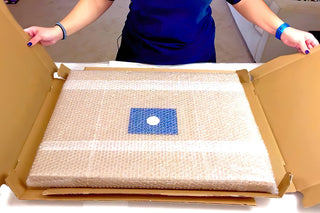
STEP 2 - SHIPPING
We ship your order. We send you an email to track the progress

STEP 3 - DELIVERY
You receive your order. You can also, according to your choice, be delivered to a relay point.
Matte finish
View from behind
Frame (optional)
In the fascinating world of botanical art, the piece titled "Farine de fleurs observée au microscope" by Robert John Thornton stands out for its ability to blend science and aesthetics. This work, both scientific and artistic, invites viewers to delve into the microscopic universe of flowers, revealing an unsuspected beauty that escapes the naked eye. By exploring the intricate details of floral structures, Thornton offers a unique vision where the rigor of scientific observation merges with the delicacy of art. The art print of this piece, both informative and poetic, allows appreciation of nature's richness from a new perspective, transforming our perception of flowers into a captivating visual experience.
Style and uniqueness of the work
Thornton's work is characterized by remarkable precision, typical of 18th-century botanical illustrations. Every detail is carefully rendered, from the delicate textures of the petals to the subtle nuances of color. This level of detail reflects meticulous observation and a deep understanding of floral biology. Using the microscope as an exploration tool, Thornton does not merely depict flowers as they appear to the naked eye but reveals a hidden world where each cell and filament comes to life. The composition of the work, both harmonious and balanced, draws the eye and invites prolonged contemplation. The juxtaposition of scientific rigor and artistic aesthetics creates a piece that transcends genres, offering a visual experience that is both educational and emotional.
The artist and his influence
Robert John Thornton, botanist and artist, played a key role in the rise of botanical illustration in the 18th century. His passion for botany and artistic talent allowed him to stand out in a field where precision and beauty must coexist. Thornton not only contributed to documenting floral species but also influenced many artists and scientists of his time. His work is a testament to the interconnectedness of art and science, a principle that continues to inspire contemporary creators. By incorporating elements of nature into his work, Thornton
12,34 €