
Art print of Flemish Eurasian Jay Garrulus glandarius (Cas Conflit) - Anselmus Botius de Boodt


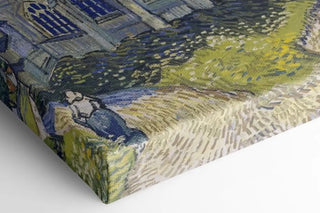
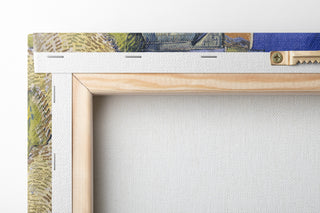
View from behind
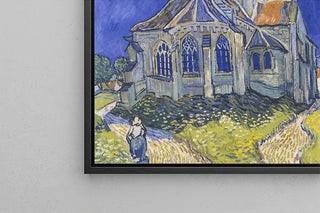
Frame (optional)
Art print Vlaamse gaai Garrulus glandarius (Cas Conflit) - Anselmus Botius de Boodt – Captivating introduction
At the heart of Flemish art, the work "Vlaamse gaai Garrulus glandarius (Cas Conflit)" by Anselmus Botius de Boodt stands as a vibrant testament to the richness of nature and the complexity of relationships between living beings. Capturing a fleeting moment, this depiction of a Eurasian jay, both majestic and unsettling, invites us to delve into a universe where harmony and conflict coexist. The finesse of the details and the intensity of the colors evoke the ephemeral beauty of life, while highlighting the fragility of existence. By contemplating this piece, the viewer is transported into a silent dialogue between art and nature, a conversation where each feather, each shadow, tells a story.
Style and uniqueness of the work
Anselmus Botius de Boodt's style is characterized by a naturalist approach that transcends mere representation. In "Vlaamse gaai Garrulus glandarius (Cas Conflit)", the artist employs a range of techniques that reveal not only the beauty of the subject but also its complexity. The play of light on the jay's plumage, the subtle nuances of color, and the meticulous details of its environment demonstrate exceptional craftsmanship. The work stands out for its balance between realism and aesthetics, where each element is carefully arranged to create a harmonious composition. This painting does not merely depict a bird; it captures an essence, an emotion, and prompts us to reflect on our own place in the natural world.
The artist and his influence
Anselmus Botius de Boodt, naturalist and artist of the 17th century, skillfully combined his passions for science and art. His work reflects an era when the observation of nature was both an art and a science. As a scholar, he contributed to the understanding of animal and plant species, while immortalizing them on canvas. His influence extends beyond his time, inspiring many artists who sought to capture the beauty and complexity
Art print of Flemish Eurasian Jay Garrulus glandarius (Cas Conflit) - Anselmus Botius de Boodt

-10% FROM €95 IN PURCHASES
-15% FROM €195 IN PURCHASES
Regular price
- Unit price
- per
Free shipping
€4.90 / Free shipping on orders over €39
Satisfied or Money Back
Free returns within 30 days
10-year warranty
Our prints are guaranteed for 10 years
Any questions? We are here!
by email to contact@artemlegrand.com
THE STEPS OF YOUR ORDER

STEP 1 - ORDER PLACED
Your order has been confirmed and we are starting production
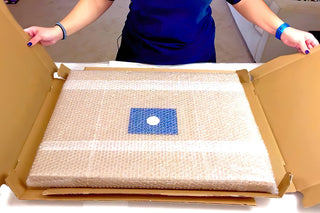
STEP 2 - SHIPPING
We ship your order. We send you an email to track the progress

STEP 3 - DELIVERY
You receive your order. You can also, according to your choice, be delivered to a relay point.
Matte finish
View from behind
Frame (optional)
Art print Vlaamse gaai Garrulus glandarius (Cas Conflit) - Anselmus Botius de Boodt – Captivating introduction
At the heart of Flemish art, the work "Vlaamse gaai Garrulus glandarius (Cas Conflit)" by Anselmus Botius de Boodt stands as a vibrant testament to the richness of nature and the complexity of relationships between living beings. Capturing a fleeting moment, this depiction of a Eurasian jay, both majestic and unsettling, invites us to delve into a universe where harmony and conflict coexist. The finesse of the details and the intensity of the colors evoke the ephemeral beauty of life, while highlighting the fragility of existence. By contemplating this piece, the viewer is transported into a silent dialogue between art and nature, a conversation where each feather, each shadow, tells a story.
Style and uniqueness of the work
Anselmus Botius de Boodt's style is characterized by a naturalist approach that transcends mere representation. In "Vlaamse gaai Garrulus glandarius (Cas Conflit)", the artist employs a range of techniques that reveal not only the beauty of the subject but also its complexity. The play of light on the jay's plumage, the subtle nuances of color, and the meticulous details of its environment demonstrate exceptional craftsmanship. The work stands out for its balance between realism and aesthetics, where each element is carefully arranged to create a harmonious composition. This painting does not merely depict a bird; it captures an essence, an emotion, and prompts us to reflect on our own place in the natural world.
The artist and his influence
Anselmus Botius de Boodt, naturalist and artist of the 17th century, skillfully combined his passions for science and art. His work reflects an era when the observation of nature was both an art and a science. As a scholar, he contributed to the understanding of animal and plant species, while immortalizing them on canvas. His influence extends beyond his time, inspiring many artists who sought to capture the beauty and complexity