
Painting Flagellation - Jan Provoost | Art print


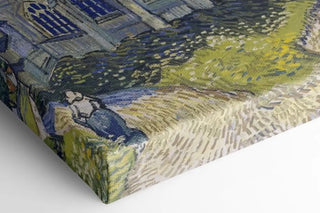
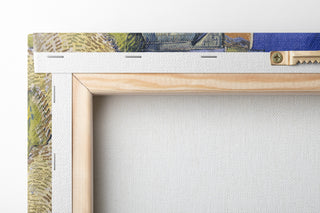
View from behind
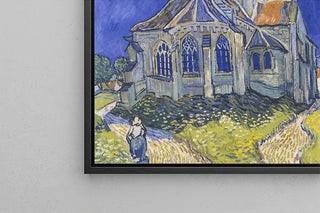
Frame (optional)
Reproduction Flagellation - Jan Provoost – Engaging Introduction
Jan Provoost's "Flagellation" is an iconic artwork that immerses the viewer in the dramatic intensity of human suffering. Painted in the early 16th century, this masterful piece reflects the spiritual torments and inner struggles characteristic of the Renaissance era. The scene vividly depicts the moment when Christ is whipped—a recurring theme in religious art, but here approached with rare emotional depth. The figures, frozen in expressions of pain and compassion, invite reflection on suffering and sacrifice—universal themes that still resonate today. Provoost's work does not merely depict a biblical event; it captures the very essence of humanity, questioning our relationship with pain and redemption.
Style and uniqueness of the artwork
Jan Provoost's style is distinguished by an exceptional mastery of color and light, which lend his compositions a solemn yet poignant atmosphere. In the "Flagellation," dark hues are skillfully contrasted by bursts of light that highlight the faces and bodies of the characters. Every detail is carefully crafted, from the folds of clothing to facial expressions, revealing the psychological depth of the protagonists. The composition is dynamic, with staging that guides the viewer's gaze across the scene, creating an immersive experience. Provoost also employs a learned perspective, enhancing the sense of depth and space, allowing the viewer to feel almost present with the characters themselves. This unique stylistic approach makes the "Flagellation" a captivating work that transcends mere representation.
The artist and his influence
Jan Provoost, often regarded as one of the masters of the Flemish school, skillfully combined tradition and innovation in his work. Trained in a rich artistic context, he was influenced by the great masters of his time while developing his own voice. His ability to capture human emotion and treat religious themes with such intensity makes him an essential figure of the Renaissance. Provoost's influence extends beyond his era.
Painting Flagellation - Jan Provoost | Art print

-10% FROM €95 IN PURCHASES
-15% FROM €195 IN PURCHASES
Regular price
- Unit price
- per
Tax included.
Free shipping
€4.90 / Free shipping on orders over €39
Satisfied or Money Back
Free returns within 30 days
10-year warranty
Our prints are guaranteed for 10 years
Any questions? We are here!
by email to contact@artemlegrand.com
THE STEPS OF YOUR ORDER

STEP 1 - ORDER PLACED
Your order has been confirmed and we are starting production
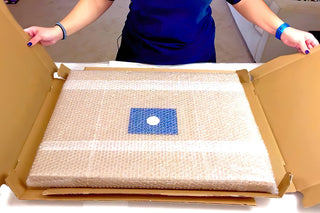
STEP 2 - SHIPPING
We ship your order. We send you an email to track the progress

STEP 3 - DELIVERY
You receive your order. You can also, according to your choice, be delivered to a relay point.
Matte finish
View from behind
Frame (optional)
Reproduction Flagellation - Jan Provoost – Engaging Introduction
Jan Provoost's "Flagellation" is an iconic artwork that immerses the viewer in the dramatic intensity of human suffering. Painted in the early 16th century, this masterful piece reflects the spiritual torments and inner struggles characteristic of the Renaissance era. The scene vividly depicts the moment when Christ is whipped—a recurring theme in religious art, but here approached with rare emotional depth. The figures, frozen in expressions of pain and compassion, invite reflection on suffering and sacrifice—universal themes that still resonate today. Provoost's work does not merely depict a biblical event; it captures the very essence of humanity, questioning our relationship with pain and redemption.
Style and uniqueness of the artwork
Jan Provoost's style is distinguished by an exceptional mastery of color and light, which lend his compositions a solemn yet poignant atmosphere. In the "Flagellation," dark hues are skillfully contrasted by bursts of light that highlight the faces and bodies of the characters. Every detail is carefully crafted, from the folds of clothing to facial expressions, revealing the psychological depth of the protagonists. The composition is dynamic, with staging that guides the viewer's gaze across the scene, creating an immersive experience. Provoost also employs a learned perspective, enhancing the sense of depth and space, allowing the viewer to feel almost present with the characters themselves. This unique stylistic approach makes the "Flagellation" a captivating work that transcends mere representation.
The artist and his influence
Jan Provoost, often regarded as one of the masters of the Flemish school, skillfully combined tradition and innovation in his work. Trained in a rich artistic context, he was influenced by the great masters of his time while developing his own voice. His ability to capture human emotion and treat religious themes with such intensity makes him an essential figure of the Renaissance. Provoost's influence extends beyond his era.
12,34 €