
Art print Nourrir les animaux de compagnie - Giuseppe Zannoni | Art print


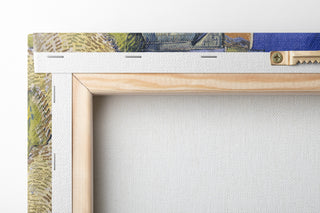
View from behind
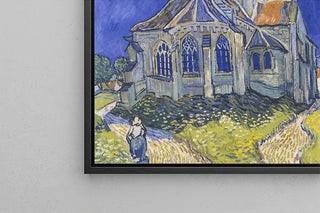
Frame (optional)
In the rich and captivating universe of art, some works manage to capture the essence of everyday life with such delicacy that they transcend their era. "Feeding Pets - Giuseppe Zannoni" is one of these iconic pieces. This painting, a true ode to tenderness and the bond between humans and animals, immerses us in a suspended moment where the simple act of feeding becomes a celebration of life. Through the meticulous depiction of animals and scene details, Zannoni invites us to share a moment of softness and harmony, evoking memories of a time when nature and humanity coexisted in perfect symbiosis.
Style and uniqueness of the work
Giuseppe Zannoni's style is distinguished by remarkable attention to detail and a color palette that evokes warmth and conviviality. In "Feeding Pets," every element is carefully considered: from the textures of the fur to the nuances of the food, everything contributes to creating an atmosphere of serenity. The treatment of light is also essential, with Zannoni skillfully playing with shadows to bring his subjects to life. This art print does not merely depict a scene; it tells a story, that of a deep bond between humans and their four-legged companions. The composition is balanced, and each character, whether human or animal, occupies a well-defined space, thus reinforcing the harmony of the whole. This piece is a true testament to the art of living, where the simplicity of daily gestures is highlighted with elegance.
The artist and his influence
Giuseppe Zannoni, an 18th-century painter, is often recognized for his innovative approach and his ability to capture human emotions through his works. Influenced by the great masters of his time, he developed a personal style that combines realism and romanticism. His work on the relationship between humans and animals is particularly striking, and "Feeding Pets" is a perfect illustration of this. Zannoni established himself in the artistic landscape of his era, inspiring many artists to explore similar themes. His legacy endures,
Art print Nourrir les animaux de compagnie - Giuseppe Zannoni | Art print

-10% FROM €95 IN PURCHASES
-15% FROM €195 IN PURCHASES
Regular price
- Unit price
- per
Tax included.
Free shipping
€4.90 / Free shipping on orders over €39
Satisfied or Money Back
Free returns within 30 days
10-year warranty
Our prints are guaranteed for 10 years
Any questions? We are here!
by email to contact@artemlegrand.com
THE STEPS OF YOUR ORDER

STEP 1 - ORDER PLACED
Your order has been confirmed and we are starting production
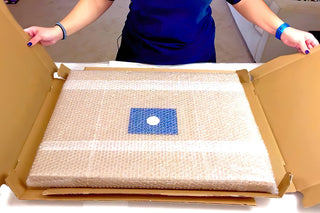
STEP 2 - SHIPPING
We ship your order. We send you an email to track the progress

STEP 3 - DELIVERY
You receive your order. You can also, according to your choice, be delivered to a relay point.
Matte finish
View from behind
Frame (optional)
In the rich and captivating universe of art, some works manage to capture the essence of everyday life with such delicacy that they transcend their era. "Feeding Pets - Giuseppe Zannoni" is one of these iconic pieces. This painting, a true ode to tenderness and the bond between humans and animals, immerses us in a suspended moment where the simple act of feeding becomes a celebration of life. Through the meticulous depiction of animals and scene details, Zannoni invites us to share a moment of softness and harmony, evoking memories of a time when nature and humanity coexisted in perfect symbiosis.
Style and uniqueness of the work
Giuseppe Zannoni's style is distinguished by remarkable attention to detail and a color palette that evokes warmth and conviviality. In "Feeding Pets," every element is carefully considered: from the textures of the fur to the nuances of the food, everything contributes to creating an atmosphere of serenity. The treatment of light is also essential, with Zannoni skillfully playing with shadows to bring his subjects to life. This art print does not merely depict a scene; it tells a story, that of a deep bond between humans and their four-legged companions. The composition is balanced, and each character, whether human or animal, occupies a well-defined space, thus reinforcing the harmony of the whole. This piece is a true testament to the art of living, where the simplicity of daily gestures is highlighted with elegance.
The artist and his influence
Giuseppe Zannoni, an 18th-century painter, is often recognized for his innovative approach and his ability to capture human emotions through his works. Influenced by the great masters of his time, he developed a personal style that combines realism and romanticism. His work on the relationship between humans and animals is particularly striking, and "Feeding Pets" is a perfect illustration of this. Zannoni established himself in the artistic landscape of his era, inspiring many artists to explore similar themes. His legacy endures,
12,34 €