
Painting Father Forgives You - Karl Wilhelm Diefenbach | Art print


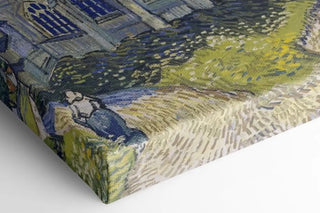
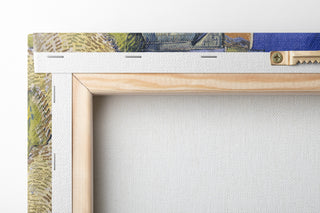
View from behind
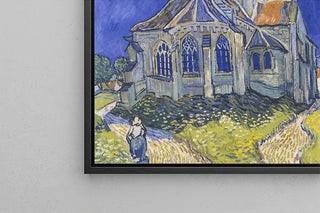
Frame (optional)
In the vast panorama of art history, some works stand out for their ability to transcend time and evoke profound reflections. "Père te pardonne" by Karl Wilhelm Diefenbach is one of these iconic pieces. Created at the end of the 19th century, this artwork invites viewers to immerse themselves in a universe where spirituality and humanity meet. It explores the universal theme of forgiveness, a concept as old as humanity itself, yet always relevant. Through vibrant colors and expressive forms, Diefenbach manages to capture the very essence of this complex emotion, offering a contemplative experience for those who take the time to observe it.
Style and uniqueness of the artwork
Diefenbach's style is both bold and deeply rooted in the artistic traditions of his era. "Père te pardonne" stands out for its use of light and color, which seem to dance across the canvas, creating an almost mystical atmosphere. The human figures, though stylized, possess an expressiveness that touches the heart. Diefenbach skillfully plays with contrasts, highlighting the emotions of the characters through gestures and meaningful gazes. This piece is also characterized by a harmonious composition, where each element finds its place in perfect balance, reinforcing the message of redemption and mutual understanding. By moving away from academic conventions, Diefenbach succeeded in creating a unique visual language that continues to resonate with art enthusiasts.
The artist and his influence
Karl Wilhelm Diefenbach, an emblematic figure of the symbolist movement, left his mark on his era with his innovative artistic vision. Born in 1851, he was influenced by the progressive ideas of his time, particularly regarding spirituality and nature. Diefenbach often explored themes related to humanity and transcendence, seeking to establish a connection between man and the divine. His work inspired many contemporary artists, while also foreshadowing 20th-century artistic movements. By incorporating elements of nature into his compositions, he also contributed
Painting Father Forgives You - Karl Wilhelm Diefenbach | Art print

-10% FROM €95 IN PURCHASES
-15% FROM €195 IN PURCHASES
Regular price
- Unit price
- per
Tax included.
Free shipping
€4.90 / Free shipping on orders over €39
Satisfied or Money Back
Free returns within 30 days
10-year warranty
Our prints are guaranteed for 10 years
Any questions? We are here!
by email to contact@artemlegrand.com
THE STEPS OF YOUR ORDER
STEP 1 - ORDER PLACED
Your order has been confirmed and we are starting production
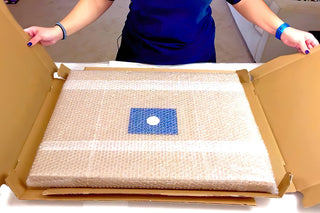
STEP 2 - SHIPPING
We ship your order. We send you an email to track the progress

STEP 3 - DELIVERY
You receive your order. You can also, according to your choice, be delivered to a relay point.
Matte finish
View from behind
Frame (optional)
In the vast panorama of art history, some works stand out for their ability to transcend time and evoke profound reflections. "Père te pardonne" by Karl Wilhelm Diefenbach is one of these iconic pieces. Created at the end of the 19th century, this artwork invites viewers to immerse themselves in a universe where spirituality and humanity meet. It explores the universal theme of forgiveness, a concept as old as humanity itself, yet always relevant. Through vibrant colors and expressive forms, Diefenbach manages to capture the very essence of this complex emotion, offering a contemplative experience for those who take the time to observe it.
Style and uniqueness of the artwork
Diefenbach's style is both bold and deeply rooted in the artistic traditions of his era. "Père te pardonne" stands out for its use of light and color, which seem to dance across the canvas, creating an almost mystical atmosphere. The human figures, though stylized, possess an expressiveness that touches the heart. Diefenbach skillfully plays with contrasts, highlighting the emotions of the characters through gestures and meaningful gazes. This piece is also characterized by a harmonious composition, where each element finds its place in perfect balance, reinforcing the message of redemption and mutual understanding. By moving away from academic conventions, Diefenbach succeeded in creating a unique visual language that continues to resonate with art enthusiasts.
The artist and his influence
Karl Wilhelm Diefenbach, an emblematic figure of the symbolist movement, left his mark on his era with his innovative artistic vision. Born in 1851, he was influenced by the progressive ideas of his time, particularly regarding spirituality and nature. Diefenbach often explored themes related to humanity and transcendence, seeking to establish a connection between man and the divine. His work inspired many contemporary artists, while also foreshadowing 20th-century artistic movements. By incorporating elements of nature into his compositions, he also contributed
12,34 €