
Art print Facade of the Abu Simbel temple - Hector Horeau


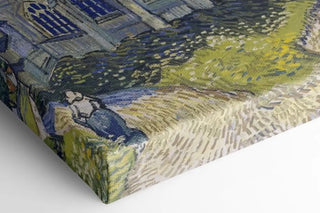
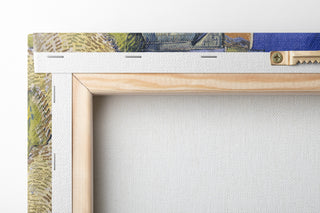
View from behind
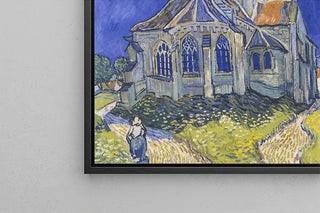
Frame (optional)
The "Facade of the Abu Simbel temple" by Hector Horeau is much more than a simple representation of an ancient monument; it is an entryway into the fascinating history of Pharaonic Egypt. Created in the 19th century, this work reflects a pivotal moment when Orientalism and modern archaeology intersect. Horeau, as an artist and architect, captured the majestic essence of this iconic site, erected by Ramses II. The significance of this facade lies not only in its aesthetic appeal but also in its symbolic role, embodying the power and grandeur of a bygone era. Immersed in a world where the sacred and the profane intertwine, this piece invites viewers to explore the mysteries of ancient Egypt.
Style and uniqueness of the work
The style of the "Facade of the Abu Simbel temple" is distinguished by meticulous detail and fidelity to Egyptian architecture. Horeau, a true scholar, skillfully rendered the nuances of the carved reliefs and hieroglyphic inscriptions adorning the facade. The majestic proportions of the colossal statues, depicting Ramses II and his protective deities, are highlighted by subtle lighting that plays on the textures of the stone. The artist manages to infuse a dynamic quality into this static representation, suggesting that these imposing figures are both guardians of the past and silent witnesses to history. The color palette, though limited, evokes the warmth of sand and the richness of the materials used, creating an immersive atmosphere that transports viewers to the heart of the Egyptian desert.
The artist and his influence
Hector Horeau, an emblematic figure of the Orientalist movement, left his mark on his era through his passion for ancient Egypt. His work goes beyond mere art print of edifices; it is part of a quest to understand and appreciate ancient art. Influenced by archaeological discoveries of his time, Horeau pioneered by combining meticulous observation with
Art print Facade of the Abu Simbel temple - Hector Horeau

-10% FROM €95 IN PURCHASES
-15% FROM €195 IN PURCHASES
Regular price
- Unit price
- per
Tax included.
Free shipping
€4.90 / Free shipping on orders over €39
Satisfied or Money Back
Free returns within 30 days
10-year warranty
Our prints are guaranteed for 10 years
Any questions? We are here!
by email to contact@artemlegrand.com
THE STEPS OF YOUR ORDER

STEP 1 - ORDER PLACED
Your order has been confirmed and we are starting production
STEP 2 - SHIPPING
We ship your order. We send you an email to track the progress

STEP 3 - DELIVERY
You receive your order. You can also, according to your choice, be delivered to a relay point.
Matte finish
View from behind
Frame (optional)
The "Facade of the Abu Simbel temple" by Hector Horeau is much more than a simple representation of an ancient monument; it is an entryway into the fascinating history of Pharaonic Egypt. Created in the 19th century, this work reflects a pivotal moment when Orientalism and modern archaeology intersect. Horeau, as an artist and architect, captured the majestic essence of this iconic site, erected by Ramses II. The significance of this facade lies not only in its aesthetic appeal but also in its symbolic role, embodying the power and grandeur of a bygone era. Immersed in a world where the sacred and the profane intertwine, this piece invites viewers to explore the mysteries of ancient Egypt.
Style and uniqueness of the work
The style of the "Facade of the Abu Simbel temple" is distinguished by meticulous detail and fidelity to Egyptian architecture. Horeau, a true scholar, skillfully rendered the nuances of the carved reliefs and hieroglyphic inscriptions adorning the facade. The majestic proportions of the colossal statues, depicting Ramses II and his protective deities, are highlighted by subtle lighting that plays on the textures of the stone. The artist manages to infuse a dynamic quality into this static representation, suggesting that these imposing figures are both guardians of the past and silent witnesses to history. The color palette, though limited, evokes the warmth of sand and the richness of the materials used, creating an immersive atmosphere that transports viewers to the heart of the Egyptian desert.
The artist and his influence
Hector Horeau, an emblematic figure of the Orientalist movement, left his mark on his era through his passion for ancient Egypt. His work goes beyond mere art print of edifices; it is part of a quest to understand and appreciate ancient art. Influenced by archaeological discoveries of his time, Horeau pioneered by combining meticulous observation with
12,34 €