
Art print Fin du travail - Jules Breton | Art print


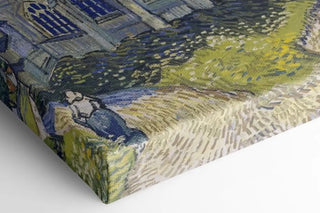
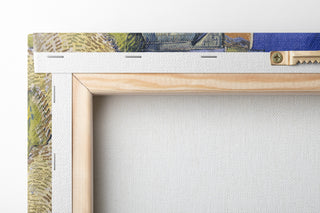
View from behind
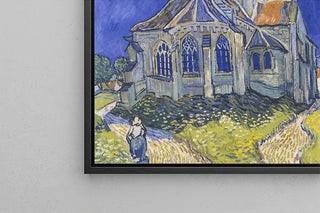
Frame (optional)
In a world where art transcends eras, "End of Work" by Jules Breton stands as an ode to simplicity and the beauty of everyday life. This artwork, capturing a moment of rest after a laborious day, immerses us in the rural universe of the 19th century, where toil and nature intertwine harmoniously. The artist, with his delicate brushwork, invites us to contemplate the serenity emanating from this pastoral scene, while also prompting reflection on the relationship between man and his environment. The golden light of dusk, the faces marked by fatigue but also satisfaction, remind us of the importance of work in human life, while celebrating the beauty of simple moments.
Style and uniqueness of the work
Jules Breton's style is characterized by meticulous attention to detail and mastery of light play, which give his paintings a unique atmosphere. In "End of Work," the artist uses warm colors and a rich palette that evoke the softness of a late afternoon. The figures, dressed in traditional costumes, seem almost alive, their expressions conveying a range of emotions from exhaustion to inner peace. The composition, where human figures are integrated into a bucolic landscape, creates a harmonious balance between man and nature. This singularity also manifests in Breton's ability to capture the dynamic movement of bodies, making each gesture almost tangible. In sum, this canvas is a true celebration of rural life, imbued with visual poetry that touches the soul.
The artist and his influence
Jules Breton, an emblematic figure of the realist movement, established himself as one of the most influential painters of his time. Born in 1827, he grew up in a rural environment that shaped his view of the world. His works, often inspired by peasant life, testify to a deep respect for labor and traditions. Breton was able, through his paintings, to pay homage to the beauty of everyday scenes, while addressing universal themes such as human dignity and the relationship with nature. His influence is felt not only in his era but also among many
Art print Fin du travail - Jules Breton | Art print

-10% FROM €95 IN PURCHASES
-15% FROM €195 IN PURCHASES
Regular price
- Unit price
- per
Tax included.
Free shipping
€4.90 / Free shipping on orders over €39
Satisfied or Money Back
Free returns within 30 days
10-year warranty
Our prints are guaranteed for 10 years
Any questions? We are here!
by email to contact@artemlegrand.com
THE STEPS OF YOUR ORDER

STEP 1 - ORDER PLACED
Your order has been confirmed and we are starting production
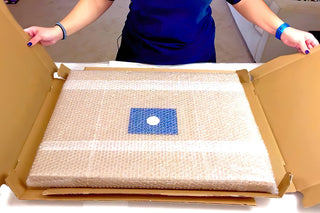
STEP 2 - SHIPPING
We ship your order. We send you an email to track the progress

STEP 3 - DELIVERY
You receive your order. You can also, according to your choice, be delivered to a relay point.
Matte finish
View from behind
Frame (optional)
In a world where art transcends eras, "End of Work" by Jules Breton stands as an ode to simplicity and the beauty of everyday life. This artwork, capturing a moment of rest after a laborious day, immerses us in the rural universe of the 19th century, where toil and nature intertwine harmoniously. The artist, with his delicate brushwork, invites us to contemplate the serenity emanating from this pastoral scene, while also prompting reflection on the relationship between man and his environment. The golden light of dusk, the faces marked by fatigue but also satisfaction, remind us of the importance of work in human life, while celebrating the beauty of simple moments.
Style and uniqueness of the work
Jules Breton's style is characterized by meticulous attention to detail and mastery of light play, which give his paintings a unique atmosphere. In "End of Work," the artist uses warm colors and a rich palette that evoke the softness of a late afternoon. The figures, dressed in traditional costumes, seem almost alive, their expressions conveying a range of emotions from exhaustion to inner peace. The composition, where human figures are integrated into a bucolic landscape, creates a harmonious balance between man and nature. This singularity also manifests in Breton's ability to capture the dynamic movement of bodies, making each gesture almost tangible. In sum, this canvas is a true celebration of rural life, imbued with visual poetry that touches the soul.
The artist and his influence
Jules Breton, an emblematic figure of the realist movement, established himself as one of the most influential painters of his time. Born in 1827, he grew up in a rural environment that shaped his view of the world. His works, often inspired by peasant life, testify to a deep respect for labor and traditions. Breton was able, through his paintings, to pay homage to the beauty of everyday scenes, while addressing universal themes such as human dignity and the relationship with nature. His influence is felt not only in his era but also among many
12,34 €