
Art print The Reader - Édouard Manet | Art print


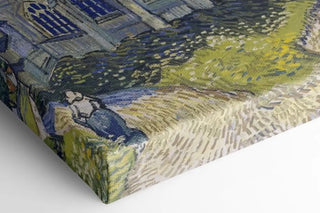
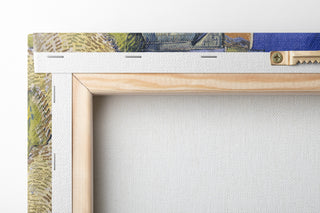
View from behind
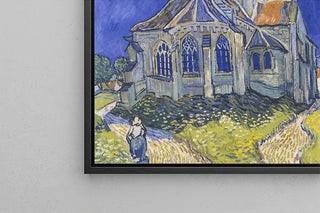
Frame (optional)
In the vast panorama of art history, certain works stand out for their ability to capture the very essence of the human experience. "The Reader" by Édouard Manet is one of those creations that transcends time and invites deep reflection on the nature of contemplation. This canvas, painted in 1866, highlights a moment of serenity, where a man, immersed in reading, seems to detach from the tumult of the world around him. Through this representation, Manet does not merely depict a simple act; he offers a true exploration of intellectual intimacy. The piece, both delicate and bold, is a testament to the modern era, where the individual begins to claim their right to solitude and reflection.
Style and uniqueness of the work
Manet's style, often considered a precursor to the Impressionist movement, is evident in "The Reader" through bold color choices and expressive brushstrokes. The light, omnipresent, appears to dance across surfaces, revealing the textures of clothing and surrounding objects. The central figure, dressed elegantly, is enveloped in an atmosphere of calm, while the background, more blurred, evokes an external reality that remains in the background. Manet succeeds in creating a striking contrast between the intimacy of the reader and the indifference of the world, thus highlighting the duality of the human experience. This piece, far from being a simple portrait, becomes a metaphor for the search for meaning in a constantly moving world. The composition, balanced and harmonious, reinforces the idea that reading is an act of escape, a door opened to other worlds.
The artist and his influence
Édouard Manet, an emblematic figure of the 19th century, played a crucial role in the evolution of modern art. By moving away from the academic conventions of his time, he paved the way for many artists who would follow in his footsteps. His innovative approach, which combined realism and Impressionism, profoundly influenced entire generations of painters. Through works like "The Reader," Manet was able to capture the spirit of a
Art print The Reader - Édouard Manet | Art print

-10% FROM €95 IN PURCHASES
-15% FROM €195 IN PURCHASES
Regular price
- Unit price
- per
Tax included.
Free shipping
€4.90 / Free shipping on orders over €39
Satisfied or Money Back
Free returns within 30 days
10-year warranty
Our prints are guaranteed for 10 years
Any questions? We are here!
by email to contact@artemlegrand.com
THE STEPS OF YOUR ORDER

STEP 1 - ORDER PLACED
Your order has been confirmed and we are starting production
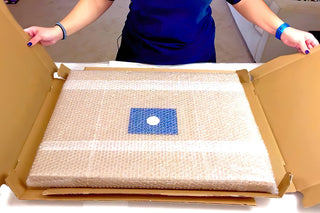
STEP 2 - SHIPPING
We ship your order. We send you an email to track the progress

STEP 3 - DELIVERY
You receive your order. You can also, according to your choice, be delivered to a relay point.
Matte finish
View from behind
Frame (optional)
In the vast panorama of art history, certain works stand out for their ability to capture the very essence of the human experience. "The Reader" by Édouard Manet is one of those creations that transcends time and invites deep reflection on the nature of contemplation. This canvas, painted in 1866, highlights a moment of serenity, where a man, immersed in reading, seems to detach from the tumult of the world around him. Through this representation, Manet does not merely depict a simple act; he offers a true exploration of intellectual intimacy. The piece, both delicate and bold, is a testament to the modern era, where the individual begins to claim their right to solitude and reflection.
Style and uniqueness of the work
Manet's style, often considered a precursor to the Impressionist movement, is evident in "The Reader" through bold color choices and expressive brushstrokes. The light, omnipresent, appears to dance across surfaces, revealing the textures of clothing and surrounding objects. The central figure, dressed elegantly, is enveloped in an atmosphere of calm, while the background, more blurred, evokes an external reality that remains in the background. Manet succeeds in creating a striking contrast between the intimacy of the reader and the indifference of the world, thus highlighting the duality of the human experience. This piece, far from being a simple portrait, becomes a metaphor for the search for meaning in a constantly moving world. The composition, balanced and harmonious, reinforces the idea that reading is an act of escape, a door opened to other worlds.
The artist and his influence
Édouard Manet, an emblematic figure of the 19th century, played a crucial role in the evolution of modern art. By moving away from the academic conventions of his time, he paved the way for many artists who would follow in his footsteps. His innovative approach, which combined realism and Impressionism, profoundly influenced entire generations of painters. Through works like "The Reader," Manet was able to capture the spirit of a
12,34 €