
Painting Do not sit on the back line - Henri Manguin | Art print


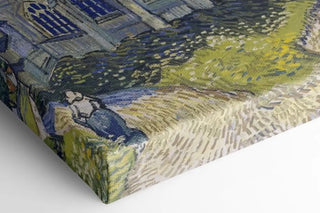
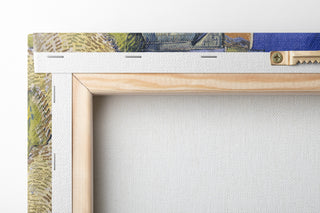
View from behind
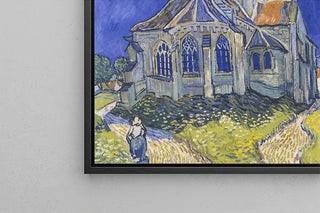
Frame (optional)
Art print: Do not sit on the back line - Henri Manguin – Captivating introduction
The canvas "Do not sit on the back line" by Henri Manguin evokes a vibrant and enchanting atmosphere, where light and color dance in delicate harmony. This iconic work, created in the early 20th century, is part of the Fauvist movement, which revolutionized the perception of colors and shapes in art. Manguin, as a member of this bold group, invites us to immerse ourselves in a world where emotion takes precedence over realistic representation. The scene, full of life and energy, transports us to a time when art sought to capture the very essence of beauty, far from academic conventions.
Style and uniqueness of the work
Manguin's style is characterized by a daring use of colors and shapes, creating a unique sensory atmosphere. In "Do not sit on the back line," vibrant hues blend with fluid contours, offering an almost dreamlike vision of reality. The characters, though stylized, exude palpable human warmth, while the surrounding landscape seems to vibrate under the effect of light. Manguin manages to capture fleeting moments, transforming ordinary scenes into moments of visual poetry. This approach, where emotions are intensified by a rich and dynamic palette, makes this work a perfect example of how Fauvism expanded the horizons of modern art.
The artist and his influence
Henri Manguin, often considered one of the most talented representatives of Fauvism, knew how to mark his era with his boldness and originality. Born in 1874, he was influenced by artists such as Matisse and Derain, but also developed a style that is uniquely his own, combining sensitivity to nature with an exploration of human emotions. His work not only contributed to the recognition of Fauvism but also paved the way for other artistic movements, notably Expressionism. Manguin captured the spirit of his time while leaving an indelible mark on the artistic scene, inspiring generations of artists to explore the
Painting Do not sit on the back line - Henri Manguin | Art print

-10% FROM €95 IN PURCHASES
-15% FROM €195 IN PURCHASES
Regular price
- Unit price
- per
Tax included.
Free shipping
€4.90 / Free shipping on orders over €39
Satisfied or Money Back
Free returns within 30 days
10-year warranty
Our prints are guaranteed for 10 years
Any questions? We are here!
by email to contact@artemlegrand.com
THE STEPS OF YOUR ORDER
STEP 1 - ORDER PLACED
Your order has been confirmed and we are starting production
STEP 2 - SHIPPING
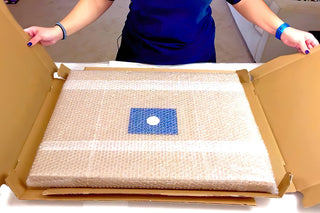
We ship your order. We send you an email to track the progress

STEP 3 - DELIVERY
You receive your order. You can also, according to your choice, be delivered to a relay point.
Matte finish
View from behind
Frame (optional)
Art print: Do not sit on the back line - Henri Manguin – Captivating introduction
The canvas "Do not sit on the back line" by Henri Manguin evokes a vibrant and enchanting atmosphere, where light and color dance in delicate harmony. This iconic work, created in the early 20th century, is part of the Fauvist movement, which revolutionized the perception of colors and shapes in art. Manguin, as a member of this bold group, invites us to immerse ourselves in a world where emotion takes precedence over realistic representation. The scene, full of life and energy, transports us to a time when art sought to capture the very essence of beauty, far from academic conventions.
Style and uniqueness of the work
Manguin's style is characterized by a daring use of colors and shapes, creating a unique sensory atmosphere. In "Do not sit on the back line," vibrant hues blend with fluid contours, offering an almost dreamlike vision of reality. The characters, though stylized, exude palpable human warmth, while the surrounding landscape seems to vibrate under the effect of light. Manguin manages to capture fleeting moments, transforming ordinary scenes into moments of visual poetry. This approach, where emotions are intensified by a rich and dynamic palette, makes this work a perfect example of how Fauvism expanded the horizons of modern art.
The artist and his influence
Henri Manguin, often considered one of the most talented representatives of Fauvism, knew how to mark his era with his boldness and originality. Born in 1874, he was influenced by artists such as Matisse and Derain, but also developed a style that is uniquely his own, combining sensitivity to nature with an exploration of human emotions. His work not only contributed to the recognition of Fauvism but also paved the way for other artistic movements, notably Expressionism. Manguin captured the spirit of his time while leaving an indelible mark on the artistic scene, inspiring generations of artists to explore the
12,34 €