
Art print of Dead Wild Birds and Hunter's Net in Trompe-l'œil - Jacob Biltius | Art print


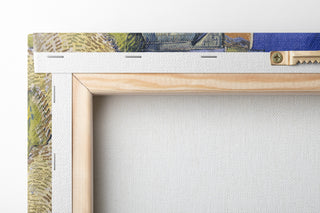
View from behind
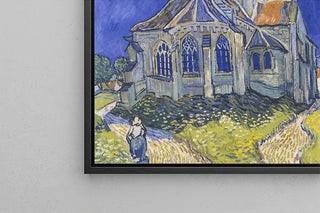
Frame (optional)
Art print Wild birds dead and hunter's net trompe-l'œil - Jacob Biltius – Captivating introduction
In the world of art, some works transcend mere representation to evoke a profound reflection on nature and the human condition. "Wild birds dead and hunter's net trompe-l'œil" by Jacob Biltius fits perfectly into this category. This painting, both delicate and striking, invites the viewer to an introspective contemplation. Through meticulous staging, Biltius manages to capture the very essence of life and death, while playing with visual perceptions. The juxtaposition of natural elements and the artifices of the hunter creates a palpable tension, revealing the subtleties of the relationship between man and nature.
Style and uniqueness of the work
Biltius's work stands out for its realistic approach and attention to detail. Each bird, frozen in a posture that evokes both the fleeting beauty of life and the cruelty of hunting, is painted with a precision that borders on hyperrealism. The net, a symbol of capture, is depicted in a way that creates an illusion of depth, immersing the viewer in a universe where trompe-l'œil becomes a powerful narrative tool. This art print does not merely depict dead animals; it questions our relationship with nature and death, while celebrating the technical virtuosity of the artist. The carefully orchestrated light plays a key role in the composition, accentuating textures and shapes, and inviting a visual exploration that leaves no one indifferent.
The artist and his influence
Jacob Biltius, often regarded as a master of trompe-l'œil, established himself in the 17th-century artistic landscape. His style, marked by a constant pursuit of perfection and a fascination with nature, influenced many artists of his time and subsequent generations. Biltius does not merely reproduce the world around him; he questions and reinvents it. His works, often imbued with a certain melancholy, testify to a reflection on the fleeting nature of life and the ephemeral beauty of things. By integrating elements of daily life into
Art print of Dead Wild Birds and Hunter's Net in Trompe-l'œil - Jacob Biltius | Art print

-10% FROM €95 IN PURCHASES
-15% FROM €195 IN PURCHASES
Regular price
- Unit price
- per
Tax included.
Free shipping
€4.90 / Free shipping on orders over €39
Satisfied or Money Back
Free returns within 30 days
10-year warranty
Our prints are guaranteed for 10 years
Any questions? We are here!
by email to contact@artemlegrand.com
THE STEPS OF YOUR ORDER

STEP 1 - ORDER PLACED
Your order has been confirmed and we are starting production
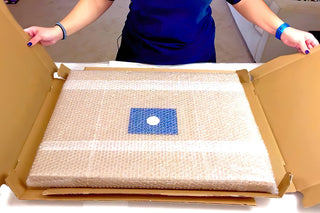
STEP 2 - SHIPPING
We ship your order. We send you an email to track the progress

STEP 3 - DELIVERY
You receive your order. You can also, according to your choice, be delivered to a relay point.
Matte finish
View from behind
Frame (optional)
Art print Wild birds dead and hunter's net trompe-l'œil - Jacob Biltius – Captivating introduction
In the world of art, some works transcend mere representation to evoke a profound reflection on nature and the human condition. "Wild birds dead and hunter's net trompe-l'œil" by Jacob Biltius fits perfectly into this category. This painting, both delicate and striking, invites the viewer to an introspective contemplation. Through meticulous staging, Biltius manages to capture the very essence of life and death, while playing with visual perceptions. The juxtaposition of natural elements and the artifices of the hunter creates a palpable tension, revealing the subtleties of the relationship between man and nature.
Style and uniqueness of the work
Biltius's work stands out for its realistic approach and attention to detail. Each bird, frozen in a posture that evokes both the fleeting beauty of life and the cruelty of hunting, is painted with a precision that borders on hyperrealism. The net, a symbol of capture, is depicted in a way that creates an illusion of depth, immersing the viewer in a universe where trompe-l'œil becomes a powerful narrative tool. This art print does not merely depict dead animals; it questions our relationship with nature and death, while celebrating the technical virtuosity of the artist. The carefully orchestrated light plays a key role in the composition, accentuating textures and shapes, and inviting a visual exploration that leaves no one indifferent.
The artist and his influence
Jacob Biltius, often regarded as a master of trompe-l'œil, established himself in the 17th-century artistic landscape. His style, marked by a constant pursuit of perfection and a fascination with nature, influenced many artists of his time and subsequent generations. Biltius does not merely reproduce the world around him; he questions and reinvents it. His works, often imbued with a certain melancholy, testify to a reflection on the fleeting nature of life and the ephemeral beauty of things. By integrating elements of daily life into
12,34 €