
Painting A dead hare - Jacob Biltius | Art print


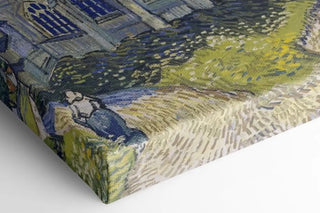
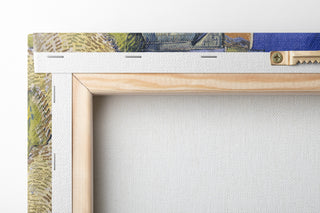
View from behind
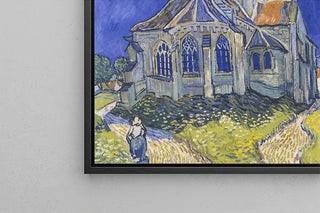
Frame (optional)
Art print Un lièvre mort - Jacob Biltius – Engaging Introduction
In the rich panorama of 17th-century Dutch painting, the work "Un lièvre mort" by Jacob Biltius stands out for its ability to capture the very essence of realism. This striking depiction of a hare, frozen in a moment of silence, evokes both the beauty and fragility of life. Biltius, master of still life, uses this canvas to transcend the simple representation of a hunted animal, inviting us to contemplate the relationship between man and nature, as well as themes of mortality and reflection. By immersing ourselves in this painting, we discover a world where every detail, every shadow, tells a story.
Style and uniqueness of the work
The strength of "Un lièvre mort" lies in Biltius's meticulous style and refined technique. His hyperrealist approach, characteristic of the still lifes of the period, is manifested through meticulous attention to textures and colors. The hare's fur, rendered with an almost tactile precision, seems to vibrate under the light, while the dark background accentuates the brightness of the animal. This juxtaposition creates an atmosphere that is both intimate and dramatic, where nature reveals itself in all its splendor, but also in its cruelty. Deep shadows and play of light reveal the artist's skill in manipulating space, immersing the viewer in silent contemplation. Every element of the composition, from the hare to the simple plate on which it rests, is carefully orchestrated, demonstrating a technical mastery that transcends eras.
The artist and his influence
Jacob Biltius, often considered one of the pioneers of Dutch still life, knew how to mark his era with an innovative approach to the representation of everyday objects. Trained in a rich artistic context, he was influenced by masters such as Rembrandt, while developing a style that is uniquely his own. His work paved the way for other artists, who saw in him a model of perfection in the realization of still lifes. Biltius was able to capture the essence of objects, giving them an almost spiritual dimension, while exploring universal themes.
Painting A dead hare - Jacob Biltius | Art print

-10% FROM €95 IN PURCHASES
-15% FROM €195 IN PURCHASES
Regular price
- Unit price
- per
Tax included.
Free shipping
€4.90 / Free shipping on orders over €39
Satisfied or Money Back
Free returns within 30 days
10-year warranty
Our prints are guaranteed for 10 years
Any questions? We are here!
by email to contact@artemlegrand.com
THE STEPS OF YOUR ORDER

STEP 1 - ORDER PLACED
Your order has been confirmed and we are starting production
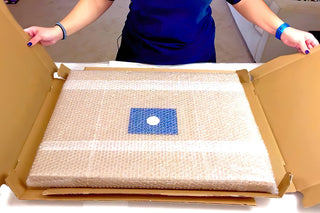
STEP 2 - SHIPPING
We ship your order. We send you an email to track the progress

STEP 3 - DELIVERY
You receive your order. You can also, according to your choice, be delivered to a relay point.
Matte finish
View from behind
Frame (optional)
Art print Un lièvre mort - Jacob Biltius – Engaging Introduction
In the rich panorama of 17th-century Dutch painting, the work "Un lièvre mort" by Jacob Biltius stands out for its ability to capture the very essence of realism. This striking depiction of a hare, frozen in a moment of silence, evokes both the beauty and fragility of life. Biltius, master of still life, uses this canvas to transcend the simple representation of a hunted animal, inviting us to contemplate the relationship between man and nature, as well as themes of mortality and reflection. By immersing ourselves in this painting, we discover a world where every detail, every shadow, tells a story.
Style and uniqueness of the work
The strength of "Un lièvre mort" lies in Biltius's meticulous style and refined technique. His hyperrealist approach, characteristic of the still lifes of the period, is manifested through meticulous attention to textures and colors. The hare's fur, rendered with an almost tactile precision, seems to vibrate under the light, while the dark background accentuates the brightness of the animal. This juxtaposition creates an atmosphere that is both intimate and dramatic, where nature reveals itself in all its splendor, but also in its cruelty. Deep shadows and play of light reveal the artist's skill in manipulating space, immersing the viewer in silent contemplation. Every element of the composition, from the hare to the simple plate on which it rests, is carefully orchestrated, demonstrating a technical mastery that transcends eras.
The artist and his influence
Jacob Biltius, often considered one of the pioneers of Dutch still life, knew how to mark his era with an innovative approach to the representation of everyday objects. Trained in a rich artistic context, he was influenced by masters such as Rembrandt, while developing a style that is uniquely his own. His work paved the way for other artists, who saw in him a model of perfection in the realization of still lifes. Biltius was able to capture the essence of objects, giving them an almost spiritual dimension, while exploring universal themes.
12,34 €