
Painting Pan est mort nature morte - George Washington Lambert | Art print


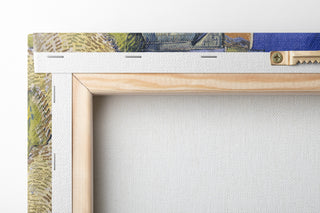
View from behind
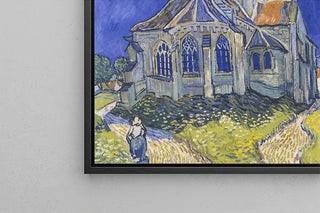
Frame (optional)
In the fascinating universe of art, some works transcend mere representation to evoke profound reflection on the human condition and the ephemeral beauty of life. "Pan is Dead" by George Washington Lambert is one of those pieces that, through its composition and symbols, invites the viewer to a rich and nuanced contemplation. This art print, far from being a simple assembly of objects, evokes poetic melancholy where the death of Pan, the god of nature, resonates as an echo of the fragility of our existence. Through this work, Lambert reminds us that even in the beauty of things, there is an impermanence worth celebrating.
Style and uniqueness of the work
Lambert's style in "Pan is Dead" is a subtle blend of realism and symbolism, where each element of the composition plays a crucial role in visual storytelling. The colors, both vibrant and delicate, intertwine to create an atmosphere that is both serene and unsettling. The objects arranged on the canvas, such as fruits, flowers, and musical instruments, are loaded with meanings. They evoke not only the beauty of nature but also the idea of vanity and mortality. The carefully orchestrated light highlights the textures of the materials, creating a striking contrast between life and death. Every detail, from the reflection of a water droplet to the curve of a stem, is an invitation to explore the depths of the artwork's meaning, to question our own relationship with nature and our existence.
The artist and his influence
George Washington Lambert, an artist of Australian origin, managed to mark his era with an innovative approach to painting. Trained at the Academy of Fine Arts, he developed a style that is uniquely his own, combining refined technique with poetic sensitivity. Lambert was influenced by the masters of the past while seeking to express a modern vision of art. His work on still life, notably with "Pan is Dead," demonstrates his skill in capturing the ephemeral beauty of everyday objects while infusing them with meaning.
Painting Pan est mort nature morte - George Washington Lambert | Art print

-10% FROM €95 IN PURCHASES
-15% FROM €195 IN PURCHASES
Regular price
- Unit price
- per
Tax included.
Free shipping
€4.90 / Free shipping on orders over €39
Satisfied or Money Back
Free returns within 30 days
10-year warranty
Our prints are guaranteed for 10 years
Any questions? We are here!
by email to contact@artemlegrand.com
THE STEPS OF YOUR ORDER

STEP 1 - ORDER PLACED
Your order has been confirmed and we are starting production
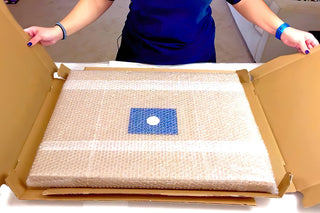
STEP 2 - SHIPPING
We ship your order. We send you an email to track the progress

STEP 3 - DELIVERY
You receive your order. You can also, according to your choice, be delivered to a relay point.
Matte finish
View from behind
Frame (optional)
In the fascinating universe of art, some works transcend mere representation to evoke profound reflection on the human condition and the ephemeral beauty of life. "Pan is Dead" by George Washington Lambert is one of those pieces that, through its composition and symbols, invites the viewer to a rich and nuanced contemplation. This art print, far from being a simple assembly of objects, evokes poetic melancholy where the death of Pan, the god of nature, resonates as an echo of the fragility of our existence. Through this work, Lambert reminds us that even in the beauty of things, there is an impermanence worth celebrating.
Style and uniqueness of the work
Lambert's style in "Pan is Dead" is a subtle blend of realism and symbolism, where each element of the composition plays a crucial role in visual storytelling. The colors, both vibrant and delicate, intertwine to create an atmosphere that is both serene and unsettling. The objects arranged on the canvas, such as fruits, flowers, and musical instruments, are loaded with meanings. They evoke not only the beauty of nature but also the idea of vanity and mortality. The carefully orchestrated light highlights the textures of the materials, creating a striking contrast between life and death. Every detail, from the reflection of a water droplet to the curve of a stem, is an invitation to explore the depths of the artwork's meaning, to question our own relationship with nature and our existence.
The artist and his influence
George Washington Lambert, an artist of Australian origin, managed to mark his era with an innovative approach to painting. Trained at the Academy of Fine Arts, he developed a style that is uniquely his own, combining refined technique with poetic sensitivity. Lambert was influenced by the masters of the past while seeking to express a modern vision of art. His work on still life, notably with "Pan is Dead," demonstrates his skill in capturing the ephemeral beauty of everyday objects while infusing them with meaning.
12,34 €