
Art print Day of the Dead - Karl Wiener | Art print


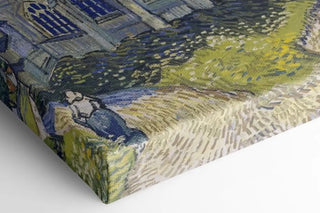
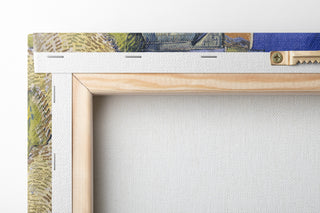
View from behind
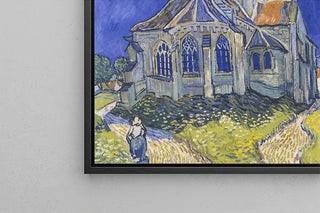
Frame (optional)
"Day of the Dead" by Karl Wiener is a piece that belongs to a rich artistic tradition, while offering a unique vision of nature and mortality. This painting, imbued with melancholy and reflection, invites the viewer to a profound contemplation. Through shades of dark colors and evocative shapes, Wiener manages to capture the very essence of life and death. In this work, every detail seems to tell a story, every shadow evokes an emotion, and every light reveals a hidden aspect of existence. By examining this piece, the viewer is drawn into an introspective journey, where they are prompted to question their own perception of time and finiteness.
Style and uniqueness of the work
Karl Wiener's style is distinguished by bold use of contrasts and a color palette that oscillates between dark and luminous. "Day of the Dead" is characterized by organic shapes that evoke nature in all its splendor, but also in its vulnerability. The artist skillfully plays with light, creating shadowed areas that seem to envelop the painting in an atmosphere of mystery. This stylistic choice reinforces the idea of life's fragility, while offering a poignant beauty. The composition, both balanced and dynamic, guides the viewer's gaze across the painting, inviting them to discover the subtleties hidden behind each brushstroke. Wiener succeeds in establishing a dialogue between art and the viewer, making the work not only visual but also emotional.
The artist and his influence
Karl Wiener is an artist whose journey is marked by a constant quest for meaning and authenticity. Influenced by the great masters of painting, he has developed a distinctive style that resonates with contemporary concerns. His work, although rooted in classical traditions, also draws from modern movements, thus creating a bridge between past and present. Wiener is also known for his commitment to universal themes such as death, memory, and ephemeral beauty. Through his art, he encourages us to reflect on our own existence and our relationship with the world. His influence extends beyond the boundaries of the canvas,
Art print Day of the Dead - Karl Wiener | Art print

-10% FROM €95 IN PURCHASES
-15% FROM €195 IN PURCHASES
Regular price
- Unit price
- per
Tax included.
Free shipping
€4.90 / Free shipping on orders over €39
Satisfied or Money Back
Free returns within 30 days
10-year warranty
Our prints are guaranteed for 10 years
Any questions? We are here!
by email to contact@artemlegrand.com
THE STEPS OF YOUR ORDER

STEP 1 - ORDER PLACED
Your order has been confirmed and we are starting production
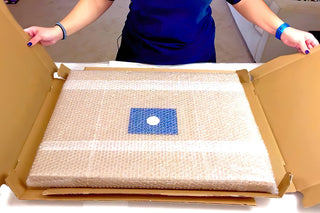
STEP 2 - SHIPPING
We ship your order. We send you an email to track the progress

STEP 3 - DELIVERY
You receive your order. You can also, according to your choice, be delivered to a relay point.
Matte finish
View from behind
Frame (optional)
"Day of the Dead" by Karl Wiener is a piece that belongs to a rich artistic tradition, while offering a unique vision of nature and mortality. This painting, imbued with melancholy and reflection, invites the viewer to a profound contemplation. Through shades of dark colors and evocative shapes, Wiener manages to capture the very essence of life and death. In this work, every detail seems to tell a story, every shadow evokes an emotion, and every light reveals a hidden aspect of existence. By examining this piece, the viewer is drawn into an introspective journey, where they are prompted to question their own perception of time and finiteness.
Style and uniqueness of the work
Karl Wiener's style is distinguished by bold use of contrasts and a color palette that oscillates between dark and luminous. "Day of the Dead" is characterized by organic shapes that evoke nature in all its splendor, but also in its vulnerability. The artist skillfully plays with light, creating shadowed areas that seem to envelop the painting in an atmosphere of mystery. This stylistic choice reinforces the idea of life's fragility, while offering a poignant beauty. The composition, both balanced and dynamic, guides the viewer's gaze across the painting, inviting them to discover the subtleties hidden behind each brushstroke. Wiener succeeds in establishing a dialogue between art and the viewer, making the work not only visual but also emotional.
The artist and his influence
Karl Wiener is an artist whose journey is marked by a constant quest for meaning and authenticity. Influenced by the great masters of painting, he has developed a distinctive style that resonates with contemporary concerns. His work, although rooted in classical traditions, also draws from modern movements, thus creating a bridge between past and present. Wiener is also known for his commitment to universal themes such as death, memory, and ephemeral beauty. Through his art, he encourages us to reflect on our own existence and our relationship with the world. His influence extends beyond the boundaries of the canvas,
12,34 €