
Art print of a crowd of people watching the festival dance in front of the Futaara shrine - Kubo Shunman


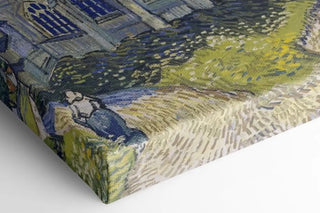
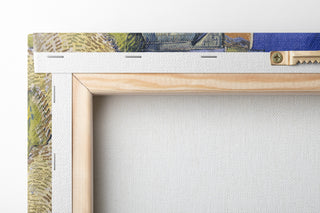
View from behind
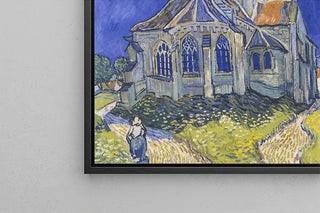
Frame (optional)
Art print of a crowd watching the festival dance in front of the Futaara sanctuary - Kubo Shunman – Captivating introduction
Kubo Shunman's "Crowd watching the festival dance in front of the Futaara sanctuary" is a true window into 18th-century Japan. In this vibrant scene, the artist captures the excitement of a traditional festival, where spectators, fascinated, gather to admire a dance imbued with culture and spirituality. The composition is full of life; each character seems animated by a palpable emotion, a collective curiosity that transcends time. Shunman succeeds in immortalizing a fleeting moment, where joy and popular fervor blend harmoniously with the beauty of the sanctuary, reflecting an era when tradition and community played a central role in Japanese society.
Style and uniqueness of the work
Kubo Shunman's style is distinguished by its delicacy and ability to translate the nuances of daily life through vivid colors and stylized forms. In this work, the meticulous details of the dancers' and spectators' costumes reveal an exceptional mastery of ukiyo-e technique, which conveys an atmosphere that is both festive and contemplative. The color palette chosen by the artist evokes a visual harmony that draws the eye and invites wonder. Each character, whether in motion or in contemplation, is depicted with an expressiveness that seems almost alive. The depth created by the arrangement of figures and the sanctuary in the background enhances the impression of immersion in this scene, making the work a lively testimony of a cultural event.
The artist and his influence
Kubo Shunman, an emblematic figure of ukiyo-e, established himself as an innovator within this artistic movement. Active at the end of the 18th century, he profoundly marked his era with his ability to combine tradition and modernity. His work is not limited to simple representations of popular scenes; it aims to capture the very essence of Japanese culture. Shunman influenced many contemporary and later artists, notably through his approach to beauty and daily life. His work also contributed to the dissemination of the art form.
Art print of a crowd of people watching the festival dance in front of the Futaara shrine - Kubo Shunman

-10% FROM €95 IN PURCHASES
-15% FROM €195 IN PURCHASES
Regular price
- Unit price
- per
Tax included.
Free shipping
€4.90 / Free shipping on orders over €39
Satisfied or Money Back
Free returns within 30 days
10-year warranty
Our prints are guaranteed for 10 years
Any questions? We are here!
by email to contact@artemlegrand.com
THE STEPS OF YOUR ORDER

STEP 1 - ORDER PLACED
Your order has been confirmed and we are starting production
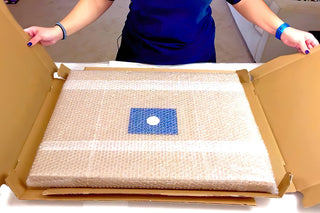
STEP 2 - SHIPPING
We ship your order. We send you an email to track the progress

STEP 3 - DELIVERY
You receive your order. You can also, according to your choice, be delivered to a relay point.
Matte finish
View from behind
Frame (optional)
Art print of a crowd watching the festival dance in front of the Futaara sanctuary - Kubo Shunman – Captivating introduction
Kubo Shunman's "Crowd watching the festival dance in front of the Futaara sanctuary" is a true window into 18th-century Japan. In this vibrant scene, the artist captures the excitement of a traditional festival, where spectators, fascinated, gather to admire a dance imbued with culture and spirituality. The composition is full of life; each character seems animated by a palpable emotion, a collective curiosity that transcends time. Shunman succeeds in immortalizing a fleeting moment, where joy and popular fervor blend harmoniously with the beauty of the sanctuary, reflecting an era when tradition and community played a central role in Japanese society.
Style and uniqueness of the work
Kubo Shunman's style is distinguished by its delicacy and ability to translate the nuances of daily life through vivid colors and stylized forms. In this work, the meticulous details of the dancers' and spectators' costumes reveal an exceptional mastery of ukiyo-e technique, which conveys an atmosphere that is both festive and contemplative. The color palette chosen by the artist evokes a visual harmony that draws the eye and invites wonder. Each character, whether in motion or in contemplation, is depicted with an expressiveness that seems almost alive. The depth created by the arrangement of figures and the sanctuary in the background enhances the impression of immersion in this scene, making the work a lively testimony of a cultural event.
The artist and his influence
Kubo Shunman, an emblematic figure of ukiyo-e, established himself as an innovator within this artistic movement. Active at the end of the 18th century, he profoundly marked his era with his ability to combine tradition and modernity. His work is not limited to simple representations of popular scenes; it aims to capture the very essence of Japanese culture. Shunman influenced many contemporary and later artists, notably through his approach to beauty and daily life. His work also contributed to the dissemination of the art form.
12,34 €