
Art print Courtesan Oriwae little child looking in the mirror from behind - Kitagawa Utamaro | Art print


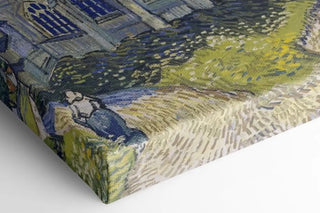
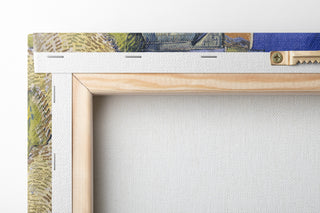
View from behind
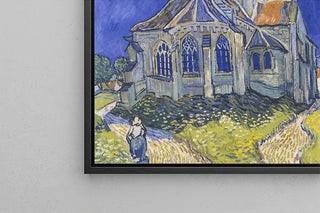
Frame (optional)
Discover the exquisite art print titled "Courtisane Oriwae petit enfant regardant dans le miroir de dos," a delicate reproduction capturing a moment of serene beauty. In this refined piece, the courtesan Oriwae stands gracefully, her back turned to the viewer, as a curious child observes her reflection in a mirror. The soft pastel colors, characteristic of ukiyo-e aesthetics, create a gentle, dreamlike atmosphere. The traditional woodblock printing technique employed by Kitagawa Utamaro allows for intricate details in the courtesan's clothing and hair, conveying a sense of tranquility. Subtle lighting accentuates the scene's contours, inviting silent contemplation of beauty and innocence.
Kitagawa Utamaro: master of female portraiture in Japan
Active at the end of the 18th century and the beginning of the 19th century, Kitagawa Utamaro is one of the most iconic artists of ukiyo-e, a genre of Japanese painting and printmaking. His work primarily focuses on the depiction of women, especially courtesans, portrayed with unparalleled sensitivity and finesse. Influenced by the aesthetic traditions of his time, Utamaro mastered blending realism with idealization, creating works that transcend time. His impact on Japanese art is undeniable, and his creations continue to inspire artists and art lovers worldwide.
An elegant decorative acquisition with multiple virtues
The art print of "Courtisane Oriwae petit enfant regardant dans le miroir de dos" makes a sophisticated addition to any interior—be it a living room, office, or bedroom. Its high-quality printing and faithful reproduction of the original details make it a prized piece for enthusiasts of Japanese art. Incorporating this art print into your decor adds a touch of refinement and culture, while celebrating Utamaro's artistic heritage. The aesthetic appeal of this work lies in its ability to evoke emotions and inspire admiration, turning each viewing into a moment of silent contemplation.
Art print Courtesan Oriwae little child looking in the mirror from behind - Kitagawa Utamaro | Art print

-10% FROM €95 IN PURCHASES
-15% FROM €195 IN PURCHASES
Regular price
- Unit price
- per
Tax included.
Free shipping
€4.90 / Free shipping on orders over €39
Satisfied or Money Back
Free returns within 30 days
10-year warranty
Our prints are guaranteed for 10 years
Any questions? We are here!
by email to contact@artemlegrand.com
THE STEPS OF YOUR ORDER
STEP 1 - ORDER PLACED
Your order has been confirmed and we are starting production
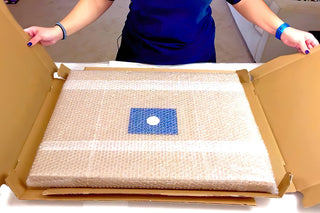
STEP 2 - SHIPPING
We ship your order. We send you an email to track the progress

STEP 3 - DELIVERY
You receive your order. You can also, according to your choice, be delivered to a relay point.
Matte finish
View from behind
Frame (optional)
Discover the exquisite art print titled "Courtisane Oriwae petit enfant regardant dans le miroir de dos," a delicate reproduction capturing a moment of serene beauty. In this refined piece, the courtesan Oriwae stands gracefully, her back turned to the viewer, as a curious child observes her reflection in a mirror. The soft pastel colors, characteristic of ukiyo-e aesthetics, create a gentle, dreamlike atmosphere. The traditional woodblock printing technique employed by Kitagawa Utamaro allows for intricate details in the courtesan's clothing and hair, conveying a sense of tranquility. Subtle lighting accentuates the scene's contours, inviting silent contemplation of beauty and innocence.
Kitagawa Utamaro: master of female portraiture in Japan
Active at the end of the 18th century and the beginning of the 19th century, Kitagawa Utamaro is one of the most iconic artists of ukiyo-e, a genre of Japanese painting and printmaking. His work primarily focuses on the depiction of women, especially courtesans, portrayed with unparalleled sensitivity and finesse. Influenced by the aesthetic traditions of his time, Utamaro mastered blending realism with idealization, creating works that transcend time. His impact on Japanese art is undeniable, and his creations continue to inspire artists and art lovers worldwide.
An elegant decorative acquisition with multiple virtues
The art print of "Courtisane Oriwae petit enfant regardant dans le miroir de dos" makes a sophisticated addition to any interior—be it a living room, office, or bedroom. Its high-quality printing and faithful reproduction of the original details make it a prized piece for enthusiasts of Japanese art. Incorporating this art print into your decor adds a touch of refinement and culture, while celebrating Utamaro's artistic heritage. The aesthetic appeal of this work lies in its ability to evoke emotions and inspire admiration, turning each viewing into a moment of silent contemplation.
12,34 €