
Painting Formation of a couple in a brake at Lucas's Yard Clerkenwell - James Pollard | Art print


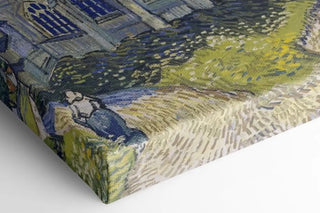
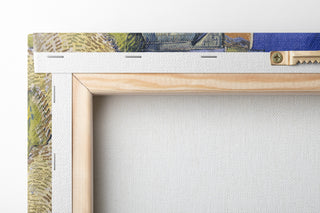
View from behind
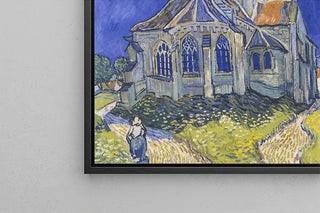
Frame (optional)
In the rich and complex universe of 19th-century British art, the artwork "Formation of a couple in a Lucas's Yard Clerkenwell brake" by James Pollard stands out for its ability to capture the essence of everyday life during a time of transition. This painting, imbued with realism and delicacy, transports us to a fleeting moment frozen in time, where two figures are illuminated within an urban setting. The scene, both intimate and revealing, invites us to contemplate not only the characters but also the vibrant atmosphere of London at that time. Immersing ourselves in this piece, we discover a snapshot of humanity—a reflection on interpersonal relationships and the social framework surrounding them.
Style and uniqueness of the work
James Pollard's style is characterized by meticulous attention to detail and mastery of colors that evoke emotional depth. In "Formation of a couple in a Lucas's Yard Clerkenwell brake," each brushstroke seems to invite exploration of the characters' thoughts and feelings. The faces, finely expressive, tell a story beyond words, while the background, though secondary, plays a crucial role in the overall composition. The subtly integrated light creates shadows that add an almost cinematic dimension to the scene. Pollard succeeds in transcending mere representation by offering a poetic vision of daily life, where every element contributes to visual storytelling.
The artist and his influence
James Pollard, born in 1792, was an artist whose work marked his era with his ability to capture the essence of urban life. Influenced by contemporary artistic movements, he developed a style that was uniquely his own, blending realism and romanticism. Pollard also took an interest in the depiction of horses, a recurring theme in his work, reflecting his love for nature and outdoor life. His influence extends beyond his own production, inspiring many artists who sought to explore themes of modernity and city life. Through his works, he contributed
Painting Formation of a couple in a brake at Lucas's Yard Clerkenwell - James Pollard | Art print

-10% FROM €95 IN PURCHASES
-15% FROM €195 IN PURCHASES
Regular price
- Unit price
- per
Tax included.
Free shipping
€4.90 / Free shipping on orders over €39
Satisfied or Money Back
Free returns within 30 days
10-year warranty
Our prints are guaranteed for 10 years
Any questions? We are here!
by email to contact@artemlegrand.com
THE STEPS OF YOUR ORDER

STEP 1 - ORDER PLACED
Your order has been confirmed and we are starting production
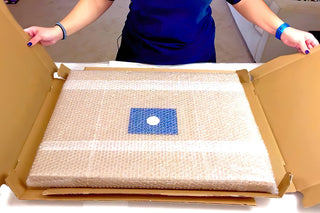
STEP 2 - SHIPPING
We ship your order. We send you an email to track the progress

STEP 3 - DELIVERY
You receive your order. You can also, according to your choice, be delivered to a relay point.
Matte finish
View from behind
Frame (optional)
In the rich and complex universe of 19th-century British art, the artwork "Formation of a couple in a Lucas's Yard Clerkenwell brake" by James Pollard stands out for its ability to capture the essence of everyday life during a time of transition. This painting, imbued with realism and delicacy, transports us to a fleeting moment frozen in time, where two figures are illuminated within an urban setting. The scene, both intimate and revealing, invites us to contemplate not only the characters but also the vibrant atmosphere of London at that time. Immersing ourselves in this piece, we discover a snapshot of humanity—a reflection on interpersonal relationships and the social framework surrounding them.
Style and uniqueness of the work
James Pollard's style is characterized by meticulous attention to detail and mastery of colors that evoke emotional depth. In "Formation of a couple in a Lucas's Yard Clerkenwell brake," each brushstroke seems to invite exploration of the characters' thoughts and feelings. The faces, finely expressive, tell a story beyond words, while the background, though secondary, plays a crucial role in the overall composition. The subtly integrated light creates shadows that add an almost cinematic dimension to the scene. Pollard succeeds in transcending mere representation by offering a poetic vision of daily life, where every element contributes to visual storytelling.
The artist and his influence
James Pollard, born in 1792, was an artist whose work marked his era with his ability to capture the essence of urban life. Influenced by contemporary artistic movements, he developed a style that was uniquely his own, blending realism and romanticism. Pollard also took an interest in the depiction of horses, a recurring theme in his work, reflecting his love for nature and outdoor life. His influence extends beyond his own production, inspiring many artists who sought to explore themes of modernity and city life. Through his works, he contributed
12,34 €