
Painting Ruins of a church with figures - Leonardo Coccorante | Art print


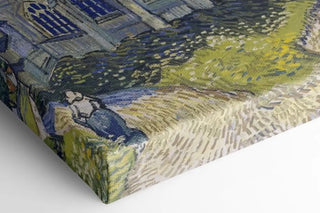
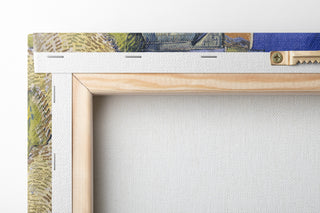
View from behind
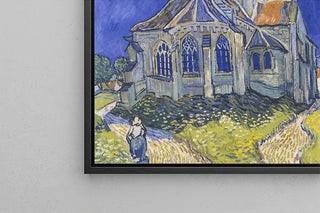
Frame (optional)
Introduction captivante
The artwork "Ruins of a church with figures" by Leonardo Coccorante transports us into a universe where the sublime and decline coexist. This painting, which evokes the beauty of architectural remains, invites us to reflect on the fragility of time and the enduring nature of art. In this scene, the ruins of a church, imbued with palpable melancholy, are inhabited by human figures that seem to tell a forgotten story. The atmosphere emanating from this piece is both serene and unsettling, an echo of history resonating through the ages. Contemplating this art print, one feels a deep connection with the past, as if each brushstroke by Coccorante captured a timeless essence.
Style and uniqueness of the work
Coccorante's style is distinguished by its ability to blend realism and romanticism, creating a unique ambiance. In "Ruins of a church with figures," light plays a central role, subtly illuminating architectural details while plunging certain areas into shadow, accentuating the contrast between life and decay. The human figures, although secondary in composition, add a narrative dimension that enriches the painting. Each character seems to witness a story, a life that has traversed centuries. The colors, both soft and earthy, evoke a natural palette that enhances the authenticity of the scene. This work is a true testament to Coccorante's mastery, who manages to capture not only the image but also the emotion it conveys.
The artist and his influence
Leonardo Coccorante, an 18th-century artist, is often associated with the tradition of Italian romantic landscape painting. His ability to depict nature and architecture with such finesse influenced many artists of his time and beyond. By integrating elements of daily life within grand landscapes, Coccorante created a dialogue between man and his environment. His innovative approach paved the way for a new way of perceiving the beauty of art prints, not as mere vestiges of a bygone past,
Painting Ruins of a church with figures - Leonardo Coccorante | Art print

-10% FROM €95 IN PURCHASES
-15% FROM €195 IN PURCHASES
Regular price
- Unit price
- per
Tax included.
Free shipping
€4.90 / Free shipping on orders over €39
Satisfied or Money Back
Free returns within 30 days
10-year warranty
Our prints are guaranteed for 10 years
Any questions? We are here!
by email to contact@artemlegrand.com
THE STEPS OF YOUR ORDER

STEP 1 - ORDER PLACED
Your order has been confirmed and we are starting production
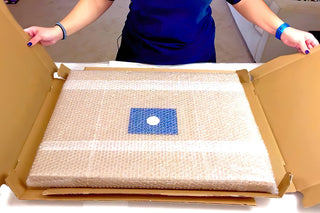
STEP 2 - SHIPPING
We ship your order. We send you an email to track the progress

STEP 3 - DELIVERY
You receive your order. You can also, according to your choice, be delivered to a relay point.
Matte finish
View from behind
Frame (optional)
Introduction captivante
The artwork "Ruins of a church with figures" by Leonardo Coccorante transports us into a universe where the sublime and decline coexist. This painting, which evokes the beauty of architectural remains, invites us to reflect on the fragility of time and the enduring nature of art. In this scene, the ruins of a church, imbued with palpable melancholy, are inhabited by human figures that seem to tell a forgotten story. The atmosphere emanating from this piece is both serene and unsettling, an echo of history resonating through the ages. Contemplating this art print, one feels a deep connection with the past, as if each brushstroke by Coccorante captured a timeless essence.
Style and uniqueness of the work
Coccorante's style is distinguished by its ability to blend realism and romanticism, creating a unique ambiance. In "Ruins of a church with figures," light plays a central role, subtly illuminating architectural details while plunging certain areas into shadow, accentuating the contrast between life and decay. The human figures, although secondary in composition, add a narrative dimension that enriches the painting. Each character seems to witness a story, a life that has traversed centuries. The colors, both soft and earthy, evoke a natural palette that enhances the authenticity of the scene. This work is a true testament to Coccorante's mastery, who manages to capture not only the image but also the emotion it conveys.
The artist and his influence
Leonardo Coccorante, an 18th-century artist, is often associated with the tradition of Italian romantic landscape painting. His ability to depict nature and architecture with such finesse influenced many artists of his time and beyond. By integrating elements of daily life within grand landscapes, Coccorante created a dialogue between man and his environment. His innovative approach paved the way for a new way of perceiving the beauty of art prints, not as mere vestiges of a bygone past,
12,34 €