
Art print of a Cavalry Skirmish - Georg Philipp Rugendas l'Ancien


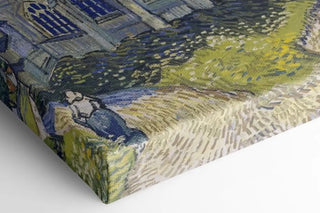
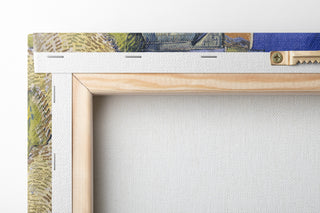
View from behind
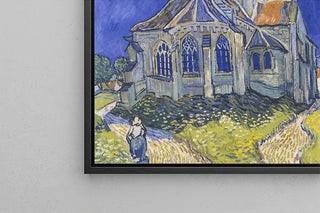
Frame (optional)
In the vast panorama of art history, certain works stand out for their ability to capture the essence of a fleeting moment. "An Art print of a Cavalry Skirmish - Georg Philipp Rugendas the Elder" is one of those creations that manages to transport the viewer to the heart of a dynamic scene, where action and movement intertwine harmoniously. This piece not only evokes the bravery of the cavalrymen but also the epic breath of an era when war and honor were inextricably linked. Rugendas, through his undeniable talent, succeeds in immortalizing this intensity, offering a striking vision of military life in the 17th century.
Style and uniqueness of the work
Rugendas's style is characterized by meticulous attention to detail and a vibrant color palette that breathes life into his compositions. In "An Art print of a Cavalry Skirmish," each rider seems animated by an inner strength, while the horses, driven by palpable energy, gallop with wild grace. The artist uses light effects to emphasize movements, creating an atmosphere that is both dramatic and captivating. The shades of earth and blue blend to evoke a landscape that is both realistic and poetic, where nature itself seems to react to the frenzy of combat. This painting is a true ode to human bravery, where each brushstroke tells a story, immersing the viewer in a rich and evocative visual narrative.
The artist and his influence
Georg Philipp Rugendas the Elder, a painter and engraver of German origin, made a name for himself within the Baroque movement thanks to his incredible talent for depicting battle scenes and lively landscapes. His work is not limited to simple representations of war; he also explores human emotions, tensions, and passions that animate the actors of these events. Rugendas was influenced by his contemporaries, but he developed a distinctive style, combining realism and expressiveness. His travels across Europe and South America allowed him to enrich his visual repertoire, incorporating diverse cultural elements that are reflected in
Art print of a Cavalry Skirmish - Georg Philipp Rugendas l'Ancien

-10% FROM €95 IN PURCHASES
-15% FROM €195 IN PURCHASES
Regular price
- Unit price
- per
Tax included.
Free shipping
€4.90 / Free shipping on orders over €39
Satisfied or Money Back
Free returns within 30 days
10-year warranty
Our prints are guaranteed for 10 years
Any questions? We are here!
by email to contact@artemlegrand.com
THE STEPS OF YOUR ORDER

STEP 1 - ORDER PLACED
Your order has been confirmed and we are starting production
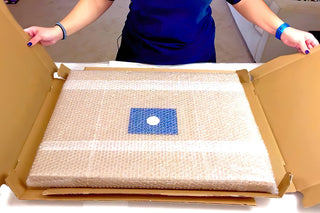
STEP 2 - SHIPPING
We ship your order. We send you an email to track the progress

STEP 3 - DELIVERY
You receive your order. You can also, according to your choice, be delivered to a relay point.
Matte finish
View from behind
Frame (optional)
In the vast panorama of art history, certain works stand out for their ability to capture the essence of a fleeting moment. "An Art print of a Cavalry Skirmish - Georg Philipp Rugendas the Elder" is one of those creations that manages to transport the viewer to the heart of a dynamic scene, where action and movement intertwine harmoniously. This piece not only evokes the bravery of the cavalrymen but also the epic breath of an era when war and honor were inextricably linked. Rugendas, through his undeniable talent, succeeds in immortalizing this intensity, offering a striking vision of military life in the 17th century.
Style and uniqueness of the work
Rugendas's style is characterized by meticulous attention to detail and a vibrant color palette that breathes life into his compositions. In "An Art print of a Cavalry Skirmish," each rider seems animated by an inner strength, while the horses, driven by palpable energy, gallop with wild grace. The artist uses light effects to emphasize movements, creating an atmosphere that is both dramatic and captivating. The shades of earth and blue blend to evoke a landscape that is both realistic and poetic, where nature itself seems to react to the frenzy of combat. This painting is a true ode to human bravery, where each brushstroke tells a story, immersing the viewer in a rich and evocative visual narrative.
The artist and his influence
Georg Philipp Rugendas the Elder, a painter and engraver of German origin, made a name for himself within the Baroque movement thanks to his incredible talent for depicting battle scenes and lively landscapes. His work is not limited to simple representations of war; he also explores human emotions, tensions, and passions that animate the actors of these events. Rugendas was influenced by his contemporaries, but he developed a distinctive style, combining realism and expressiveness. His travels across Europe and South America allowed him to enrich his visual repertoire, incorporating diverse cultural elements that are reflected in
12,34 €