
Painting Boy Shouting - Wilhelm Busch | Art print


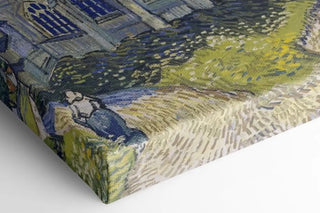
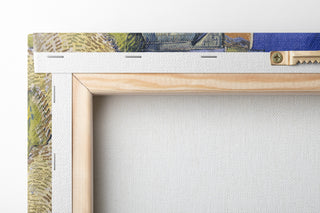
View from behind
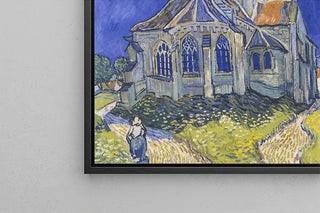
Frame (optional)
In the vibrant universe of art, certain works stand out for their ability to capture the very essence of humanity. "Garçon qui crie - Wilhelm Busch" is one of these memorable creations, offering a dive into the raw emotions of childhood. This painting, both simple and poignant, evokes a familiar scene where the expression of a young boy, full of energy and passion, resonates with rare intensity. Through this piece, Busch invites us to explore the nuances of human feelings, while demonstrating his undeniable talent for translating innocence and vivacity of childhood into a striking image.
Style and uniqueness of the work
The strength of "Garçon qui crie" lies in its unique style, which combines a realistic approach with touches of humor and irony. Wilhelm Busch, known for his keen sense of observation, manages to immortalize a fleeting moment with remarkable precision. The boy's expression, both exuberant and sincere, is accentuated by vivid colors and dynamic strokes that breathe palpable life into the canvas. This blend of seriousness and lightness makes this work a perfect example of art's ability to transcend eras and touch entire generations. The composition, both balanced and energetic, draws the eye and invites prolonged contemplation, revealing new dimensions with each observation.
The artist and his influence
Wilhelm Busch, an iconic figure of 19th-century German art, marked his era with his innovative approach and sharp storytelling sense. Although often recognized for his humorous illustrations and satirical poems, his pictorial work, such as "Garçon qui crie," demonstrates his diverse talent and ability to capture the complexity of human emotions. Busch influenced many artists and illustrators, especially in the field of comic strips, where his narrative style paved the way for new forms of visual expression. His ability to combine humor and emotional depth continues to inspire contemporary creators, making him an essential figure in art history.
A wall decoration
Painting Boy Shouting - Wilhelm Busch | Art print

-10% FROM €95 IN PURCHASES
-15% FROM €195 IN PURCHASES
Regular price
- Unit price
- per
Tax included.
Free shipping
€4.90 / Free shipping on orders over €39
Satisfied or Money Back
Free returns within 30 days
10-year warranty
Our prints are guaranteed for 10 years
Any questions? We are here!
by email to contact@artemlegrand.com
THE STEPS OF YOUR ORDER

STEP 1 - ORDER PLACED
Your order has been confirmed and we are starting production
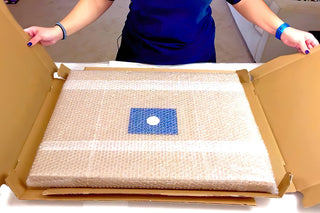
STEP 2 - SHIPPING
We ship your order. We send you an email to track the progress

STEP 3 - DELIVERY
You receive your order. You can also, according to your choice, be delivered to a relay point.
Matte finish
View from behind
Frame (optional)
In the vibrant universe of art, certain works stand out for their ability to capture the very essence of humanity. "Garçon qui crie - Wilhelm Busch" is one of these memorable creations, offering a dive into the raw emotions of childhood. This painting, both simple and poignant, evokes a familiar scene where the expression of a young boy, full of energy and passion, resonates with rare intensity. Through this piece, Busch invites us to explore the nuances of human feelings, while demonstrating his undeniable talent for translating innocence and vivacity of childhood into a striking image.
Style and uniqueness of the work
The strength of "Garçon qui crie" lies in its unique style, which combines a realistic approach with touches of humor and irony. Wilhelm Busch, known for his keen sense of observation, manages to immortalize a fleeting moment with remarkable precision. The boy's expression, both exuberant and sincere, is accentuated by vivid colors and dynamic strokes that breathe palpable life into the canvas. This blend of seriousness and lightness makes this work a perfect example of art's ability to transcend eras and touch entire generations. The composition, both balanced and energetic, draws the eye and invites prolonged contemplation, revealing new dimensions with each observation.
The artist and his influence
Wilhelm Busch, an iconic figure of 19th-century German art, marked his era with his innovative approach and sharp storytelling sense. Although often recognized for his humorous illustrations and satirical poems, his pictorial work, such as "Garçon qui crie," demonstrates his diverse talent and ability to capture the complexity of human emotions. Busch influenced many artists and illustrators, especially in the field of comic strips, where his narrative style paved the way for new forms of visual expression. His ability to combine humor and emotional depth continues to inspire contemporary creators, making him an essential figure in art history.
A wall decoration
12,34 €