
Painting Boy in a Red Waistcoat - Paul Cézanne | Art print


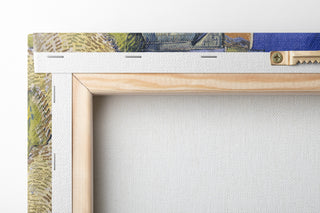
View from behind
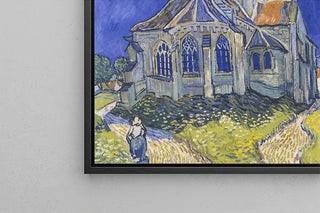
Frame (optional)
Paul Cézanne's "Boy in a Red Vest" is a piece that transcends mere portraiture to become a true exploration of color and form. Created at the end of the 19th century, this work is emblematic of the transition between realism and Impressionism, marking a significant turning point in art history. Gazing at this piece, the viewer is immediately captivated by the presence of the young boy, whose direct gaze seems to invite a silent conversation. The vibrant red vest draws the eye, while the shades of blue and green surrounding it create a striking contrast, revealing Cézanne's mastery in the use of color.
Style and uniqueness of the work
Cézanne's style, often described as a bridge between classicism and modernity, is brilliantly manifested in "Boy in a Red Vest." The artist does not merely depict his subject realistically; he deconstructs it into geometric shapes, revealing a depth and dimension that transcend traditional portraiture. The brushstrokes, both delicate and assertive, bring life to the texture of the boy's skin and the richness of his vest's fabric. This unique treatment of volumes and colors allows the artwork to breathe, evoke emotions, while maintaining a certain analytical distance. Cézanne, through his approach, invites the viewer to reevaluate perceptions of reality, to see beyond the visible, and to explore the relationships between light, color, and form.
The artist and his influence
Paul Cézanne, considered one of the pioneers of modern art, profoundly influenced many artists who followed in his footsteps. His innovative approach to composition and color paved the way for movements such as Cubism and Expressionism. By breaking down objects into their fundamental shapes and playing with perspectives, he challenged the artistic conventions of his time. "Boy in a Red Vest" is a perfect example of this approach. The work not only reveals Cézanne's exceptional talent but also his desire to capture the very essence of his
Painting Boy in a Red Waistcoat - Paul Cézanne | Art print

-10% FROM €95 IN PURCHASES
-15% FROM €195 IN PURCHASES
Regular price
- Unit price
- per
Tax included.
Free shipping
€4.90 / Free shipping on orders over €39
Satisfied or Money Back
Free returns within 30 days
10-year warranty
Our prints are guaranteed for 10 years
Any questions? We are here!
by email to contact@artemlegrand.com
THE STEPS OF YOUR ORDER
STEP 1 - ORDER PLACED
Your order has been confirmed and we are starting production
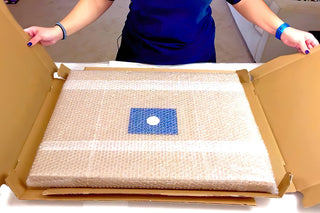
STEP 2 - SHIPPING
We ship your order. We send you an email to track the progress

STEP 3 - DELIVERY
You receive your order. You can also, according to your choice, be delivered to a relay point.
Matte finish
View from behind
Frame (optional)
Paul Cézanne's "Boy in a Red Vest" is a piece that transcends mere portraiture to become a true exploration of color and form. Created at the end of the 19th century, this work is emblematic of the transition between realism and Impressionism, marking a significant turning point in art history. Gazing at this piece, the viewer is immediately captivated by the presence of the young boy, whose direct gaze seems to invite a silent conversation. The vibrant red vest draws the eye, while the shades of blue and green surrounding it create a striking contrast, revealing Cézanne's mastery in the use of color.
Style and uniqueness of the work
Cézanne's style, often described as a bridge between classicism and modernity, is brilliantly manifested in "Boy in a Red Vest." The artist does not merely depict his subject realistically; he deconstructs it into geometric shapes, revealing a depth and dimension that transcend traditional portraiture. The brushstrokes, both delicate and assertive, bring life to the texture of the boy's skin and the richness of his vest's fabric. This unique treatment of volumes and colors allows the artwork to breathe, evoke emotions, while maintaining a certain analytical distance. Cézanne, through his approach, invites the viewer to reevaluate perceptions of reality, to see beyond the visible, and to explore the relationships between light, color, and form.
The artist and his influence
Paul Cézanne, considered one of the pioneers of modern art, profoundly influenced many artists who followed in his footsteps. His innovative approach to composition and color paved the way for movements such as Cubism and Expressionism. By breaking down objects into their fundamental shapes and playing with perspectives, he challenged the artistic conventions of his time. "Boy in a Red Vest" is a perfect example of this approach. The work not only reveals Cézanne's exceptional talent but also his desire to capture the very essence of his
12,34 €