
Botanical Cryptogamic Painting of the Antarctic Voyage of the HM Discovery Erebus and Terror Ships in the Years 1839 Pl05 - Walter Hood Fitch


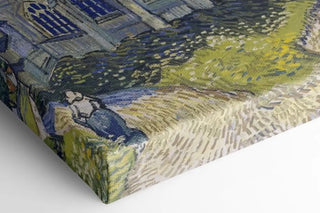
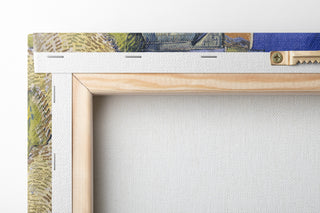
View from behind
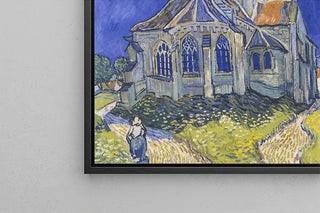
Frame (optional)
In the fascinating world of botanical art, Walter Hood Fitch's work stands out for its ability to capture the beauty and complexity of the plant world. The art print of the cryptogamic botanical reproduction from the voyage to Antarctica of the ships HM Discovery Erebus and Terror in the years 1839 Pl05 is a testament to a pivotal moment in the history of scientific exploration. Indeed, this piece is not limited to a simple visual representation; it evokes a daring journey into uncharted territories, where nature reveals its most intimate secrets. Fitch, through his art, offers a window into a world where botany and adventure meet, inviting the viewer to a complete immersion in the exploration of polar landscapes.
Style and uniqueness of the work
Fitch's style is characterized by meticulous precision and unparalleled attention to detail. Every plant, every leaf, every shade of color is rendered with such finesse that one could almost feel the texture of the depicted vegetation. The composition of this work is carefully orchestrated, with each element placed to create a visual harmony that draws the eye and stimulates the imagination. The colors, both vivid and delicate, evoke the freshness of Antarctic landscapes, while highlighting the diversity of botanical species encountered during the expedition. This marriage of scientific rigor and artistic aesthetics makes this piece an emblematic example of 19th-century botanical art, where science and art intertwine to celebrate the splendor of nature.
The artist and his influence
Walter Hood Fitch, botanist and illustrator, marked his era with his innovative approach to botanical illustration. Trained at the Royal College of Art in London, he managed to combine his love for nature with his artistic talent. His work was widely recognized and appreciated, both by scientists and art enthusiasts. Fitch collaborated with renowned botanists, contributing to the documentation of numerous plant species. His influence still endures today, inspiring many artists and scientists to continue the visual exploration of the
Botanical Cryptogamic Painting of the Antarctic Voyage of the HM Discovery Erebus and Terror Ships in the Years 1839 Pl05 - Walter Hood Fitch

-10% FROM €95 IN PURCHASES
-15% FROM €195 IN PURCHASES
Regular price
- Unit price
- per
Tax included.
Free shipping
€4.90 / Free shipping on orders over €39
Satisfied or Money Back
Free returns within 30 days
10-year warranty
Our prints are guaranteed for 10 years
Any questions? We are here!
by email to contact@artemlegrand.com
THE STEPS OF YOUR ORDER

STEP 1 - ORDER PLACED
Your order has been confirmed and we are starting production
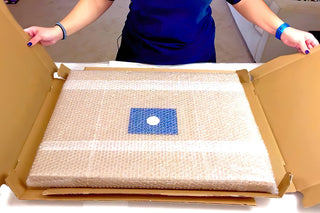
STEP 2 - SHIPPING
We ship your order. We send you an email to track the progress

STEP 3 - DELIVERY
You receive your order. You can also, according to your choice, be delivered to a relay point.
Matte finish
View from behind
Frame (optional)
In the fascinating world of botanical art, Walter Hood Fitch's work stands out for its ability to capture the beauty and complexity of the plant world. The art print of the cryptogamic botanical reproduction from the voyage to Antarctica of the ships HM Discovery Erebus and Terror in the years 1839 Pl05 is a testament to a pivotal moment in the history of scientific exploration. Indeed, this piece is not limited to a simple visual representation; it evokes a daring journey into uncharted territories, where nature reveals its most intimate secrets. Fitch, through his art, offers a window into a world where botany and adventure meet, inviting the viewer to a complete immersion in the exploration of polar landscapes.
Style and uniqueness of the work
Fitch's style is characterized by meticulous precision and unparalleled attention to detail. Every plant, every leaf, every shade of color is rendered with such finesse that one could almost feel the texture of the depicted vegetation. The composition of this work is carefully orchestrated, with each element placed to create a visual harmony that draws the eye and stimulates the imagination. The colors, both vivid and delicate, evoke the freshness of Antarctic landscapes, while highlighting the diversity of botanical species encountered during the expedition. This marriage of scientific rigor and artistic aesthetics makes this piece an emblematic example of 19th-century botanical art, where science and art intertwine to celebrate the splendor of nature.
The artist and his influence
Walter Hood Fitch, botanist and illustrator, marked his era with his innovative approach to botanical illustration. Trained at the Royal College of Art in London, he managed to combine his love for nature with his artistic talent. His work was widely recognized and appreciated, both by scientists and art enthusiasts. Fitch collaborated with renowned botanists, contributing to the documentation of numerous plant species. His influence still endures today, inspiring many artists and scientists to continue the visual exploration of the
12,34 €