
Painting Book on Toxic Plants Pl57 - Friedrich Berge | Art print


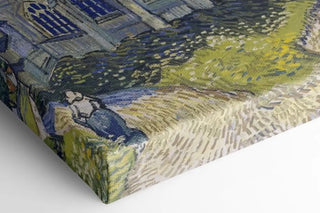
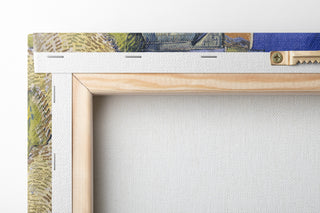
View from behind
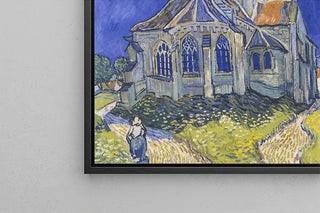
Frame (optional)
Art print Livre sur les plantes toxiques Pl57 - Friedrich Berge – Engaging introduction
In the vast panorama of botanical art, the piece titled "Livre sur les plantes toxiques Pl57" by Friedrich Berge stands out as a masterpiece, captivating viewers with its elegance and depth. This work, which belongs to a tradition where nature is both celebrated and cautioned, invites us to explore the fascinating universe of plants while reminding us of the dangers they may harbor. Through a palette of delicate colors and remarkable precision of execution, Berge manages to establish a dialogue between beauty and danger, thus inviting the viewer to reflect on the duality of nature.
Style and uniqueness of the work
Friedrich Berge's style is characterized by meticulous attention to detail and an almost scientific approach to botanical representation. In "Livre sur les plantes toxiques Pl57," each leaf, each petal is rendered with such precision that it seems possible to feel the texture and smell of the plants. Berge does not merely reproduce forms; he evokes the very essence of the flora, revealing their beauty while highlighting their toxic potential. The nuances of green, purple, and yellow intertwine to create an atmosphere that is both soothing and unsettling. This work, through its unique approach, transcends the simple scope of botanical illustration to become a true reflection on the coexistence of life and death in the plant kingdom.
The artist and his influence
Friedrich Berge, an emblematic figure of botanical art in the 19th century, knew how to mark his era with his innovative approach. Influenced by the scientific discoveries of his time and by Romantic aesthetics, he succeeded in merging art and science in his works. Berge was often inspired by travels and botanical explorations, which allowed him to discover rare and fascinating species. His attention to detail and passion for nature led him to create works that are not only visual representations but also testimonies of the richness and diversity of the plant world. By tackling themes such as plant toxicity, he paved the way for a deeper reflection on our relationship with nature and the dangers that
Painting Book on Toxic Plants Pl57 - Friedrich Berge | Art print

-10% FROM €95 IN PURCHASES
-15% FROM €195 IN PURCHASES
Regular price
- Unit price
- by
Free shipping
€4.90 / Free shipping on orders over €39
Satisfied or Money Back
Free returns within 30 days
10-year warranty
Our prints are guaranteed for 10 years
Any questions? We are here!
by email to contact@artemlegrand.com
THE STEPS OF YOUR ORDER

STEP 1 - ORDER PLACED
Your order has been confirmed and we are starting production
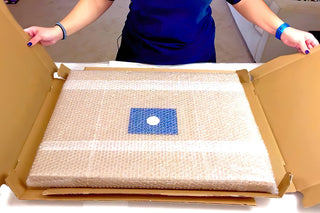
STEP 2 - SHIPPING
We ship your order. We send you an email to track the progress

STEP 3 - DELIVERY
You receive your order. You can also, according to your choice, be delivered to a relay point.
Matte finish
View from behind
Frame (optional)
Art print Livre sur les plantes toxiques Pl57 - Friedrich Berge – Engaging introduction
In the vast panorama of botanical art, the piece titled "Livre sur les plantes toxiques Pl57" by Friedrich Berge stands out as a masterpiece, captivating viewers with its elegance and depth. This work, which belongs to a tradition where nature is both celebrated and cautioned, invites us to explore the fascinating universe of plants while reminding us of the dangers they may harbor. Through a palette of delicate colors and remarkable precision of execution, Berge manages to establish a dialogue between beauty and danger, thus inviting the viewer to reflect on the duality of nature.
Style and uniqueness of the work
Friedrich Berge's style is characterized by meticulous attention to detail and an almost scientific approach to botanical representation. In "Livre sur les plantes toxiques Pl57," each leaf, each petal is rendered with such precision that it seems possible to feel the texture and smell of the plants. Berge does not merely reproduce forms; he evokes the very essence of the flora, revealing their beauty while highlighting their toxic potential. The nuances of green, purple, and yellow intertwine to create an atmosphere that is both soothing and unsettling. This work, through its unique approach, transcends the simple scope of botanical illustration to become a true reflection on the coexistence of life and death in the plant kingdom.
The artist and his influence
Friedrich Berge, an emblematic figure of botanical art in the 19th century, knew how to mark his era with his innovative approach. Influenced by the scientific discoveries of his time and by Romantic aesthetics, he succeeded in merging art and science in his works. Berge was often inspired by travels and botanical explorations, which allowed him to discover rare and fascinating species. His attention to detail and passion for nature led him to create works that are not only visual representations but also testimonies of the richness and diversity of the plant world. By tackling themes such as plant toxicity, he paved the way for a deeper reflection on our relationship with nature and the dangers that