
Painting L'Aveugle de Paris - Thomas Satterwhite Noble | Art print


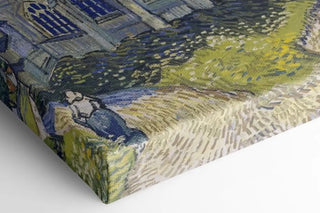
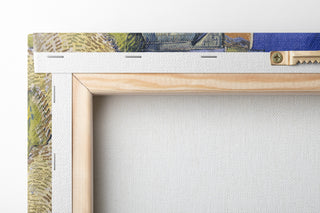
View from behind
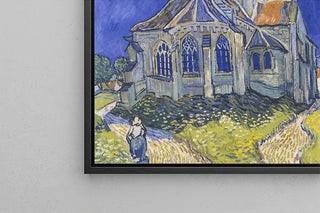
Frame (optional)
Reproduction L'Aveugle de Paris - Thomas Satterwhite Noble – Engaging introduction
In the captivating universe of art, some works transcend time and space, captivating the viewer's soul with their depth and emotion. "L'Aveugle de Paris" by Thomas Satterwhite Noble is one of those creations that, through its intensity and delicacy, invites meditative contemplation. This painting, which evokes the human condition through the lens of vulnerability, immerses us in a Paris that is both tangible and symbolic. The piece, with its poignant subject, reminds us of the beauty of simple moments and the strength of exchanged glances, even in the darkness of sightlessness.
Style and uniqueness of the work
Noble's work is distinguished by a subtle color palette and play of shadows that create an intimate atmosphere in the scene. The carefully orchestrated composition depicts a blind person in a Parisian street, a moment stolen from daily life. The meticulous details of faces, clothing, and surrounding elements testify to striking realism, while revealing a strong emotional dimension. The artist manages to capture the fragility of human existence, while paying tribute to the dignity of the characters he portrays. The passersby’s gazes, though blurred, are full of meaning, evoking compassion and curiosity. This contrast between the protagonist's blindness and the richness of the environment around him creates a narrative tension that fascinates and provokes thought.
The artist and his influence
Thomas Satterwhite Noble, an American artist of the 19th century, made his mark with works that combine realism and symbolism. Trained at the Académie des Beaux-Arts in Paris, he was influenced by European masters while developing a style that is uniquely his own. Noble often focuses on social themes, addressing the human condition with rare sensitivity. His commitment to marginalized subjects, such as the blind or the poor, demonstrates deep empathy and a desire to make the invisible visible. Through his painting, he invites the public to reflect on the society of his time, while touching on universal questions that re
Painting L'Aveugle de Paris - Thomas Satterwhite Noble | Art print

-10% FROM €95 IN PURCHASES
-15% FROM €195 IN PURCHASES
Regular price
- Unit price
- per
Tax included.
Free shipping
€4.90 / Free shipping on orders over €39
Satisfied or Money Back
Free returns within 30 days
10-year warranty
Our prints are guaranteed for 10 years
Any questions? We are here!
by email to contact@artemlegrand.com
THE STEPS OF YOUR ORDER

STEP 1 - ORDER PLACED
Your order has been confirmed and we are starting production
STEP 2 - SHIPPING
We ship your order. We send you an email to track the progress

STEP 3 - DELIVERY
You receive your order. You can also, according to your choice, be delivered to a relay point.
Matte finish
View from behind
Frame (optional)
Reproduction L'Aveugle de Paris - Thomas Satterwhite Noble – Engaging introduction
In the captivating universe of art, some works transcend time and space, captivating the viewer's soul with their depth and emotion. "L'Aveugle de Paris" by Thomas Satterwhite Noble is one of those creations that, through its intensity and delicacy, invites meditative contemplation. This painting, which evokes the human condition through the lens of vulnerability, immerses us in a Paris that is both tangible and symbolic. The piece, with its poignant subject, reminds us of the beauty of simple moments and the strength of exchanged glances, even in the darkness of sightlessness.
Style and uniqueness of the work
Noble's work is distinguished by a subtle color palette and play of shadows that create an intimate atmosphere in the scene. The carefully orchestrated composition depicts a blind person in a Parisian street, a moment stolen from daily life. The meticulous details of faces, clothing, and surrounding elements testify to striking realism, while revealing a strong emotional dimension. The artist manages to capture the fragility of human existence, while paying tribute to the dignity of the characters he portrays. The passersby’s gazes, though blurred, are full of meaning, evoking compassion and curiosity. This contrast between the protagonist's blindness and the richness of the environment around him creates a narrative tension that fascinates and provokes thought.
The artist and his influence
Thomas Satterwhite Noble, an American artist of the 19th century, made his mark with works that combine realism and symbolism. Trained at the Académie des Beaux-Arts in Paris, he was influenced by European masters while developing a style that is uniquely his own. Noble often focuses on social themes, addressing the human condition with rare sensitivity. His commitment to marginalized subjects, such as the blind or the poor, demonstrates deep empathy and a desire to make the invisible visible. Through his painting, he invites the public to reflect on the society of his time, while touching on universal questions that re
12,34 €